
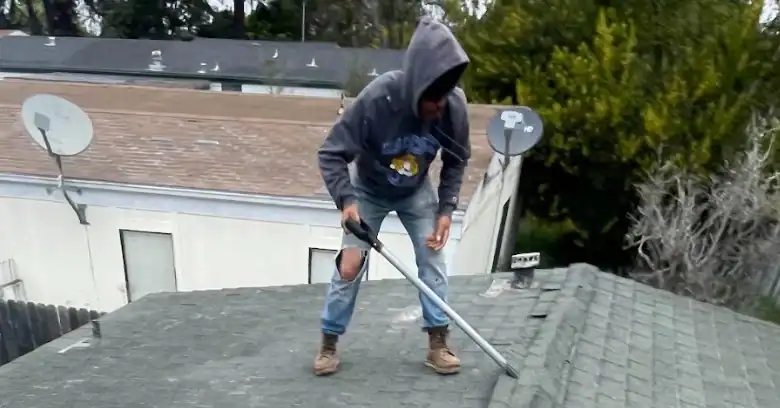
Thinking About Shingle Roofers for a Home in San Luis Obispo California?
Creative Roofing replaces worn shingle roofs and mends the ones that still have life left, throughout San Luis Obispo California and the neighboring communities.
Dial 805-723-2381 and ask about a shingle roof for your house.
What a Shingle Roof Is Made Of
Behind the familiar look is a layered construction, and the granules protect the asphalt from the sun. A shingle that has lost its granules is losing its sunscreen, so a handful of grit in a downspout tells a story.
How Shingle Lines Differ
A three-tab shingle has a flat, uniform look and the thinnest profile of any common type, and fewer new roofs use it today. Most new roofs on houses today use architectural shingles, which look richer and resist wind better, and the details are worth a closer look. The top of the range offers the richest textures and the greatest thickness, and the framing should be checked before choosing the heaviest types.
Why Sunny Slopes Age First
Months of direct sunshine take a toll that the eye picks up slowly, and the difference shows how much the sun contributes. Curling, cracking and blistering are the typical signs of a shingle that has had too much heat, and photographs make a useful record.
Color Choices for a Sunny Climate
A pale shade reflects more sunlight than a dark one, which can reduce heat entering the attic, and nearby roofs offer a useful preview. Reflective granules can bring a dark color closer to the performance of a light one, and the actual benefit depends on the house.
Installation Details That Decide Longevity
The number and position of nails are set by the manufacturer for a reason, so ask how many nails go into each shingle. Each course overlaps the one below so that water always sheds over a solid layer, and a straight line of shingles is a sign of care. The cap shingles on a ridge take extra abuse from sun and wind, and the ventilation opening below the cap should stay clear.
How Shingles Resist Wind
Heat from the sun is what finishes the job on a new roof, and checking for lifted tabs after a windy spell is a good habit. Wind rarely harms a well-sealed roof, but it finds every weak spot on an old one, and a roofer can reseal tabs with a dab of roofing cement.
Keeping the Attic Breathing
Airflow under the deck helps a shingle roof reach its full useful life, and ridge vents work well with soffit intake. Attic fans, gable vents and ridge vents each work differently and should not fight each other, and a roofer can assess the layout in a short visit.
Where Shingles Meet Everything Else
The shingles shed most of the water, but the underlayment handles the rest, and the choice affects how the roof performs. Chimneys, walls and skylights need step flashing and counterflashing worked into the shingle courses, and a little care goes a long way.
Signs of Wear and Choosing Repair or Replacement
A roof that sheds grit, lifts at the edges and shows dark patches is reaching the end of its life, and early action keeps choices open. Patching makes sense when the damage is limited and the shingles are otherwise healthy, and the key is an honest assessment. Replacement is the sensible answer once the field of shingles has lost its protective surface, so plan the project before the leaks begin.
The Deck Decides What Happens Next
Old shingles come off in sections and go straight into a bin, leaving a clean deck ready for the next step, and soft spots are cut out and replaced with new panels. Overlaying is a shortcut that a careful roofer will explain before agreeing to it, and the decision deserves a little thought. Since the extent of deck damage cannot be known until the old roof is off, a fair agreement sets a method for pricing the extra work, and the details are worth a closer look.
Debris, Magnets and Final Sweeps
Protecting the house is part of the work, not an extra, and the plan should say how landscaping and windows will be shielded, and the crew returns it to normal when finished. Final cleanup should leave the property as orderly as it was found, apart from the new roof, and the work is not finished until the cleanup is. A new shingle roof sheds a little loose grit in its first months, and some of it ends up in the gutters, and it pays to think it through.
Planning Around Rain and Heat
Shingle work goes best in dry, mild weather, when the sealing strips bond quickly and the crew can leave the roof open without worry, and the calendar is only part of the question. Shade, water and early starts are the usual ways of coping with the heat on a dark roof, and a rushed job in extreme heat is a poor bargain.
Coordinating With Other Trades
Each opening in a shingle roof needs flashing built in layers with the courses, and the work is easier when the roof is already open, and mention any plans to add more later. Solar panels bolted to a shingle roof have to be removed and reinstalled when the roof is replaced, so the two projects should be planned together, and get the plan in writing.
Why a Patch Rarely Matches Perfectly
Manufacturers change colors and blends over time, so an exact match for a discontinued shingle may simply not exist anymore, and place the repair where it is least visible.
Where Shingles End and Gutters Begin
A drip edge along the eave and the rake guides water into the gutter and keeps it from running behind the fascia, where it would rot the wood, and a little care goes a long way.
Questions for a Shingle Roofer
The written scope should list tear-off, deck repair, ventilation and cleanup, and the details are worth a closer look. A roofer who explains the process clearly is usually one who follows it, and the answers are worth writing down.
Tell Us What You Are Thinking
Those comparing Shingle Roofers in San Luis Obispo California can reach us by phone, and 805-723-2381 reaches someone who can help. There is no pressure in asking about a new roof, and the roof will tell the story once someone looks.
Verified

Verified
Verified
Verified
Verified






















