Considering Tile Roofing Serving San Luis Obispo California?
Creative Roofing knows how to walk a fragile surface, find the broken piece and replace it cleanly, across San Luis Obispo California and nearby.
Call 805-723-2381 and ask about the roof over your house.
Clay and Concrete Units in Plain Terms
Fired clay and molded concrete are the two materials used for the heavy, durable coverings found across the region, so the layers below matter more than most people expect. Concrete units are molded from cement and sand and colored through the body or on the surface, so samples help with the choice.
Structure First, Style Second
The framing is the foundation of any heavy roof, and a sagging ridge is a sign of trouble. Replacing a lighter covering with a heavier one without checking the structure is a serious mistake, and a careful contractor raises the issue unprompted.
What Sits Beneath the Pieces
Many leaks on roofs of this kind begin with a failed underlayment, not with the pieces on top, and it ages in the heat trapped under the pieces. Modern synthetic and self-adhering underlayments last longer under high temperatures, and that is why age matters as much as appearance.
Dry Climate, Durable Roof
Clay and concrete handle strong sun far better than lighter coverings, which is a large part of their appeal here, and the color stays true for decades. A gentle wash and a clear sealer can refresh the appearance of an older roof, and it fades or washes off with time.
Why Pieces Break
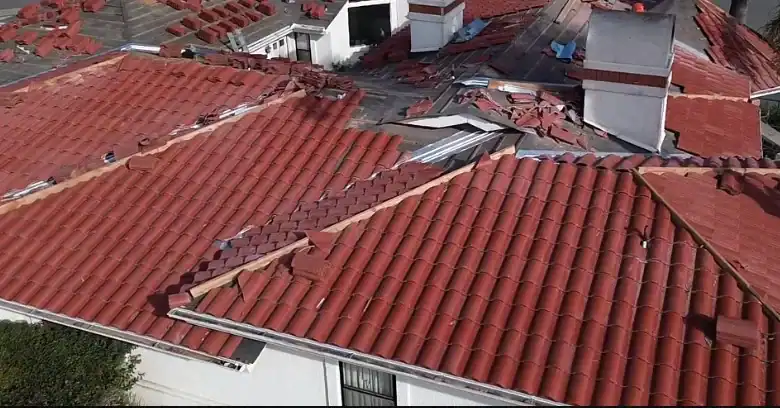
A cracked unit lets water reach the underlayment, which is meant for backup rather than constant exposure, and waiting makes the repair more expensive. Asking other trades to avoid walking on the roof prevents a lot of broken pieces, and the cost of a few replacements is small.
Edges and Intersections
Valleys carry the most water on a roof, and the metal channel beneath the pieces must be sound, and that is worth keeping in mind. Dry-set ridge systems replace mortar with clips and are easier to maintain, and the repair is far less costly than water damage.
Wind, Fire and the Fastening Question
Though heavy, individual pieces must be fastened properly or they can slide or lift in strong gusts, and edges and ridges deserve the most attention. A tight installation with proper closures resists embers better than a loose one, and the details are worth a closer look.
Matching the Work to the Condition
A re-lay means lifting the units, replacing the underlayment and flashing, and setting the pieces back in place, so ask for an assessment of the underlayment. Replacing the whole roof is the right call when the pieces themselves are failing, the framing is damaged or the style no longer suits the house, and a good roofer will lay them out plainly.
Mortar, Foam and Dry-Set Methods
Cement bedding has been the traditional method for capping a ridge, but it is rigid and breaks as the roof flexes with temperature, and be wary of mortar alone on a ridge. Replacing these strips during a re-lay is inexpensive, and it improves both fire resistance and cleanliness, so these small parts deserve attention.
Dirt, Lichen and Cosmetic Wear
Surface growth tends to be slower in dry summers, though shaded areas may still collect some, so consider it before deciding to replace. A professional cleaner will explain the method and protect the plants and walls below, so combine the two visits.
A Better Base for a Long-Lived Roof
High-temperature rated products suit the hot conditions found beneath dark units on a sunny slope, and a thoughtful answer is a good sign. A sticky rubberized sheet seals around fasteners and clings to the deck, providing waterproofing even if the surface layer is breached, and it adds only modestly to the cost.
Planning Equipment Around the Units
Special hooks and flashing kits exist for these roofs, and an installer who uses them keeps the surface watertight, and a little care goes a long way. Every person who climbs onto a roof of this kind risks cracking something, so access should be limited to those who know how to walk it, so make it a habit to ask about the roof. Metal valley liners should be inspected for rust, pinholes and loose edges, since they carry more water than any other part of the roof, so make valleys the first stop on any check.
How the Two Kinds Differ
Between the two, concrete is usually the more economical, while clay is prized for its authentic look and its long record of service, so ask to see samples of both. Profiles vary from the rounded barrel shape seen on Spanish and Mediterranean homes to flat slabs and interlocking designs that look like slate or shake, and it pays to think it through.
What Should Be Written Down
The best contractors put the specifics in writing, and the details are what you are really buying. A roofer who has re-laid many roofs knows the pitfalls and can describe them without hesitation, and trust the tone of the conversation.
Planning a Re-Lay Step by Step
Pieces are removed row by row from the top down, and the crew takes care to avoid cracking more units than the roof already has, and the result is a roof that looks as it did and performs like new.
Preparing for Dry Winds and Embers
Before the dry season peaks, a quick walk around the house with binoculars can show broken units, loose ridge pieces and debris piled in the valleys, so make it part of the late-summer routine.
Keeping Track of a Long-Lived Roof
Photographs taken during the work show what lies under the units, which is a view that nobody sees again for decades, and a clear record makes repairs simpler.
Ready to Look at Options
Homeowners weighing Tile Roofing in San Luis Obispo California can begin by describing the house and the roof they have, and the number is 805-723-2381. Even a quick call can clear up questions about underlayment, repairs and timing, and we are glad to help you sort it out.
Verified

Verified
Verified
Verified