Considering Tile Roof Services in San Luis Obispo California?
Creative Roofing works with clay and concrete roofing units, from a single cracked piece to a full re-lay, for homes in San Luis Obispo California and the towns around it.
Reach us at 805-723-2381 to talk through what a tile roof needs.
How These Roofs Are Put Together
Clay and concrete units are individual pieces hung on a roof, overlapping like fish scales to shed water, and the real waterproofing sits underneath. Each type comes in profiles from rounded barrels to flat slabs and interlocking shapes, and the look varies enormously.
Checking the Rafters Before Choosing
Heavy coverings put real stress on rafters, trusses and walls, which is why the structure is checked first, and it should happen before materials are ordered. A house that was built for shingles may not be safe under a full load of concrete, and a careful contractor raises the issue unprompted.
The Hidden Layer That Does the Work
Beneath the visible surface lies a waterproof membrane that does the hard work, and a membrane that has dried out is a common reason for leaks. The felt paper on older roofs becomes brittle and breaks when the pieces are lifted, and that is worth keeping in mind.
Sun, Heat and Dry Summers
The heavy mass of the pieces absorbs heat during the day and releases it slowly at night, and it pays to think it through. Cosmetic wear is common and does not usually affect performance, so ask before assuming the roof is failing.
Finding Damaged Units
A piece cracks when someone steps on the wrong spot, and many are broken by workers on the roof for other reasons, so a close inspection from the roof is the only reliable method. A short inspection after any work on the roof catches damage early, so ask for a check after other work is done.
Edges and Intersections
Valleys carry the most water on a roof, and the metal channel beneath the pieces must be sound, and a hurried job shows up in the first heavy rain. Dry-set ridge systems replace mortar with clips and are easier to maintain, and it pays to think it through.
How Units Are Secured
Nails, clips and foam adhesive are the common ways to secure units to the roof, and the attachment method should be in the proposal. Embers do not ignite the pieces, though they can still collect in gaps and under the edges, and clean valleys are important.
Deciding What an Aging Roof Needs
Many of these roofs are restored two or three times over the life of the building, and the savings from a re-lay can be considerable. Replacing the whole roof is the right call when the pieces themselves are failing, the framing is damaged or the style no longer suits the house, and the structure should be reviewed first.
Mortar, Foam and Dry-Set Methods
Older roofs of this kind used mortar to bed the ridge and hip pieces and to seal the edges, and that mortar eventually cracks and crumbles, and the method should be named in the proposal. Eave closures and bird stops fill the gap beneath the lowest course, keeping out birds, rodents, leaves and windblown embers, and a little care goes a long way.
Moss, Stains and Keeping the Surface Clean
Surface growth tends to be slower in dry summers, though shaded areas may still collect some, and a clean roof looks years younger. Pressure washers can strip the coating from concrete units and force water under the overlaps, so they are best avoided or used with great care, and a post-cleaning inspection is a good idea.
Specifying the Hidden Layer
Choosing a durable underlayment is one of the best investments in a long-lived roof, since it is the layer that has to outlast the rest, so ask which product is specified. Battens that lift the units off the underlayment allow air to circulate and water to drain freely beneath the pieces, and it adds only modestly to the cost.
Planning Equipment Around the Units
The best time to add rooftop equipment is when the roof is being re-laid, because the openings can be built in properly, and the decision deserves some planning. A roofer can place a few walkway planks or marked steps to protect the routes that others will use, so make it a habit to ask about the roof. A valley that is clogged with leaves and needles can send water sideways under the units, which they are not designed to handle, and a small repair now prevents a leak later.
Weighing Clay Against Concrete
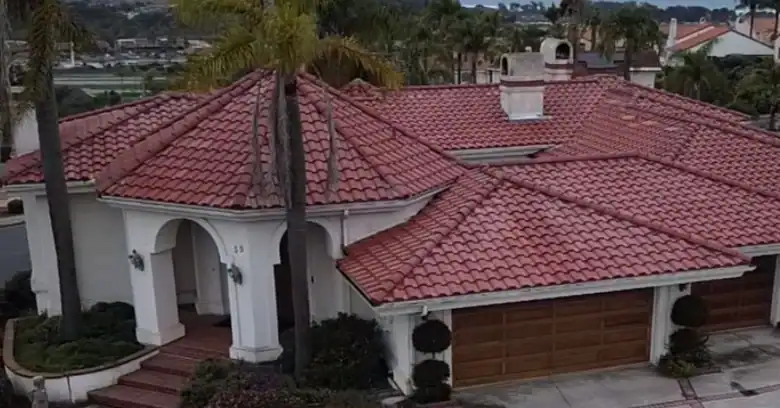
Natural clay generally keeps its color for a very long time, while a coated concrete surface can fade or chalk and may need refreshing, and that is worth keeping in mind. Profiles vary from the rounded barrel shape seen on Spanish and Mediterranean homes to flat slabs and interlocking designs that look like slate or shake, and it pays to think it through.
Questions Worth Asking
The best contractors put the specifics in writing, and compare two bids line by line. Find out whether the crew has experience on heavy roofs and can show examples of finished work, so do not hesitate to ask.
Stages of a Careful Re-Lay
A re-lay begins with the units being lifted in sections, stacked carefully and sorted so that sound pieces are kept and broken ones are set aside for replacement, and the whole process takes patience.
Seasonal Readiness for a Tile Roof
Before the dry season peaks, a quick walk around the house with binoculars can show broken units, loose ridge pieces and debris piled in the valleys, and a roofer can check them quickly.
Keeping Track of a Long-Lived Roof
A small stack of leftover pieces from the original job is worth more than almost any other record, since replacements are rarely identical, and a clear record makes repairs simpler.
Talk to Us About Your Roof
Homeowners weighing Tile Roof Services in San Luis Obispo California can begin by describing the house and the roof they have, and 805-723-2381 reaches someone who can help. There is no pressure in asking about your roof, and we are glad to help you sort it out.
Verified

Verified
Verified
Verified
Verified