
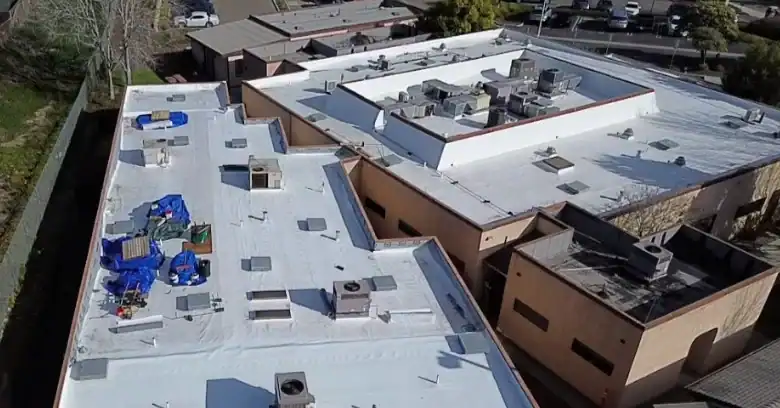
Looking Into TPO Membrane Roofs in San Luis Obispo California?
Creative Roofing deals with flat and low-slope roofs on houses, additions, garages and small buildings, for properties in San Luis Obispo California and the towns around it.
Reach us at 805-723-2381 and we will explain the options for a level roof.
The Challenge of a Level Surface
Where a pitched roof sheds rain in seconds, a level roof holds it for hours or days, and drainage is the central question. A pinhole in a membrane or a gap in a seam lets in water that sits and keeps seeping, so it pays to hire people who work on flat roofs regularly.
What Goes on a Low-Slope Roof
TPO and PVC are single-ply sheets that are welded at the seams with hot air, creating a continuous waterproof surface, and repairs are made by welding on a patch. The big rolls of rubber cover large areas with few seams, and the seam tape is a point to watch over time. Modified bitumen sheets are rolled out and torched or adhered in overlapping courses for a durable surface, and it is easy to overlook.
Seams, Corners and Terminations
Seams, corners, edges and penetrations are where problems begin on a low-slope surface, and shortcuts miss the trouble. Parapet caps and copings protect the top of the wall and must be sound, and it pays to think it through.
When Water Will Not Leave
A roof that holds puddles is telling you about a low spot or a blocked drain, and the first storm of the season shows the problems. A new roof is the best time to correct drainage problems for good, and a roofer can map the low areas.
Cool Roof Coatings and Light Membranes
Heat makes a membrane expand during the day and shrink at night, so the surface slowly dries and cracks. Silicone, acrylic and elastomeric coatings are the main families used on flat roofs, so cleaning and repair come first.
Vents, Pipes and Rooftop Units
These openings are the most common leak sources, so they get the most attention in an inspection, and replacing a worn collar is a quick job. A roof used as a patio or deck needs a protective layer or pavers, and avoid storing items on the roof.
Options for an Aging Flat Roof
Localized seams, flashings and punctures can be fixed without touching the rest of the roof, so ask to see where the water is getting in. A restoration coat is a good choice for a roof that is dry beneath and sound in the field, and an honest answer starts with a survey. When the roof is saturated, cracked and failing in many places, replacement is the only lasting answer, and ask about drainage improvements in particular.
Patios, Garages and Modern Homes
Residential low-slope roofs turn up over additions, covered patios, carports and contemporary houses designed with clean horizontal lines, so ask whether the company handles low-slope work regularly. Leaks that appear in the room next to an addition often trace back to this single joint, and fixing it properly takes some patience. A deck surface over a roof has to be lifted to repair the layer beneath, which makes prevention far cheaper than correction, and the details are worth a closer look.
Heat Gain and Thermal Layers
A flat roof has little or no attic, so the layers of the roof itself have to do the work that attic insulation and ventilation do on a pitched house, and it is easy to overlook. Cutting a small test square is another way to check, and it is sealed again as part of the same visit, and be skeptical of a bid that skips it.
Before the Rains and After the Storms
A check in early autumn catches clogged drains, lifted seams and cracked sealant before the first storm tests them, and a small repair now is nearly always cheaper. Standing water that remains for days after rain is worth reporting, even if no leak has appeared yet, and cover furniture beneath a drip.
Securing the Roof Against the Wind
Gusts lift a flat roof from its edges and corners, where the pressure is highest, and a membrane that is not firmly attached there can peel back like the lid of a can, and repairs should not wait for the next storm. Raking the gravel back into an even layer is a routine job that keeps the protection continuous, and replace what has blown away. The more complicated the roof, the more a clear written scope matters, since each detail represents a possible source of dispute, and write everything down.
Everything That Breaks the Surface
Skylights and roof hatches sit on raised curbs that are flashed into the membrane, and the quality of that flashing decides whether they leak, and loose sealant around a frame is a warning sign. Plumbing vents, conduits and exhaust ducts pass through the membrane and need boots, collars or pitch pockets that suit the material, so ask about consolidating them. Keeping every outlet clear and in good repair is the most important single habit of flat roof care, and a little care goes a long way.
Questions for a Flat Roof Contractor
A bid that only says new flat roof does not tell you what you are buying, so ask for the details in writing. Ask how the crew will test the seams, how the old roof will be disposed of and how the interior will be protected, and it is easy to overlook.
What to Expect on the Days of the Work
Most flat roof jobs on a house or small building take only a few days, though adhesives and torch work call for dry weather and some advance planning, and tell the crew about pets and schedules.
Common Worries Before a Flat Roof Project
Plenty of owners assume a membrane has to be replaced at the first sign of wear, when a repair or a coating would have done the job, and an honest opinion is the goal.
Talk to Us About Your Flat Roof
Anyone sorting out TPO Membrane Roofs in San Luis Obispo California is one call away from a straight answer, and 805-723-2381 reaches someone who can help. Whether the roof is leaking now or you are planning ahead, an early conversation keeps your options open, and the roof will tell the story once someone looks.
Verified

Verified
Verified
Verified
Verified






















