
Choosing Architectural Shingle Roofing Serving Santa Barbara California?
Creative Roofing handles shingle roofing from the first nail to the last ridge cap, serving homeowners in Santa Barbara California and beyond.
Phone 805-723-2381 to talk through shingle styles and what suits the home.
The Anatomy of an Asphalt Shingle
Most roofs on houses here wear shingles built from a glass-fiber core with an asphalt skin, and each part has a job to do. Stone granules reflect part of the sun and keep the asphalt from baking, and bare patches show up as dark spots.
Basic, Laminated and Premium
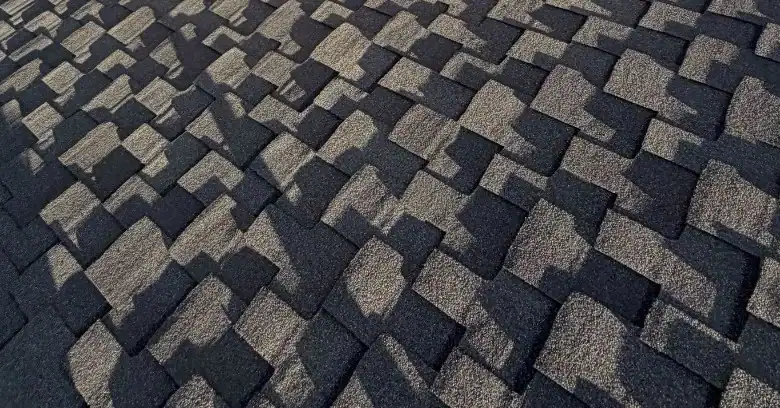
Flat shingles of this style are economical but wear out sooner than thicker kinds, and the saving is real but so is the shorter life. Architectural shingles are made of two or more laminated layers that give the roof depth and shadow, and the thicker body stands up better to sun. Premium and luxury lines go further, with thicker laminates, deeper shadow lines and designer shapes, so the roof feels more substantial.
Heat Is the Slow Enemy
Hot weather and strong sun dry the oils in asphalt, leaving the surface stiff and brittle, so those slopes make a useful gauge of overall condition. Cracks across the face open the way for water to reach the layers below, and it pays to think it through.
Light Versus Dark
A pale shade reflects more sunlight than a dark one, which can reduce heat entering the attic, and a sample held up outdoors shows the shade truthfully. A reflective product can ease the burden on air conditioning, and the difference is most noticeable in the hottest months.
The Craft Behind a Good Install
Fastening is the quiet detail that separates a durable roof from a poor one, so ask how many nails go into each shingle. Offsetting the seams from row to row keeps leaks from lining up, and crooked rows are a warning. The cap shingles on a ridge take extra abuse from sun and wind, and the ventilation opening below the cap should stay clear.
Seal Strips and Warm Weather
A shingle that never sealed can lift and flap in a gust, and checking for lifted tabs after a windy spell is a good habit. Strong seasonal winds can lift tabs that have lost their seal and tear them off the roof, and a pattern of lifting suggests the roof is aging.
Keeping the Attic Breathing
A balanced system of intake and exhaust keeps the temperature under the roof closer to the air outside, and it is easy to overlook. More vents is not better, and mixing types can short-circuit the flow, and avoid anyone who ignores the question.
The Details Beneath and Beside the Field
The shingles shed most of the water, but the underlayment handles the rest, and the choice affects how the roof performs. Valleys are the crossing channels where two slopes meet, and they carry the most water on the roof, and replacing flashing during a re-roof is standard practice.
When a Shingle Roof Is Telling You Something
Several signs together point to a roof that needs more than a patch, so take the whole picture into account. Patching makes sense when the damage is limited and the shingles are otherwise healthy, and the key is an honest assessment. A roof that is worn out everywhere will keep leaking in new places however many patches it gets, and a full replacement gives a fresh start.
The Deck Decides What Happens Next
Down to bare wood is how a careful crew starts, because new shingles are only as sound as the surface they are nailed to, so the plan should allow for repairs to the wood. A roof-over saves effort in the short run, yet it prevents any look at what the old roof has been hiding, and the decision deserves a little thought. Since the extent of deck damage cannot be known until the old roof is off, a fair agreement sets a method for pricing the extra work, and good communication keeps everyone calm.
Keeping the Yard Safe During a Shingle Job
Protecting the house is part of the work, not an extra, and the plan should say how landscaping and windows will be shielded, and it is easy to overlook. Nails are the main hazard left behind after any roofing job, and a magnetic sweep of the yard and driveway is standard practice, so walk the yard with the foreman at the end. Letting grit and leaves pile up in a gutter can lead to overflow along the fascia and the foundation, and a clear gutter is cheap protection.
Timing a Shingle Replacement
Asphalt shingles seal themselves down with heat from the sun, so warm, dry days produce the best bond and the neatest finish, and flexibility makes scheduling easier. On a scorching day the surface of a roof becomes too hot to handle, and the asphalt softens enough to mark if walked on carelessly, and the details are worth a closer look.
Working Around Things That Share the Roof
Openings in a roof have a real effect on the quality and cost of a shingle project, and mention any plans to add more later. Ideally the roof is renewed before panels are installed, so that the new system is not removed again within a few seasons, and a little planning saves a lot of expense.
Blending New Shingles Into an Older Roof
Some visual difference is normal after a repair, and it fades as the new pieces weather, so ask the roofer what to expect.
Where Shingles End and Gutters Begin
Shingles should overhang the drip edge by a small, consistent amount so that water drops cleanly into the gutter instead of curling back under, and a little care goes a long way.
Comparing Shingle Roofing Proposals
The written scope should list tear-off, deck repair, ventilation and cleanup, and a thorough contractor will be happy to explain. Find out how the crew will protect the house and landscaping during the work, and it is easy to overlook.
Next Steps for Your Roof
Anyone sorting out Architectural Shingle Roofing in Santa Barbara California is one call away from a straight answer, and 805-723-2381 reaches someone who can help. Whether the roof is leaking now or you are planning ahead, an early conversation keeps your options open, and the first step is just a phone call.
Verified

Verified
Verified
Verified
Verified






















