
Weighing Built Up Roofing Services Near Santa Barbara California?
Creative Roofing installs membranes, coatings and built-up layers on roofs that barely shed water on their own, serving owners in Santa Barbara California and beyond.
Call 805-723-2381 and we will explain the options for a level roof.
The Challenge of a Level Surface
Where a pitched roof sheds rain in seconds, a level roof holds it for hours or days, and drainage is the central question. Because water stays on the surface, small flaws that a pitched roof would forgive become leaks on a flat one, and ask what systems they install most.
What Goes on a Low-Slope Roof
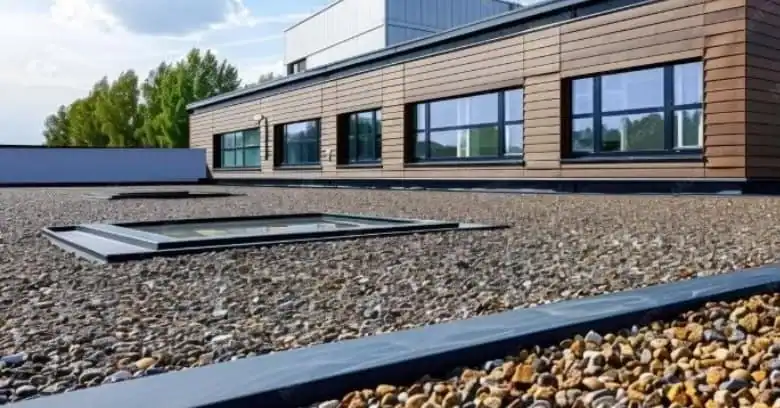
The seams on thermoplastic sheets are fused rather than glued, which makes them strong, so a damaged area can be fixed cleanly. Rubber membranes are black or white, and the seams are joined with tapes or adhesives, so periodic inspections are wise. Gravel surfacing on a built-up roof protects the layers from sun and foot traffic, and the gravel hides the condition of the membrane.
The Weak Points of a Level Roof
Seams, corners, edges and penetrations are where problems begin on a low-slope surface, and the field is checked last. Parapet caps and copings protect the top of the wall and must be sound, so look at those joints every year.
When Water Will Not Leave
Puddles that remain a day or two after rain signal that water is not leaving the roof as it should, and clear leaves and debris from scuppers. A new roof is the best time to correct drainage problems for good, and it extends the life of the whole system.
Sunshine, Heat and Aging
Long dry summers expose the membrane to intense light for months without a break, and it is easy to overlook. A coating adds a protective layer and can seal small cracks and seams, and a coating cannot rescue a roof that is wet inside.
Protecting the Surface From Wear
Boots, pitch pockets and flashing collars around pipes must be sound and sealed, and the sealant at each one ages in the sun. Walkway pads cost little and save the membrane from scuffing and punctures, and a quick look after any service visit catches new damage.
Choosing How Far to Go
Repairing a small area is practical when the surrounding material is still healthy, and the key is an accurate diagnosis. When the surface is simply worn, a coating or an overlay can refresh it without a full tear-off, so be cautious of any bid that skips the testing. When the roof is saturated, cracked and failing in many places, replacement is the only lasting answer, and it should be planned rather than rushed.
Level Roofs at Home
Many homes combine a pitched main roof with flat sections at the back or the sides, and the two meet in a joint that needs careful flashing, and the repair needs a roofer who works with membranes. A low roof meeting a taller wall is among the most leak-prone details on a house, and it deserves close attention, and a little care goes a long way. Roof decks and patios built over living space need a waterproofing layer under the finished surface, and a failure there can be expensive to reach, and the details should be planned with the whole project.
Keeping Rooms Cool Below a Flat Surface
A flat roof has little or no attic, so the layers of the roof itself have to do the work that attic insulation and ventilation do on a pitched house, and a light-colored membrane adds to the benefit. Water that gets into the insulation layer spreads sideways, so the damp area can be much larger than the visible stain on the ceiling, and be skeptical of a bid that skips it.
Keeping a Flat Roof in Shape Through the Year
Drains, scuppers and gutters should be cleared first, since blocked outlets cause more damage than any other single fault, and call a roofer if anything looks suspicious. Branches, loose objects and windblown trash can cut a membrane or block a drain, and they should be removed promptly, and cover furniture beneath a drip.
Edges Take the Brunt
Seasonal gusts pull hardest at the perimeter of a low-slope roof, so the fastening pattern is tighter along the edges than in the middle of the field, so ask how the edges will be attached. Raking the gravel back into an even layer is a routine job that keeps the protection continuous, so inspect the outlets after any disturbance. Surprises about extra details are the most common cause of disagreement over flat roof bids, and write everything down.
Roof Penetrations, Skylights and Hatches
Replacing a worn skylight and its curb flashing together with the roof is far cheaper than doing the two jobs separately, and loose sealant around a frame is a warning sign. Gathering the pipes and conduits into fewer penetrations reduces the number of places where leaks can begin, and every opening is one more detail to watch. A drain bowl that is sealed to the membrane with a clamping ring and sealant keeps water from creeping under the sheet at the outlet, and a blocked outlet loads a roof beyond its design.
Questions for a Flat Roof Contractor
The written scope should list the flashing details, the edge metal and the drainage work, and it lets you compare two bids fairly. A roofer with plenty of flat roof experience can explain problems before they occur, and trust the overall impression.
What to Expect on the Days of the Work
Workers on a low-slope roof often arrive early, because the surface heats up quickly and some products behave better in the cool of the morning, so ask how the schedule will work.
Common Worries Before a Flat Roof Project
Plenty of owners assume a membrane has to be replaced at the first sign of wear, when a repair or a coating would have done the job, so do not hesitate to ask.
Start the Conversation
People researching Built Up Roofing Services in Santa Barbara California are welcome to call with questions, so dial 805-723-2381 when it suits you. Even a quick call can clear up questions about membranes, coatings and timing, and we are glad to help you sort it out.
Verified

Verified
Verified
Verified
Verified






















