Researching Clay Tile Roofers in Santa Barbara California?
Creative Roofing keeps barrel, flat and interlocking roofs weathertight from the deck up, serving homeowners in Santa Barbara California and beyond.
Ring 805-723-2381 and ask about the roof over your house.
Basics of a Roof Built From Individual Pieces
A roof of this kind is a layered system in which each piece overlaps the next and the structure beneath does the waterproofing, so the layers below matter more than most people expect. Concrete units are molded from cement and sand and colored through the body or on the surface, so samples help with the choice.
Structure First, Style Second
The weight of the roof is the first question to settle before changing from lighter material, so a visual check is where the process begins. Even a roof originally built for heavy units can lose strength over time if water has damaged the wood, and the cost of that work belongs in the plan.
Why Leaks Start Below the Surface
The units shed most of the rain, but the underlayment beneath is the layer that actually keeps the house dry, and a membrane that has dried out is a common reason for leaks. A roof can look perfect from the street and be failing underneath, and high-temperature types are worth the small extra cost.
How Heat Behaves Under the Pieces
Air circulating under the curved shapes helps keep the house cooler in summer, and the weight helps with wind as well. A gentle wash and a clear sealer can refresh the appearance of an older roof, and surface cleaning is far cheaper than replacement.
Why Pieces Break
A piece cracks when someone steps on the wrong spot, and many are broken by workers on the roof for other reasons, and waiting makes the repair more expensive. A short inspection after any work on the roof catches damage early, and a good roofer will always carry a supply.
Where Pieces Meet Walls and Each Other
Flashing along walls, chimneys and skylights has to be formed and shaped by hand around each piece, and that is worth keeping in mind. Dry-set ridge systems replace mortar with clips and are easier to maintain, and the repair is far less costly than water damage.
Seasonal Gusts and Embers
Though heavy, individual pieces must be fastened properly or they can slide or lift in strong gusts, and local rules in windy areas may require specific fastening. A tight installation with proper closures resists embers better than a loose one, and the details are worth a closer look.
Deciding What an Aging Roof Needs
The pieces on an old roof may be fine for many more seasons even when the underlayment has given out, and it is easy to overlook. A full replacement is a bigger project, but it resets the clock on the entire roof, and that is worth keeping in mind.
Holding the Pieces Together
Modern installations often replace mortar with clips, screws or flexible adhesive that tolerate movement without failing, and it pays to think it through. Gaps at the ridge need the same attention, since embers and animals will find any opening, and a little care goes a long way.
Dirt, Lichen and Cosmetic Wear
Surface growth tends to be slower in dry summers, though shaded areas may still collect some, so consider it before deciding to replace. High pressure is the wrong tool for a roof made of individual pieces, because the water is driven uphill under the laps, and a post-cleaning inspection is a good idea.
Felt, Synthetic and Self-Adhering Options
Choosing a durable underlayment is one of the best investments in a long-lived roof, since it is the layer that has to outlast the rest, and a thoughtful answer is a good sign. Battens that lift the units off the underlayment allow air to circulate and water to drain freely beneath the pieces, and it pays to think it through.
Penetrations Through Fragile Surfaces
Special hooks and flashing kits exist for these roofs, and an installer who uses them keeps the surface watertight, and ask who is responsible for the seals. Every person who climbs onto a roof of this kind risks cracking something, so access should be limited to those who know how to walk it, and a short sign near the hatch helps. Clearing debris from valleys before the rainy season is the simplest way to protect the underlayment beneath them, and it is easy to overlook.
Picking the Right Unit for the House
Cast from cement and sand, concrete units take their color from pigment in the mix or from a coating applied to the surface, and the difference shows up in the details. Samples of full-size pieces on a roof model show more than a catalog photograph ever can, and it pays to think it through.
How to Weigh Two Bids
The written scope should say whether the existing units will be reused and who will supply replacements, so ask for them before signing. Ask how the structure will be checked and what happens if damage is found, and the details are worth a closer look.
Stages of a Careful Re-Lay
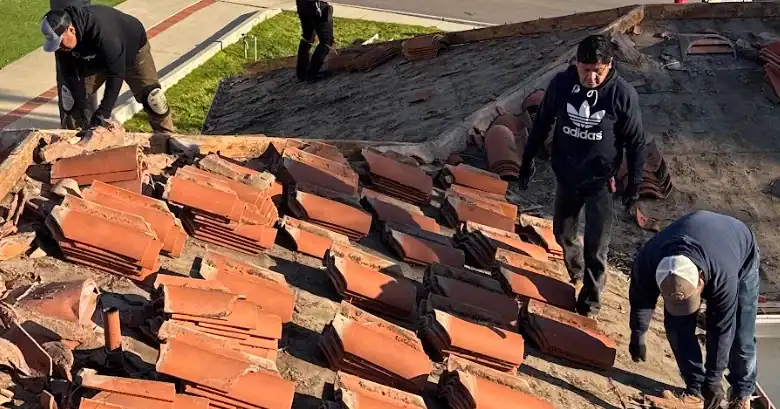
Work in stages keeps the house covered at the end of every day, so that a sudden rain does not find an open roof, and the crew has to be careful with every piece.
What to Do Before Summer Ends
Clearing leaves and needles from valleys, gutters and the back of chimneys removes fuel that could ignite from a flying ember, and a tidy roof is a safer roof.
Records, Photographs and Spare Pieces
A small stack of leftover pieces from the original job is worth more than almost any other record, since replacements are rarely identical, and store them with the house papers.
Talk to Us About Your Roof
A conversation about Clay Tile Roofers in Santa Barbara California usually starts with the age and condition of the roof, so dial 805-723-2381 when it suits you. There is no pressure in asking about your roof, and we are glad to help you sort it out.
Verified

Verified
Verified
Verified