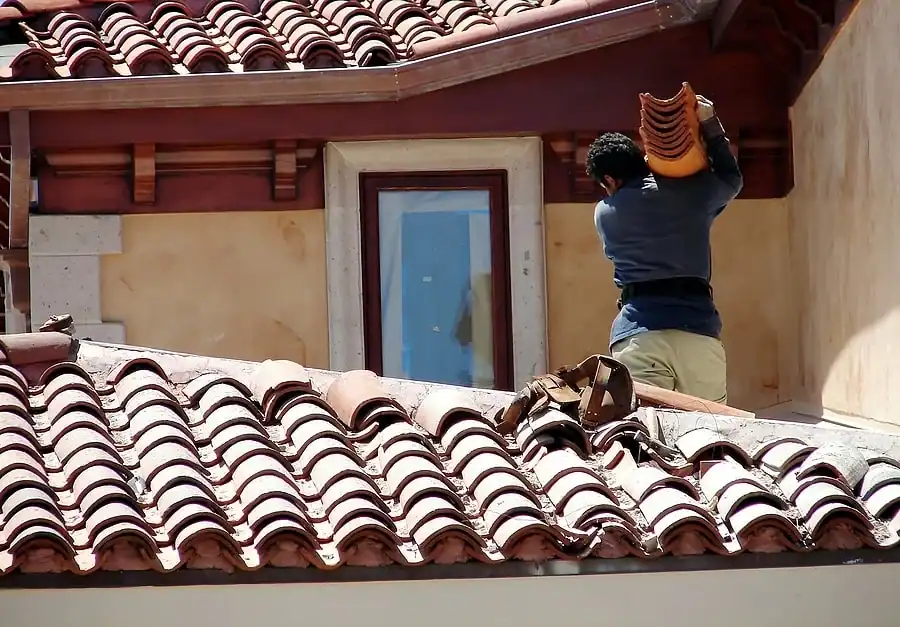
Researching Concrete Tile Roofer Services Around Santa Barbara California?
Creative Roofing keeps barrel, flat and interlocking roofs weathertight from the deck up, serving homeowners in Santa Barbara California and beyond.
Phone 805-723-2381 to talk through what a tile roof needs.
What Makes a Roof Out of Fired Clay or Molded Concrete Different
Every piece is shaped to channel water downhill and over the piece below, and that is worth keeping in mind. Concrete units are molded from cement and sand and colored through the body or on the surface, and the style often follows the architecture of the house.
Load and Support
The weight of the roof is the first question to settle before changing from lighter material, and an engineer may be involved in a conversion. Even a roof originally built for heavy units can lose strength over time if water has damaged the wood, and the details are worth a closer look.
Why Leaks Start Below the Surface
The units shed most of the rain, but the underlayment beneath is the layer that actually keeps the house dry, and it ages in the heat trapped under the pieces. Sun and heat trapped under the units bake the underlayment for years, until it dries, cracks and fails, and that is why age matters as much as appearance.
Why Tile Suits Hot Weather
Clay and concrete handle strong sun far better than lighter coverings, which is a large part of their appeal here, and the color stays true for decades. Moss and lichen are less of a problem in dry summers, though shaded areas may collect some, and surface cleaning is far cheaper than replacement.
Finding Damaged Units
A cracked unit lets water reach the underlayment, which is meant for backup rather than constant exposure, so a close inspection from the roof is the only reliable method. Anyone who walks a roof of this kind needs to know where to step, because the wrong spot breaks the piece, and it is easy to overlook.
Where Pieces Meet Walls and Each Other
Every junction on the roof is a place where craft decides the outcome, and a hurried job shows up in the first heavy rain. Ridge and hip pieces are bedded in mortar or fastened with mechanical systems, and the old mortar often fails before the roof does, and the repair is far less costly than water damage.
Seasonal Gusts and Embers
Nails, clips and foam adhesive are the common ways to secure units to the roof, so ask how the pieces will be held down. Clay and concrete are noncombustible, which is a strong advantage in a region with wildfire seasons, and the pieces themselves are only part of the answer.
Repair, Re-Lay or Replace
The pieces on an old roof may be fine for many more seasons even when the underlayment has given out, and avoid roofers who recommend replacement without looking. Spalling concrete, crumbling clay and widespread cracks are signs that the surface is at its end, and a good roofer will lay them out plainly.
How Units Are Bedded and Secured
Modern installations often replace mortar with clips, screws or flexible adhesive that tolerate movement without failing, and the method should be named in the proposal. Gaps at the ridge need the same attention, since embers and animals will find any opening, and a little care goes a long way.
Dirt, Lichen and Cosmetic Wear
Dark streaks and patches of lichen are common on north faces and under trees, and they are mostly a cosmetic issue, and the details are worth a closer look. Soft washing with a mild solution and a gentle rinse removes growth without harming the surface, and fix any breakage before the rains.
Felt, Synthetic and Self-Adhering Options
Basic and premium underlayment differ little in cost when set against the cost of the roof, and the choice should be in writing. A sticky rubberized sheet seals around fasteners and clings to the deck, providing waterproofing even if the surface layer is breached, and it adds only modestly to the cost.
Penetrations Through Fragile Surfaces
Mounting an array on a roof of this type means lifting or cutting units around every bracket and sealing the opening beneath, and ask who is responsible for the seals. Service technicians for air conditioning and chimney sweeps should be told to step only where the roof can bear a person, and a short sign near the hatch helps. Clearing debris from valleys before the rainy season is the simplest way to protect the underlayment beneath them, and a ladder and a soft broom are often all you need.
Two Materials, Two Personalities
Cast from cement and sand, concrete units take their color from pigment in the mix or from a coating applied to the surface, and that is worth keeping in mind. Matching the profile to the style of the house is the first design decision, and it affects the cost and the installation method, and it pays to think it through.
How to Weigh Two Bids
A thorough proposal names the material, the underlayment, the flashing and the method of attachment, and a clear proposal reflects a careful crew. Ask how the crew will handle the pieces, where they will be stored and how breakage will be managed, and keep notes to compare later.
Stages of a Careful Re-Lay
A re-lay begins with the units being lifted in sections, stacked carefully and sorted so that sound pieces are kept and broken ones are set aside for replacement, so a re-lay is slower than a shingle job.
Preparing for Dry Winds and Embers
Clearing leaves and needles from valleys, gutters and the back of chimneys removes fuel that could ignite from a flying ember, and repair broken pieces before the winds arrive.
Documenting the Work for the Future
Passing these records to the next owner of the house adds real value and saves them a good deal of guesswork, and it costs almost nothing to keep them.
Start the Conversation
A conversation about Concrete Tile Roofer Services in Santa Barbara California usually starts with the age and condition of the roof, and 805-723-2381 reaches someone who can help. There is no pressure in asking about your roof, and the roof will tell the story once someone looks.
Verified

Verified
Verified
Verified