
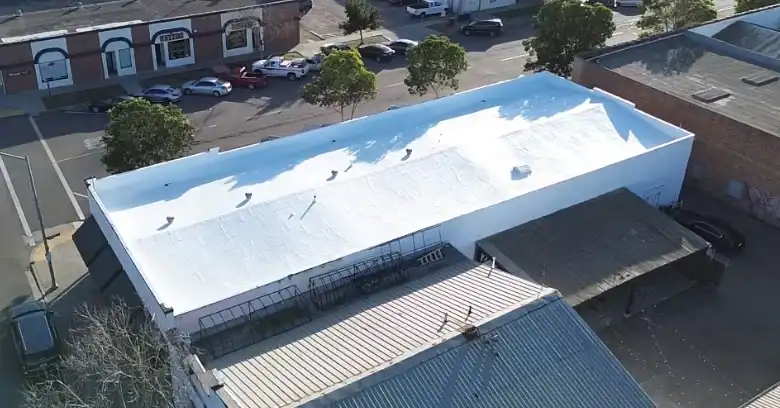
Weighing Flat Roof Services Serving Santa Barbara California?
Creative Roofing deals with flat and low-slope roofs on houses, additions, garages and small buildings, serving owners in Santa Barbara California and beyond.
Dial 805-723-2381 to arrange a visit to look at the roof.
How a Flat Roof Differs From a Pitched One
Low-slope roofs rely on a continuous waterproof skin because gravity does little to clear the surface, and the quality of the seams decides everything. A pinhole in a membrane or a gap in a seam lets in water that sits and keeps seeping, so it pays to hire people who work on flat roofs regularly.
Membranes, Built-Up Layers and Coatings
TPO and PVC are single-ply sheets that are welded at the seams with hot air, creating a continuous waterproof surface, so a damaged area can be fixed cleanly. The big rolls of rubber cover large areas with few seams, and the seam tape is a point to watch over time. Built-up roofing, often called BUR, layers hot or cold asphalt with reinforcing fabric and finishes with gravel or a cap sheet, and the system is heavy compared with single-ply.
Following the Water to Its Source
Failures concentrate wherever the membrane stops or is cut, so the inspection follows a set order. Cracked sealant at the top of a wall flashing is one of the most common sources of leaks, and the work is simple for a roofer.
Standing Water Is a Warning
Puddles that remain a day or two after rain signal that water is not leaving the roof as it should, and the first storm of the season shows the problems. Angled boards under a new membrane direct water toward the drains and eliminate low spots, and a roofer can map the low areas.
Strong Sun on a Flat Surface
A flat roof faces the sky all day, and the sun heats it far more than a steep roof ever experiences, and sunlight is the main cause of aging. Silicone, acrylic and elastomeric coatings are the main families used on flat roofs, and a coating cannot rescue a roof that is wet inside.
Vents, Pipes and Rooftop Units
Skylights and hatches add edges that need careful flashing, so these spots deserve regular checks. A roof used as a patio or deck needs a protective layer or pavers, and a little care goes a long way.
Options for an Aging Flat Roof
A flat roof with a few leaks and a sound membrane can often be repaired for a fraction of the cost of replacing it, and the key is an accurate diagnosis. A restoration coat is a good choice for a roof that is dry beneath and sound in the field, and an honest answer starts with a survey. Replacing wet insulation restores the performance of the roof and the comfort of the rooms below, and compare more than one proposal.
Residential Low-Slope Roofing
Many homes combine a pitched main roof with flat sections at the back or the sides, and the two meet in a joint that needs careful flashing, so ask whether the company handles low-slope work regularly. Siding, stucco and trim all have to be worked into the flashing, and the roofer has to cooperate with whoever finished the wall, and a thorough repair covers the whole junction. Pavers, decking and planters laid over a membrane protect it from the sun but hide it from view, so involve the roofer early.
Keeping Rooms Cool Below a Flat Surface
Rigid insulation boards above or below the deck slow the passage of heat, and they matter more on a level roof than on any other type, and the savings show up in the cooling bill. Cutting a small test square is another way to check, and it is sealed again as part of the same visit, and that is often cheaper than a full tear-off.
Keeping a Flat Roof in Shape Through the Year
Drains, scuppers and gutters should be cleared first, since blocked outlets cause more damage than any other single fault, so make it a fixed date on the calendar. Branches, loose objects and windblown trash can cut a membrane or block a drain, and they should be removed promptly, and cover furniture beneath a drip.
Wind, Edges and Fastening on a Level Roof
Whether a membrane is fully adhered, mechanically fastened or held down by ballast, the edges are the place where the installation either succeeds or fails, so ask how the edges will be attached. A ballasted roof needs a structure strong enough to carry the added load, which is a point to confirm before choosing the system, and the details are worth a closer look. A careful roofer walks the roof beforehand and counts every penetration, then includes them all in the proposal, so be there for the visit if you can.
Openings That Need Their Own Waterproofing
A curb lifts the opening above the level of standing water, which is the main reason it exists, and the membrane must climb it and be sealed at the top, and expect specific answers. The seal around a pipe on a low-slope roof has to be formed to match the membrane, because a generic rubber boot will not bond to every type, and every opening is one more detail to watch. Leaves and trash that collect around a drain strainer can cause the water level to rise until it overflows into the building, and a blocked outlet loads a roof beyond its design.
Questions for a Flat Roof Contractor
Look for the manufacturer system and the type of seam, whether welded, glued or taped, so ask for the details in writing. Ask who will supervise the work and how weather delays will be handled, and notice who answers plainly.
Keeping Disruption Small
Workers on a low-slope roof often arrive early, because the surface heats up quickly and some products behave better in the cool of the morning, so ask how the schedule will work.
Clearing Up a Few Misconceptions
A roof with no visible slope is not necessarily failing, since most are designed with a gentle fall toward the drains, so do not hesitate to ask.
Talk to Us About Your Flat Roof
A conversation about Flat Roof Services in Santa Barbara California usually starts with the type and age of the roof, so dial 805-723-2381 when it suits you. Calling before a problem becomes urgent makes it easier to compare options and schedules, and a little care goes a long way.
Verified

Verified
Verified
Verified
Verified






















