
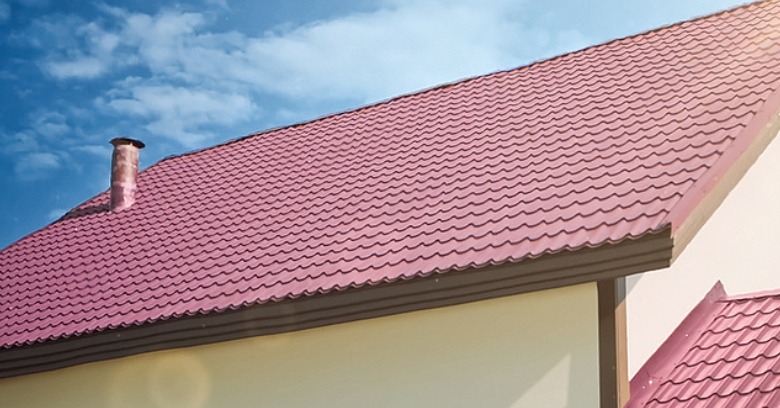
Ready for Metal Shingle Roofing Throughout Santa Barbara California?
Creative Roofing puts up ribbed, seamed and stone-coated metal coverings on houses, working across Santa Barbara California and nearby.
Call 805-723-2381 and describe the roof you have in mind.
What a Metal Roof Really Is
The panels are what you see, but the layers underneath and the trim around the edges matter just as much, and a good installer explains all of them. Coatings with a painted finish protect the metal and set the color, and your roofer can compare them for you.
Metal Roof Styles Compared
The raised seams give the roof its clean, linear look and shed water well, so the seams can be long and unbroken. Corrugated and ribbed panels are fastened with screws that pass through the face of the sheet, and the washers under the screw heads need periodic attention. Metal shingles and tiles are stamped to mimic slate, shake or clay while staying light, and the finish should be checked for color match and wear.
Strong Sun on a Metal Surface
Intense sunshine heats a metal panel quickly, though the heat leaves just as fast, and chalking or fading is the sign that a coating is giving up. Cool-roof coatings are designed to reflect sun and shed heat quickly, and it pays to think it through.
Metal Grows and Shrinks Every Day
Temperature changes make panels grow and shrink along their length, and clips are designed to let the panel slide. Fasteners are the most common maintenance item on screw-down roofs, and the details are worth a closer look.
Trim, Ridge and Rake
A well-built roof depends on secure, continuous edge metal, and the installer should explain the attachment method. A well-finished ridge looks tidy and stays weathertight, and replacing a worn one is simple.
Ember-Resistant Details
Panels made of steel or aluminum do not ignite from windblown embers, and it pays to think it through. Embers can enter through gaps, so tight details are important, so sweep leaves and needles away regularly.
Noise, Insulation and Comfort
A metal roof over a solid deck, underlayment and attic insulation is much quieter than people expect, and the details are worth a closer look. A metal system does not replace insulation, but it can cooperate with it, and it is easy to overlook.
Installation Details That Matter
Underlayment designed for high temperatures goes over the deck first, and not every underlayment suits a metal roof. Flashing around chimneys, skylights, walls and pipes is custom bent from the same type of metal, and the quality of the craft shows at these points. Measuring twice and laying out chalk lines pays off on a metal job, so patience on the first row saves trouble on the last.
Maintenance and Longevity
Yearly attention to fasteners, seams and trim keeps a metal roof sound, and the details are worth a closer look. Copper gutters or flashing next to bare steel is a combination that invites trouble, and the roofer should know the rules.
Drainage Off a Metal Surface
Rain in this region tends to arrive in short, heavy bursts after months of dry weather, so check that the system can handle a sudden surge. Overshooting is a known issue where a fast-draining roof empties straight over a gutter, and the installer should plan for it.
Deciding Whether to Strip the Old Roof
A retrofit system uses strips or battens fastened over the old covering to carry the new panels, and a little care goes a long way. Removing the old layers gives the new roof a clean start and exposes any damage underneath, and there is no single right answer.
Matching Panel to Pitch
Exposed-fastener panels generally need a steeper slope than standing seam, and the specification sheet settles the matter. Porches, patios and additions often have lower slopes than the main roof, and the trim details tie the roofs together.
Metal Roofs and Long-Term Value
Durability depends on the quality of the coating, the panels and the installation, and it is worth paying for good installation. A clean, well-documented roof makes a persuasive case, and a little care goes a long way.
Common Problems and How to Prevent Them
Noise from movement usually means the panels were pinned down where they should have been free to slide, and asking for references is reasonable. Scratches that go through the paint start corrosion in the metal below, and a small touch-up prevents a big problem.
Questions for a Metal Contractor
The proposal should state whether fasteners are concealed or exposed, and a thorough contractor will welcome the questions. A contractor with experience can explain problems before they happen, so do not hesitate to ask.
Paint Systems on Metal
Baked-on paint systems protect metal panels and give them their color for many seasons, and check the sample for color stability. Samples held up against the siding and the trim reveal how colors work together, and the details are worth a closer look. A quick check before ordering avoids an expensive surprise, and it is easy to overlook.
Gutters, Trim and the Finishing Touches
Water coming off a smooth panel needs a proper drip edge to carry it into the gutter instead of behind it, and that is worth keeping in mind. Leaf and debris protection over the gutters is a real consideration on a metal roof in a dry, tree-lined area, and the roof will repay the effort.
Why Metal Jobs Take a Little Longer to Start
Many metal panels are formed to the exact length of each roof plane, so the job begins with careful measuring rather than a quick order from stock, so plan ahead and allow for the wait.
Next Steps for Your Roof
People researching Metal Shingle Roofing in Santa Barbara California are welcome to call with questions, so use 805-723-2381 to set up the next step. Calling before a problem becomes urgent makes it easier to compare materials and schedules, and the roof will tell the story once someone looks.
Verified

Verified
Verified
Verified
Verified






















