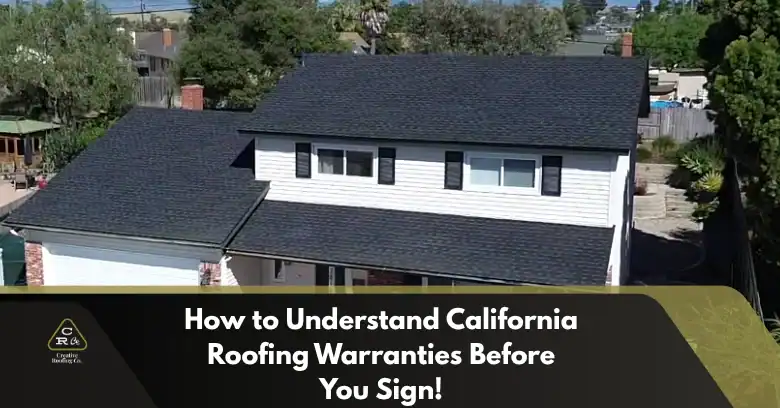
Looking for Roof Installation Serving Santa Barbara California?
Creative Roofing stays with a roofing project from the first walk-around to the final check, across Santa Barbara California and the neighboring communities.
Ring 805-723-2381 to start a conversation about the roof over your head.
Day One of a Roof Project
Nothing gets decided until someone has walked the roof, because the rest of the plan rests on the findings from that look. A proper look covers the slopes seen from the yard and the ones that are not, and each one goes into the notes.
Long dry summers and strong sun leave their mark on nearly every roof in California, and a little care goes a long way.
Repair, Patch or Replace
The right answer depends on how much sound material is left on the house, so a clear explanation matters more than a quick quote. Damage should be shown rather than only described, and a good roofer expects the question.
Weak spots in the deck only show themselves once the old roof is off, so a note on how it will be handled saves arguments later.
Matching the Covering to the House
Homeowners usually end up comparing shingles, tile and metal panels, so structure comes first and appearance second. Lighter colors reflect more of the summer sun, while darker ones soak it up, and it pays to look at them at different times of day.
Timing the Work
Roofing here follows the weather more than the calendar, and a careful crew never leaves an opening to chance. Crews often start early in summer to get ahead of the hottest hours, so the day usually begins at sunrise.
Getting to a Clean Surface
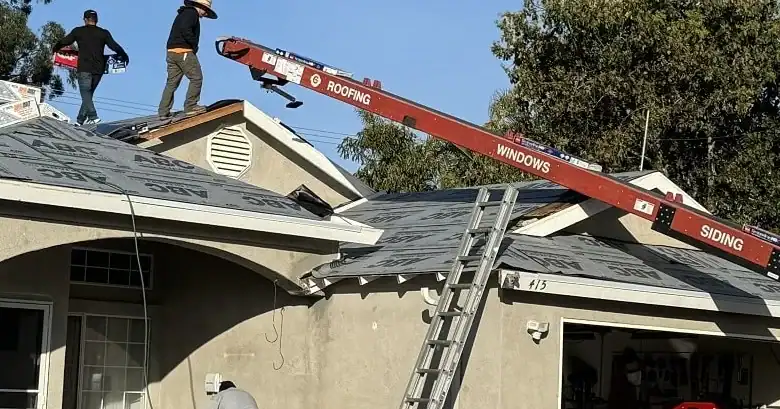
Tear-off gives the first real view of the structure under the roof, and protecting the driveway and plants is worth asking about. Soft or split sheathing is cut out and new panels are fastened down, and it is easier to fix now than after the roof is finished.
The Hidden Layers
Much of the protection a roof offers is out of sight, and it is easy to overlook. The house is safest once the second layer is complete, and the finished surface is installed over a sound base.
Where Roofs Meet Walls and Pipes
Chimneys, skylights, vent pipes and walls all need flashing worked into the roof, and the cost is small next to the roof it protects. Vent boots and pipe collars are rubber or lead pieces that wear out before the roof does, so replacing them along with the roof removes a predictable problem.
Attic Airflow
A roof without enough ventilation bakes the attic and everything stored in it, so vents near the ridge give the hot air a way out. A ventilation plan is worth a conversation before the job starts, so ask how the attic will breathe once the work is done.
Leaving the Property Clean
The job is not over until the yard looks like a yard again, and that is worth keeping in mind. Looking at the ridge, the valleys and the flashing with the roofer present is time well spent, and it only takes a few minutes.
What the City Wants to See
Replacing a roof usually involves the local building department in some way, and the answer should be clear from the start. Certain hillside and edge-of-town areas follow stricter material rules than the valley floor, since the covering you pick has to be one the town accepts. A clear proposal lists what will be removed, what will be installed and what happens if the deck needs work, and it is easy to overlook.
Shielding Windows, Plants and Patios
A roofing job puts a lot of weight, noise and debris around a house, and it is reasonable to ask how this will be done. Moving vehicles out of range for the day is a simple precaution, so tell the crew about anything fragile or valuable. Hammering on the deck above can rattle a ceiling and drop dust into the rooms below, so it is wise to take down fragile pictures first.
The Few Days of Commotion
Timing depends on the size of the roof, the complexity of the layout and the covering chosen, and plan on some slack for the weather. Informing nearby households is a courtesy that pays off, and early starts mean early noise. Working from home during a roof job is possible, though not always pleasant, and the noise settles once the old roof is gone.
Questions Worth Asking Before You Agree
Ask how the crew protects the house when rain is in the forecast, since confident answers come easily to people who do this daily. Ask for the materials by name and manufacturer so you can look them up, and a little care goes a long way. Surprises are normal, and a process for them is a sign of a well-run job, and you will have a clear record.
Maintenance After the Job
Even a new roof benefits from an occasional look from the ground, and the best times are before the rainy season and after the first big storm. Overhanging trees drop material that collects in corners and valleys, so it is worth doing before summer ends. Call a roofer after a major wind event or if you see a stain on a ceiling, and a photograph helps explain what you saw.
Is There a Best Time for a New Roof
Waiting for the first storm to find the weak spot means hiring in a hurry, and the schedule fills quickly once the rains end. Any month can work with the right planning and a willingness to move a day, and a good roofer will explain the trade-offs.
Insulation, Ducts and Cables Under the Roof
The attic is the roof as seen from below, and it often gives the clearest picture of how the roof has been performing, so ask the roofer to look inside as well.
Start the Conversation
Questions about Roof Installation in Santa Barbara California begin with a short phone call, so dial 805-723-2381 and say what you are seeing. Whether the job is a small section or a whole house, the questions are much the same, and an early conversation costs little. Taking the first step is usually the hardest part of any home project, and the next step becomes obvious.
Verified

Verified
Verified
Verified