
Looking for Roofing Maintenance Serving Santa Barbara California?
Creative Roofing covers each step of putting a new roof on a house, working in Santa Barbara California and nearby.
Phone 805-723-2381 and we will talk through what the roof needs.
Before Anything Is Torn Off
The first visit is about gathering facts rather than picking a product, and the notes from that visit steer every later choice. Signs of wear on top often point to a moisture problem underneath, and that is the evidence a sensible plan is built on.
Heat is the quiet cause behind much of the wear seen on roofs here, and a roofer who knows the area expects exactly that.
Deciding What the Roof Needs
Some roofs need a patch, some need a section redone, and some have reached the end of the road, and an honest roofer will say which one applies. Damage should be shown rather than only described, and the answer tells you a lot.
Weak spots in the deck only show themselves once the old roof is off, and agreeing on the approach in advance beats debating it with the roof open.
Material Decisions
Asphalt shingles, concrete or clay tile and standing seam metal are the coverings most often put on homes here, since heavy coverings need a frame built to carry them. Sun exposure makes color a practical question as well as a visual one, so hold a sample against the house in daylight.
Timing the Work
For most of the year the weather here lets a roof go on with few interruptions, and temporary dry-in layers keep the house safe overnight. Heat affects the work as well, and a little care goes a long way.
Getting to a Clean Surface
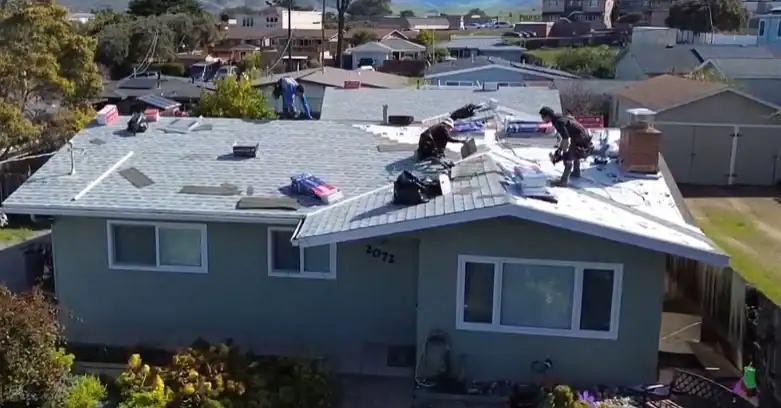
Removal of the old material is where the project gets loud, and magnets and rakes pick up the nails that fall. Soft or split sheathing is cut out and new panels are fastened down, since good materials laid over a weak deck do not last.
The Hidden Layers
Beneath every roof is a membrane that catches whatever the surface lets through, and metal edging is set at the eaves and rakes before the covering. Reaching this stage quickly is a sensible way to protect the interior, and that is worth keeping in mind.
Flashing and the Fiddly Parts
The places where a roof is interrupted are the places most likely to leak, and the cost is small next to the roof it protects. Pipe seals made of soft materials fail early in strong sun, so replacing them along with the roof removes a predictable problem.
Ventilation in a Warm Climate
A roof without enough ventilation bakes the attic and everything stored in it, and vents at the eaves let cooler air in. Mixing vent types without a plan can short-circuit the airflow, and it is easy to overlook.
Leaving the Property Clean
When the last piece is installed, the cleanup begins, so gutters are checked and cleared of loose granules. Keeping a short record of the materials used helps with later maintenance, and it pays to think it through.
Permits and Paperwork
Depending on the town, a re-roof may need a permit before any material is ordered, so it is fair to ask who pulls the permit. Areas with wildfire exposure often have extra requirements for roofing materials and vents, so ask how the plan meets the rules for your street. Vague wording on a proposal is a reason to ask questions, so keep a copy where you can find it.
Looking After Your Property During the Work
The ground around a house takes a beating during a roof project, and it is reasonable to ask how this will be done. The area under the eaves is the one to avoid, and a short talk the evening before covers the details. Attic contents are best covered or moved before the work starts, so it is wise to take down fragile pictures first.
Disruption and How to Manage It
The calendar for a job is set by the roof, not by the wish list, and nobody can promise a date through a rain delay. Neighbors appreciate a heads-up before the noise begins, and early starts mean early noise. Remote workers may want a quiet spot elsewhere for a day or two, and a plan for the loud days makes them easier.
Questions That Reveal the Difference
Ask how the roof will be ventilated and how the flashing will be handled, and write the answers down. Ask for the materials by name and manufacturer so you can look them up, and a little care goes a long way. Ask what happens if something unexpected turns up under the old roof, and settle it before the first day.
Keeping a Roof in Good Shape
A roof that is never looked at tends to fail when it is least convenient, and it is easy to overlook. Sweeping leaves off the roof and out of valleys prevents trouble, and that is worth keeping in mind. Early attention to a leak is almost always cheaper than late attention, and it pays to think it through.
When to Schedule the Work
Many homeowners wait until a leak appears before they think about a roof, and the schedule fills quickly once the rains end. Early fall is popular because the weather is still dry and the heat has eased, and the covering you choose affects the timing as well.
Attic Findings That Change the Plan
When the old roof comes off, the crew sees the underside of the deck, and stains, rust on nail tips and darkened wood tell the story of past leaks, and attic problems are cheaper to deal with during a re-roof.
Next Steps for Your Roofing Project
Sorting out Roofing Maintenance in Santa Barbara California is easier with someone who can look at the house, with 805-723-2381 ready whenever you are. Whether the job is a small section or a whole house, the questions are much the same, and that is worth keeping in mind. Putting off a roof question rarely makes it easier to answer, and the next step becomes obvious.
Verified

Verified
Verified
Verified
Verified






















