
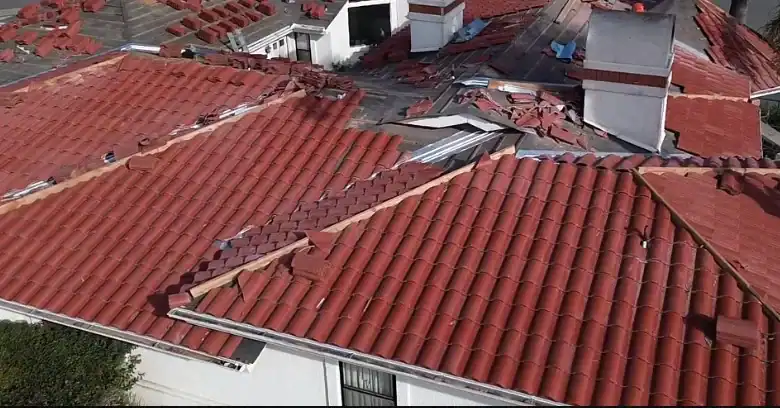
Weighing Tile Roofing Throughout Santa Barbara California?
Creative Roofing keeps barrel, flat and interlocking roofs weathertight from the deck up, across Santa Barbara California and nearby.
Dial 805-723-2381 and describe the roof and what you are seeing.
A Heavy Covering With a Long History
Fired clay and molded concrete are the two materials used for the heavy, durable coverings found across the region, and that is worth keeping in mind. Natural clay holds its color for a very long time, while concrete may need more attention to its finish, and the weight differs between materials.
Weight, Framing and What the House Can Carry
The framing is the foundation of any heavy roof, and an engineer may be involved in a conversion. Rotted rafters or sheathing must be repaired before heavy material goes back on, and a careful contractor raises the issue unprompted.
Felt, Membranes and Battens
Beneath the visible surface lies a waterproof membrane that does the hard work, and it ages in the heat trapped under the pieces. Modern synthetic and self-adhering underlayments last longer under high temperatures, and that is why age matters as much as appearance.
Sun, Heat and Dry Summers
Clay and concrete handle strong sun far better than lighter coverings, which is a large part of their appeal here, and it pays to think it through. A gentle wash and a clear sealer can refresh the appearance of an older roof, and a roofer can tell the difference.
Walking on a Fragile Roof
Broken pieces are the most common problem on a roof of this kind, and they usually come from foot traffic, and waiting makes the repair more expensive. Anyone who walks a roof of this kind needs to know where to step, because the wrong spot breaks the piece, so ask for a check after other work is done.
Hand-Shaped Metal and Mortar
Details where the pieces meet something else are the places most likely to leak, and that is worth keeping in mind. Dry-set ridge systems replace mortar with clips and are easier to maintain, and it deserves attention as the roof ages.
Wind, Fire and the Fastening Question
The method of attachment depends on the slope, the wind exposure and the local rules, and the attachment method should be in the proposal. Clay and concrete are noncombustible, which is a strong advantage in a region with wildfire seasons, and the pieces themselves are only part of the answer.
Options for a Tired Roof
The decision depends on how many pieces are cracked and how the underlayment is holding up, and a careful inspection answers both questions. A full replacement is a bigger project, but it resets the clock on the entire roof, and the new material can be a different type.
How Units Are Bedded and Secured
Cement bedding has been the traditional method for capping a ridge, but it is rigid and breaks as the roof flexes with temperature, and it pays to think it through. The openings along the bottom edge of a profiled roof need a closure strip, or they become a doorway for pests and debris, and a tidy edge looks better as well.
Looking After the Appearance
Dust, pollen and shade can leave a roof of this type looking dull and streaked, even when it is perfectly sound, and the details are worth a closer look. A professional cleaner will explain the method and protect the plants and walls below, so combine the two visits.
A Better Base for a Long-Lived Roof
Choosing a durable underlayment is one of the best investments in a long-lived roof, since it is the layer that has to outlast the rest, and that is worth keeping in mind. A sticky rubberized sheet seals around fasteners and clings to the deck, providing waterproofing even if the surface layer is breached, and it pays to think it through.
Rooftop Additions on a Roof of Many Pieces
Special hooks and flashing kits exist for these roofs, and an installer who uses them keeps the surface watertight, and ask who is responsible for the seals. Satellite dishes, antennas and holiday lights are small additions that can break units if the installer is careless or the fasteners are driven in the wrong place, so make it a habit to ask about the roof. A valley that is clogged with leaves and needles can send water sideways under the units, which they are not designed to handle, so make valleys the first stop on any check.
Picking the Right Unit for the House
Both materials are heavy, fire-resistant and durable, and either can give a house a distinctive character, so ask to see samples of both. Profiles vary from the rounded barrel shape seen on Spanish and Mediterranean homes to flat slabs and interlocking designs that look like slate or shake, and think about the neighbors as well.
How to Weigh Two Bids
Look for details on the underlayment type, the valley metal and the ridge system, and compare two bids line by line. Ask how the crew will handle the pieces, where they will be stored and how breakage will be managed, and a confident contractor will welcome them.
Stages of a Careful Re-Lay
Sorting the units as they come off lets the roofer count how many replacements will be needed and order matching pieces, and it is easy to overlook.
Wildfire Season and Heavy Roofs
Clearing leaves and needles from valleys, gutters and the back of chimneys removes fuel that could ignite from a flying ember, and that is worth keeping in mind.
Records, Photographs and Spare Pieces
A small stack of leftover pieces from the original job is worth more than almost any other record, since replacements are rarely identical, and store them with the house papers.
Tell Us What You Are Seeing
Those comparing Tile Roofing in Santa Barbara California can reach us by phone, and the number is 805-723-2381. Planning ahead usually leads to better choices than reacting to an emergency, and a little care goes a long way.
Verified

Verified
Verified
Verified
Verified






















