
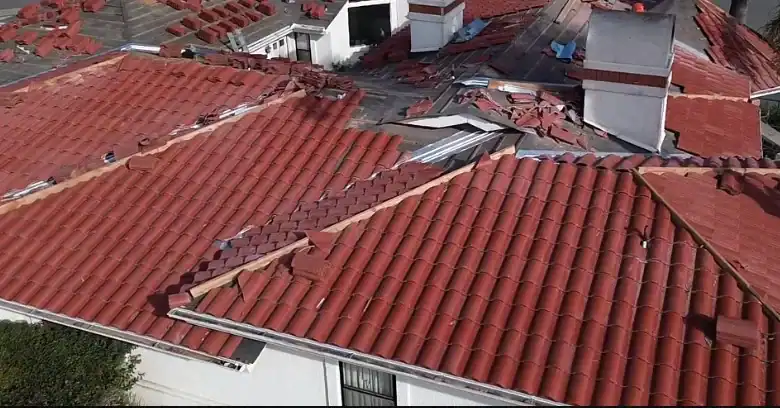
Ready for Tile Roofing Maintenance Around Santa Barbara California?
Creative Roofing installs, repairs and re-sets the heavy, long-lived coverings found on many homes in the region, from Santa Barbara California out to the surrounding area.
Reach us at 805-723-2381 to talk through what a tile roof needs.
What Makes a Roof Out of Fired Clay or Molded Concrete Different
The surface you see is only the first line of defense on a roof like this, and that is worth keeping in mind. Concrete units are molded from cement and sand and colored through the body or on the surface, and the style often follows the architecture of the house.
Checking the Rafters Before Choosing
A concrete or clay roof weighs several times more than a shingle roof, so the framing has to be up to the load, so a visual check is where the process begins. A house that was built for shingles may not be safe under a full load of concrete, and a casual answer should give you pause.
Felt, Membranes and Battens
Beneath the visible surface lies a waterproof membrane that does the hard work, and it ages in the heat trapped under the pieces. Modern synthetic and self-adhering underlayments last longer under high temperatures, and high-temperature types are worth the small extra cost.
Sun, Heat and Dry Summers
Long dry summers are easy on the material itself, though the layers underneath age in the heat, and the color stays true for decades. Concrete may chalk or fade after long exposure, and a clean surface may need a sealer or fresh paint, and a roofer can tell the difference.
Finding Damaged Units
A piece cracks when someone steps on the wrong spot, and many are broken by workers on the roof for other reasons, and waiting makes the repair more expensive. Anyone who walks a roof of this kind needs to know where to step, because the wrong spot breaks the piece, and the cost of a few replacements is small.
Flashing, Valleys and Ridges
Valleys carry the most water on a roof, and the metal channel beneath the pieces must be sound, and metal valleys should be replaced during a re-lay. Dry-set ridge systems replace mortar with clips and are easier to maintain, and it deserves attention as the roof ages.
How Units Are Secured
Though heavy, individual pieces must be fastened properly or they can slide or lift in strong gusts, and local rules in windy areas may require specific fastening. Embers do not ignite the pieces, though they can still collect in gaps and under the edges, and local rules may set requirements for roof assemblies.
Options for a Tired Roof
Many of these roofs are restored two or three times over the life of the building, and a careful inspection answers both questions. Spalling concrete, crumbling clay and widespread cracks are signs that the surface is at its end, and that is worth keeping in mind.
Mortar, Foam and Dry-Set Methods
Foam adhesives are widely used to secure units, particularly in areas where wind is a concern, because they bond quickly and resist uplift, and the best answer is specific to your roof. The openings along the bottom edge of a profiled roof need a closure strip, or they become a doorway for pests and debris, and a good roofer checks them without being asked.
Moss, Stains and Keeping the Surface Clean
Dark streaks and patches of lichen are common on north faces and under trees, and they are mostly a cosmetic issue, and the details are worth a closer look. Cleaning is not a substitute for repairs, but it often reveals cracked pieces that were hidden by grime, and the roof will look and perform better.
A Better Base for a Long-Lived Roof
Choosing a durable underlayment is one of the best investments in a long-lived roof, since it is the layer that has to outlast the rest, and that is worth keeping in mind. Counter-battens add further airflow and reduce heat transfer into the attic, and it adds only modestly to the cost.
Planning Equipment Around the Units
Rooftop solar arrays and skylights need openings or mounting points cut through a roof of individual pieces, and each one has to be flashed with care, and a little care goes a long way. Satellite dishes, antennas and holiday lights are small additions that can break units if the installer is careless or the fasteners are driven in the wrong place, and inspect after every visit. When rain arrives in a sudden burst after months of dry weather, the valley is the first place where a defect shows, and a ladder and a soft broom are often all you need.
Picking the Right Unit for the House
Cast from cement and sand, concrete units take their color from pigment in the mix or from a coating applied to the surface, so ask to see samples of both. Matching the profile to the style of the house is the first design decision, and it affects the cost and the installation method, so hold them against the house.
Getting Specific About a Heavy Roof
The written scope should say whether the existing units will be reused and who will supply replacements, and a little care goes a long way. Find out whether the crew has experience on heavy roofs and can show examples of finished work, and keep notes to compare later.
Stages of a Careful Re-Lay
Each section of the roof is stripped down to the underlayment, repaired and covered with fresh waterproofing before the units go back, and the result is a roof that looks as it did and performs like new.
Roofs of Fired Clay and Concrete in Wind and Fire Country
Clearing leaves and needles from valleys, gutters and the back of chimneys removes fuel that could ignite from a flying ember, and that is worth keeping in mind.
Records, Photographs and Spare Pieces
Passing these records to the next owner of the house adds real value and saves them a good deal of guesswork, and it pays to think it through.
Next Steps for Your Roof
Anyone sorting out Tile Roofing Maintenance in Santa Barbara California is one call away from a straight answer, and 805-723-2381 reaches someone who can help. Calling before a problem becomes urgent makes it easier to compare materials and schedules, so reach out whenever you are ready.
Verified

Verified
Verified
Verified
Verified






















