
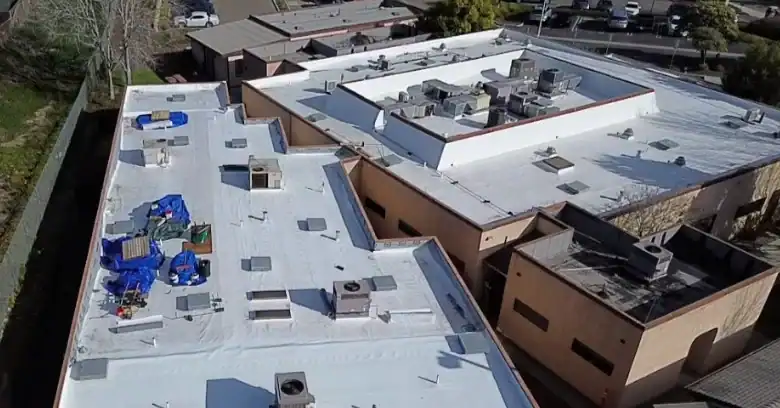
Looking Into TPO Membrane Roofs Serving Santa Barbara California?
Creative Roofing installs membranes, coatings and built-up layers on roofs that barely shed water on their own, for properties in Santa Barbara California and the towns around it.
Ring 805-723-2381 to arrange a visit to look at the roof.
The Challenge of a Level Surface
A roof with barely any pitch is a different design problem from the ordinary sloped kind, and drainage is the central question. A flat roof gives little margin for error in the details, and look at examples of their finished work.
The Systems You Will Hear About
Thermoplastic membranes are light-colored, reflective and joined by heat into one watertight skin, and a little care goes a long way. A rubber roof is flexible and handles movement well, though seams and flashings need care, so periodic inspections are wise. Layered asphalt systems have been used for generations and are valued for redundancy, and repairs can be made in place.
Seams, Corners and Terminations
Failures concentrate wherever the membrane stops or is cut, and shortcuts miss the trouble. Parapet caps and copings protect the top of the wall and must be sound, and a small bead of sealant in time prevents a big repair.
Scuppers, Drains and Slope
Water that does not drain adds weight, breeds algae and ages the surface faster, and the first storm of the season shows the problems. Adding drains or enlarging scuppers helps when the old ones were undersized, and the improvement is permanent.
Sunshine, Heat and Aging
A flat roof faces the sky all day, and the sun heats it far more than a steep roof ever experiences, so the surface slowly dries and cracks. Liquid coatings are rolled or sprayed onto a sound roof to form a continuous reflective skin, and that is worth keeping in mind.
Foot Traffic, Equipment and Penetrations
Boots, pitch pockets and flashing collars around pipes must be sound and sealed, and it pays to think it through. Regular foot traffic wears a path in the surface unless it is protected, and a little care goes a long way.
Matching the Work to the Roof
A skilled roofer can patch a membrane so that the repair outlasts the surrounding area, and temporary fixes should be called what they are. Testing for moisture shows what the roof can accept, and the survey is worth the small cost. A new roof is also a chance to improve slope, drains and edges, and compare more than one proposal.
Flat Roofs on Houses, Porches and Additions
Owners of older homes often discover that an addition from a previous decade was finished with a membrane that has long since worn out, and a shingle crew may not be the right choice. A low roof meeting a taller wall is among the most leak-prone details on a house, and it deserves close attention, and fixing it properly takes some patience. A deck surface over a roof has to be lifted to repair the layer beneath, which makes prevention far cheaper than correction, and the details should be planned with the whole project.
Keeping Rooms Cool Below a Flat Surface
Insulation values and reflective finishes work together to keep the space below comfortable, and the savings show up in the cooling bill. Cutting a small test square is another way to check, and it is sealed again as part of the same visit, and be skeptical of a bid that skips it.
Small Habits That Prevent Big Leaks
Walking the roof once a year, in a safe and careful way, reveals problems that are invisible from the ground, and the work is quick. After a heavy storm or a spell of high wind, a quick look from a ladder can show whether anything has shifted, lifted or collected on the surface, and call early rather than late.
Wind, Edges and Fastening on a Level Roof
Edge metal, copings and terminations have to be fastened to a set pattern and sealed at the joints, or wind will find the gap and work it open, and expect a specific answer. Stones that have been scattered by wind or foot traffic leave bare patches that expose the membrane to ultraviolet light, so inspect the outlets after any disturbance. Walkways, curbs and equipment supports need to be flashed and fastened as part of the membrane, and the details on a crowded roof take real time to do properly, and a thorough walk-through prevents them.
Roof Penetrations, Skylights and Hatches
Each opening is a separate detail, and each one should be listed in the written proposal, and that is worth keeping in mind. A roofer who plans the layout of penetrations before the work starts usually delivers a drier roof, and every opening is one more detail to watch. Keeping every outlet clear and in good repair is the most important single habit of flat roof care, and a blocked outlet loads a roof beyond its design.
Getting Specific About the System
A bid that only says new flat roof does not tell you what you are buying, and it lets you compare two bids fairly. Ask who will supervise the work and how weather delays will be handled, so write down what each company says.
Scheduling and Living With a Flat Roof Project
The crew needs clear access to the roof, a place to set up the equipment and a path for removing old material without crossing living areas, and that is worth keeping in mind.
What People Wonder When the Roof Is Flat
The idea that level roofs always give trouble comes from poorly detailed examples, because careful work on seams and drains makes a real difference, and an honest opinion is the goal.
Ready to Look at Options
Owners weighing TPO Membrane Roofs in Santa Barbara California can begin by describing the building and the roof they have, so use 805-723-2381 to set up the next step. Calling before a problem becomes urgent makes it easier to compare options and schedules, and a little care goes a long way.
Verified

Verified
Verified
Verified
Verified






















