Thinking About Architectural Shingle Roofing in Santa Maria California?
Creative Roofing works with layered shingles, starter strips, underlayment and ridge caps, from Santa Maria California out to the surrounding area.
Ring 805-723-2381 and ask about a shingle roof for your house.
Mat, Asphalt and Granules
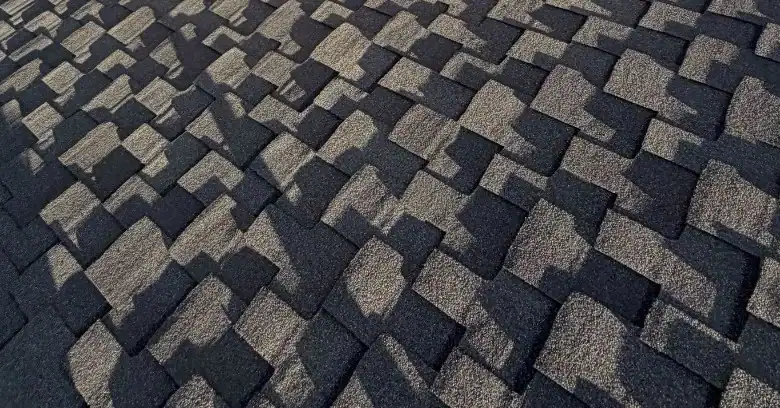
Behind the familiar look is a layered construction, and the granules protect the asphalt from the sun. A shingle that has lost its granules is losing its sunscreen, and bare patches show up as dark spots.
Basic, Laminated and Premium
Older houses often wear three-tab shingles because they were once the standard, and it remains a reasonable choice in some situations. Laminated shingles are thicker, heavier and more dimensional than flat strip shingles, and the difference shows in the finished roof. Designer shingles are heavier and carefully styled to resemble natural slate or cedar, and the added weight is a benefit in wind.
How California Weather Wears a Shingle
Hot weather and strong sun dry the oils in asphalt, leaving the surface stiff and brittle, and the effects are visible on the south and west slopes first. Edges that lift, corners that curl and surfaces that crack all point to age, and photographs make a useful record.
Picking a Shade That Works in the Sun
The color of a roof affects both its appearance and its temperature, so consider how the house sits in the sun. Reflective granules can bring a dark color closer to the performance of a light one, and the details are worth a closer look.
Nails, Courses and Starter Strips
Fastening is the quiet detail that separates a durable roof from a poor one, and check that they are driven flush. A starter strip along the eave and the rake gives the first course a sealed edge and extra grip, and a straight line of shingles is a sign of care. Special cap products are made to bend without cracking, and the ventilation opening below the cap should stay clear.
How Shingles Resist Wind
Seal strips need warmth to activate, which is why roofs installed in cool weather may take longer to bond, and checking for lifted tabs after a windy spell is a good habit. Edges and ridges are where wind does the most damage, and a pattern of lifting suggests the roof is aging.
Balanced Intake and Exhaust
Poor ventilation is one of the quietest causes of early shingle failure, and it is easy to overlook. Blocking the soffit vents with insulation is a common mistake that undermines the whole system, and that is worth keeping in mind.
Where Shingles Meet Everything Else
Self-adhering membranes at the eaves and valleys give extra protection where leaks start, and the choice affects how the roof performs. Every pipe and vent through the deck needs a boot or collar that is sealed and replaced with the roof, and these details cause most leaks on shingle roofs.
Reading the Roof
A roof that sheds grit, lifts at the edges and shows dark patches is reaching the end of its life, and early action keeps choices open. A few damaged shingles can often be replaced without touching the rest of the roof, and it is easy to overlook. When the whole roof is brittle, curling and shedding granules, repairs become a losing game, so plan the project before the leaks begin.
Taking Off the Old Shingles
Removing every old layer is the usual starting point, since it exposes the deck and shows whether anything underneath needs repair, and the bare deck is also the moment to check ventilation openings. Overlaying is a shortcut that a careful roofer will explain before agreeing to it, and the decision deserves a little thought. Sheathing that crumbles or feels spongy underfoot must be replaced before shingles can hold, and expect a call with photographs.
Keeping the Yard Safe During a Shingle Job
Protecting the house is part of the work, not an extra, and the plan should say how landscaping and windows will be shielded, and the crew returns it to normal when finished. Rolling magnets across the lawn, the driveway and the planting beds collects what a rake and the eye miss, and that is worth keeping in mind. Downspouts that carry water well away from the house protect both the new roof and the walls beneath it, and it pays to think it through.
When to Schedule a New Roof
Most replacements here are scheduled for the long dry season, which gives the roof time to settle before the first winter storm, and a little care goes a long way. Heat is a normal part of summer roofing, and a good crew plans the day around it rather than fighting it, and patience pays off in the finished roof.
Coordinating With Other Trades
Roofers work around fixed obstacles all the time, but each one adds time and adds a place where water might enter, and it is easy to overlook. Replacing a roof beneath an existing array is a coordination job involving the roofer and the solar company, and get the plan in writing.
Matching Shingles After a Repair
A roofer can often borrow shingles from a hidden slope or the back of the house to repair a more visible area, which gives the best match, and function matters more than appearance here.
The Edge Details That Finish a Shingle Roof
A drip edge along the eave and the rake guides water into the gutter and keeps it from running behind the fascia, where it would rot the wood, and old fascia boards are easy to replace while the roof is open.
What to Look for in Writing
A good proposal names the shingle line, the color, the underlayment and the flashing materials, and the line items let you compare two bids fairly. Ask how many layers of old roofing will be removed and how the deck will be inspected, and the answers are worth writing down.
Ready to Compare Options
Anyone sorting out Architectural Shingle Roofing in Santa Maria California is one call away from a straight answer, so use 805-723-2381 to set up the next step. Even a quick call can clear up questions about shingle grades, colors and timing, and the first step is just a phone call.
Verified

Verified
Verified
Verified