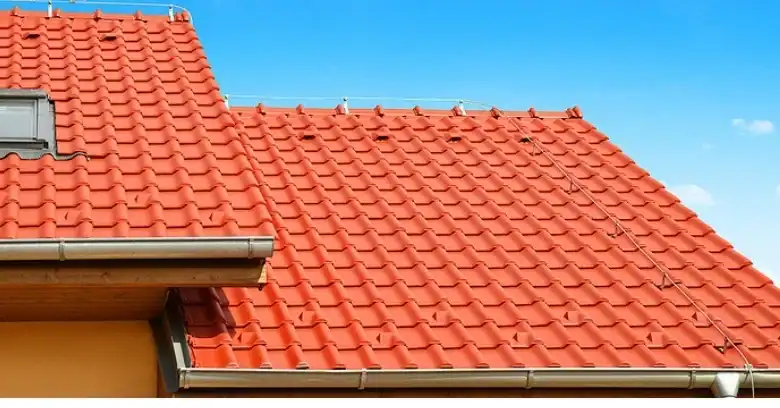
Researching Clay Tile Roofs in Santa Maria California?
Creative Roofing installs, repairs and re-sets the heavy, long-lived coverings found on many homes in the region, for homes in Santa Maria California and the towns around it.
Ring 805-723-2381 to set up a visit to look at your roof.
Basics of a Roof Built From Individual Pieces
Fired clay and molded concrete are the two materials used for the heavy, durable coverings found across the region, and the real waterproofing sits underneath. Concrete units are molded from cement and sand and colored through the body or on the surface, and the look varies enormously.
Checking the Rafters Before Choosing
Heavy coverings put real stress on rafters, trusses and walls, which is why the structure is checked first, and a little care goes a long way. A house that was built for shingles may not be safe under a full load of concrete, and the details are worth a closer look.
Underlayment Is the Real Waterproofing
Beneath the visible surface lies a waterproof membrane that does the hard work, and a membrane that has dried out is a common reason for leaks. Sun and heat trapped under the units bake the underlayment for years, until it dries, cracks and fails, and that is worth keeping in mind.
Why Tile Suits Hot Weather
Long dry summers are easy on the material itself, though the layers underneath age in the heat, and that is why roofs of this kind are so common in warm regions. Moss and lichen are less of a problem in dry summers, though shaded areas may collect some, and a little care goes a long way.
Finding Damaged Units
Falling branches and windblown debris can also crack pieces in a storm, and the damage may not show from the ground. A short inspection after any work on the roof catches damage early, so ask for a check after other work is done.
Flashing, Valleys and Ridges
Metal flashing and sealant protect these joints, and both age in strong sun, and that is worth keeping in mind. Cracked and crumbling mortar along the ridge lets water and wind get under the cap pieces, and it deserves attention as the roof ages.
Wind, Fire and the Fastening Question
Though heavy, individual pieces must be fastened properly or they can slide or lift in strong gusts, and a little care goes a long way. Keeping the roof and gutters clear of leaves and needles is part of staying safe, and the pieces themselves are only part of the answer.
Options for a Tired Roof
The pieces on an old roof may be fine for many more seasons even when the underlayment has given out, and avoid roofers who recommend replacement without looking. Replacing the covering gives the chance to upgrade the structure, the ventilation and the details, and a good roofer will lay them out plainly.
Adhesives, Clips and Mortar
Cement bedding has been the traditional method for capping a ridge, but it is rigid and breaks as the roof flexes with temperature, and the best answer is specific to your roof. Replacing these strips during a re-lay is inexpensive, and it improves both fire resistance and cleanliness, and a little care goes a long way.
Cleaning a Heavy Roof Without Damaging It
Surface growth tends to be slower in dry summers, though shaded areas may still collect some, and the result can be striking. High pressure is the wrong tool for a roof made of individual pieces, because the water is driven uphill under the laps, so combine the two visits.
Selecting the Layer Beneath
Choosing a durable underlayment is one of the best investments in a long-lived roof, since it is the layer that has to outlast the rest, and that is worth keeping in mind. Battens that lift the units off the underlayment allow air to circulate and water to drain freely beneath the pieces, and good detailing here pays off for decades.
Solar Panels, Skylights and Heavy Roofs
Mounting an array on a roof of this type means lifting or cutting units around every bracket and sealing the opening beneath, so coordinate the roofer with any other trade. Satellite dishes, antennas and holiday lights are small additions that can break units if the installer is careless or the fasteners are driven in the wrong place, and a short sign near the hatch helps. Metal valley liners should be inspected for rust, pinholes and loose edges, since they carry more water than any other part of the roof, and it is easy to overlook.
Weighing Clay Against Concrete
Clay units are fired at high temperature, and their color runs all the way through, so a chip or scratch does not show a different shade beneath, and compare how they look in daylight. Profiles vary from the rounded barrel shape seen on Spanish and Mediterranean homes to flat slabs and interlocking designs that look like slate or shake, and take your time with the choice.
Comparing Tile Roofing Proposals
A thorough proposal names the material, the underlayment, the flashing and the method of attachment, and the details are what you are really buying. Ask how the crew will handle the pieces, where they will be stored and how breakage will be managed, so do not hesitate to ask.
Planning a Re-Lay Step by Step
Work in stages keeps the house covered at the end of every day, so that a sudden rain does not find an open roof, and the whole process takes patience.
Wildfire Season and Heavy Roofs
Trimming branches back from the roof and keeping a clear margin around the house reduces the risk to the roof and the building, so make it part of the late-summer routine.
Records, Photographs and Spare Pieces
Passing these records to the next owner of the house adds real value and saves them a good deal of guesswork, and it costs almost nothing to keep them.
Ready to Look at Options
People researching Clay Tile Roofs in Santa Maria California are welcome to call with questions, so use 805-723-2381 to set up the next step. There is no pressure in asking about your roof, and a little care goes a long way.
Verified

Verified
Verified
Verified