Researching Commercial Roofs Across Santa Maria California?
Creative Roofing deals with the flat and low-slope roofs that sit above working buildings, for properties in Santa Maria California and the surrounding area.
Call 805-723-2381 to arrange a visit to the property.
Roofs Over Businesses
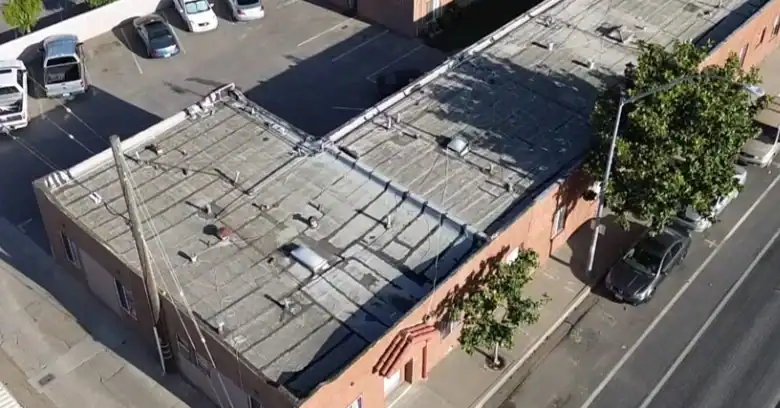
A building roof is built around drainage and access rather than steep pitch, and the failure modes are different too. Flat roofs rely on continuous membranes with welded or glued seams, and it pays to think it through.
A roof leak above a store, warehouse or office damages more than the ceiling, and a little care goes a long way.
A Look at the Main Systems
TPO, PVC and EPDM are the single-ply families most owners hear about, so the choice affects how repairs are done later. Built-up roofs use alternating layers of asphalt and reinforcing fabric, finished with a surface of gravel or a cap sheet, and it is easy to overlook. Coatings over an existing sound roof can extend its life without a tear-off, and that is worth keeping in mind.
How Water Leaves a Building Roof
Standing water is the most common enemy of a low-slope roof, and a small amount of tapered insulation can fix ponding. Debris collects around drain strainers after the dry months and blocks them in the first storm, so clearing drains is the cheapest maintenance on the list.
Air Conditioners, Vents and Curbs
Mechanical equipment on the roof creates dozens of places where the membrane has to be cut and sealed, so those details deserve the most attention in an inspection. Service technicians walking to equipment can wear a path through a membrane, and a contractor can mark them on the roof.
Heat Over a Working Building
Long dry summers expose a membrane to strong ultraviolet light month after month, and that is worth keeping in mind. A cooler roof surface lowers the strain on air conditioning in hot months, so ask a contractor to explain what to expect.
Planned Roof Care
A commercial roof lasts longest when someone looks at it regularly, and the best times are before and after the rainy season. Typical upkeep includes clearing drains, checking seams and sealing small cracks, and the details are worth a closer look.
Repair, Coat or Replace
A sound roof with surface wear can sometimes be restored with a coating, and it is easy to overlook. Replacing only the surface over saturated insulation hides the problem without solving it, and it is better to know the truth sooner.
Tenants, Customers and Noise
A good plan keeps customers and staff away from the areas under construction, and communication with tenants is part of the job. Barriers and warning lines protect pedestrians from falling tools and materials, and a safe site is also an efficient one.
Making Sense of Competing Bids
Look for details about seams, terminations and penetration flashing, so compare the line items one by one. A contractor should be willing to explain how the work will be checked while it is in progress, and it is easy to overlook.
Finding the Source of a Commercial Leak
On a flat roof the spot where water drips inside is rarely the spot where it came in, and the real source is usually near equipment or an edge. Penetrations and terminations are the usual suspects, and it pays to think it through. Infrared and electronic surveys map wet insulation without cutting the roof apart, and a clear map makes planning easier.
Perimeter Details and Attachment
Gusts act on a roof like air over an aircraft wing, trying to lift it, and the details are worth a closer look. Loose trim lets wind get under the membrane and peel it back, and a small fix now prevents a large one later.
Terminations and Transitions
A parapet is an extra wall that needs its own waterproofing on both faces, and the metal cap on top must stay sealed. Sealants at the top of a flashing dry out in strong sun and need redoing, and ignoring it can undo a good roof.
Fluid-Applied Systems
A coating can seal small cracks, reflect sunlight and slow the aging of the surface, and a coating is only as good as the surface beneath it. Applying a coat over a roof that is already saturated traps moisture and hides the problem, so be wary of anyone who promises it fixes everything.
When the Roof Covers an Acre
Warehouses and distribution buildings often have very large, uninterrupted roofs, and the roof can be done in sections. A leak in one unit may start above the next one down the line, and the owner usually coordinates the work. Apartment and multifamily buildings add residents, balconies and shared walkways to the mix, so schedules are shared in writing.
Capital Planning for Building Owners
People who set aside funds for roof work avoid scrambling when the time comes, and regular inspections help estimate the timing. The total cost covers upkeep, patching and the eventual new roof, and ask about the expected service life of each option.
Insulation Under the Membrane
Insulation under a flat roof keeps the building comfortable and reduces energy use, and they are protected by the membrane above. A thin board over the insulation spreads loads and gives the membrane a better base, so many owners include it. Angled boards direct water toward drains and reduce ponding, and it pays to think it through.
Getting a Roof Ready Before the Rains
Property managers who inspect their roofs before the rainy season avoid most of the emergency calls that come with the first heavy downpour, so schedule it like any other maintenance.
Talk to Us About Your Building
Managers researching Commercial Roofs in Santa Maria California are welcome to call and ask questions, and 805-723-2381 reaches someone who can help. Even a quick conversation can clarify what the building needs, so reach out whenever you are ready. A visit to the property turns a general worry into a specific plan, and the roof will show the rest. Property managers often juggle many buildings and appreciate clear, written answers, and that starts with a good first inspection.
Verified

Verified
Verified
Verified