Comparing Commercial Roof Installations Across Santa Maria California?
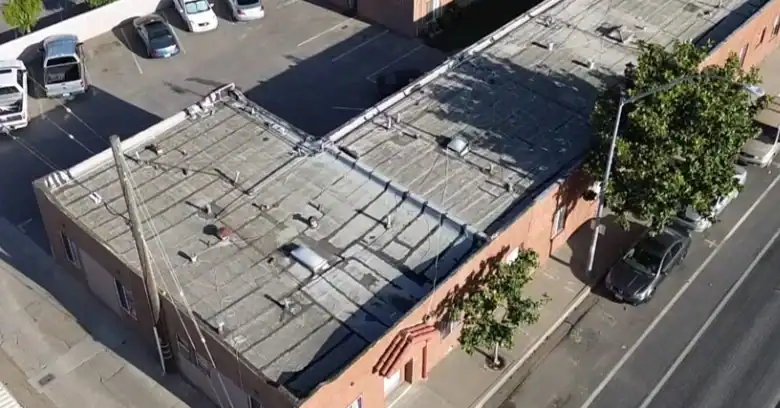
Creative Roofing deals with the flat and low-slope roofs that sit above working buildings, for properties in Santa Maria California and the surrounding area.
Dial 805-723-2381 to arrange a visit to the property.
Commercial Roofs Are Not Bigger Houses
Most commercial buildings have low-slope roofs, which shed water slowly and carry equipment, and that is worth keeping in mind. Waterproofing on a low slope comes from the sheet itself rather than from the angle, and there is little margin for sloppy work.
Buildings also carry people, stock and equipment that a leak can ruin, and that makes prevention worth more than repair.
The Membranes Used on Flat Roofs
Single-ply membranes such as TPO, PVC and EPDM are among the most common coverings on commercial buildings, so the choice affects how repairs are done later. Built-up roofs use alternating layers of asphalt and reinforcing fabric, finished with a surface of gravel or a cap sheet, so they are still specified today. Spray foam and fluid-applied coatings are also used in some situations, so the building and its use drive the decision.
Keeping Water Moving
Standing water is the most common enemy of a low-slope roof, and it pays to think it through. Interior drains, edge scuppers and perimeter gutters each have their own failure points, and the first heavy rain turns it into a plug.
Rooftop Equipment and Penetrations
Every unit on a roof is a potential entry point for water, and sealants alone are rarely a lasting fix. Service technicians walking to equipment can wear a path through a membrane, and everyone benefits from the protection.
How the Climate Affects a Building Roof
Direct sun heats a dark roof to a temperature far above the air, and that is why white and light membranes are so common. Owners often look at reflective roofing for the savings on cooling, and the details of the benefit depend on the building.
Small Jobs That Prevent Big Ones
Scheduled inspections catch small problems before they reach the ceiling, and it gives you a record to show a buyer or lender. Maintenance work is mostly cleaning, tightening and resealing, and the details are worth a closer look.
Weighing the Options
Not every aging roof needs a full tear-off, and saving a good roof is cheaper than replacing it. Once water has spread through the layers, replacement is the honest answer, so a clear diagnosis matters.
Roofing Without Disrupting Operations
Many commercial roofs are replaced in sections so that the building is never left open, and early notice prevents most problems. Fall protection is required on commercial roofs, and a professional crew uses it, and a safe site is also an efficient one.
What Should Be in Writing
A clear commercial proposal names the system, the thickness and the method of attachment, and the cheapest-looking option may leave things out. A record of the materials and details used helps with later maintenance, so make it part of the agreement.
Where the Water Really Gets In
On a flat roof the spot where water drips inside is rarely the spot where it came in, and guessing leads to repairs in the wrong place. Penetrations and terminations are the usual suspects, so the inspection begins at the details. A survey gives facts to base a decision on, so it is worth asking about on a larger roof.
Wind, Fasteners and Roof Edges
A roof that is poorly attached shows the problem at its edges, and the perimeter needs extra fastening. Loose trim lets wind get under the membrane and peel it back, and a gap there can grow quickly in a gust.
Parapet Walls and Their Weak Points
Where a flat roof stops against a wall, flashing has to turn the membrane up and seal it, and the metal cap on top must stay sealed. Mortar joints and wall coatings are part of the roof story, so it helps to look at the wall as well as the roof.
Giving an Older Roof More Time
Coating is a way to protect a roof before it fails rather than after, and the right product depends on the existing membrane. Coatings cannot fix a roof with wet insulation or widespread damage, and an honest contractor will say so.
Scale Changes the Planning
Warehouses and distribution buildings often have very large, uninterrupted roofs, and the roof can be done in sections. Multi-tenant buildings call for clear communication with every occupant, and the owner usually coordinates the work. Residents expect notice before work begins above their homes, and clear notices help everyone know what to expect.
Thinking About Cost Over the Life of the Roof
Treating the roof as an asset with a lifespan is the smart approach, and a little care goes a long way. Choosing on the lowest initial figure alone can cost more over the life of the building, and the details in the scope explain the difference.
What Sits Between the Deck and the Membrane
Thick boards of insulation do much of the work of holding heat in or out, and they are protected by the membrane above. A sturdier base means fewer punctures and longer service, and the added cost is modest. Tapered insulation can create slope on a roof that is otherwise dead flat, and it is a good time to ask about it.
A Seasonal Checklist for Managers
Late summer is the right moment to walk a commercial roof, because debris has accumulated through the dry months and the first storms are only weeks away, and share the results with the owner.
Let Us Know What You Are Dealing With
Anyone sorting out Commercial Roof Installations in Santa Maria California is one call away from a straight answer, with 805-723-2381 ready whenever you want to talk. A roof that is checked before a failure is easier to plan around, so reach out whenever you are ready. Most building owners find that a short call clears up more than weeks of wondering, so call when you have a moment. Property managers often juggle many buildings and appreciate clear, written answers, and that starts with a good first inspection.
Verified

Verified
Verified
Verified