Sourcing Commercial Roof Replacement for a Building in Santa Maria California?
Creative Roofing looks after the roof over a business, from a small storefront to a large building, for properties in Santa Maria California and the surrounding area.
Call 805-723-2381 and tell us about the building and the roof.
Why a Building Roof Is a Different Animal
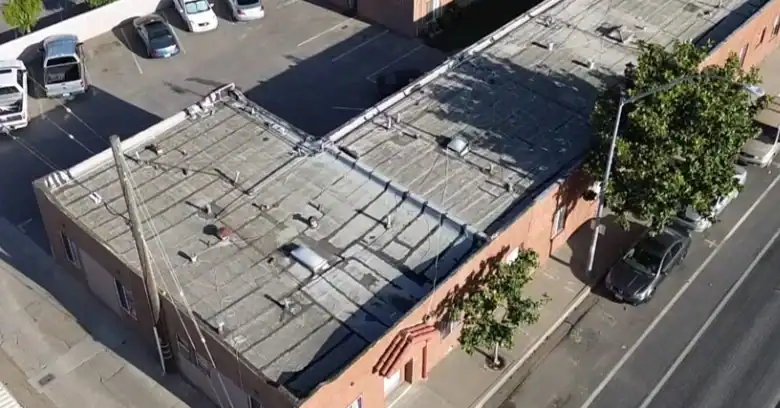
Low slopes make a commercial roof a different problem from a house roof, so the finer points carry the weight. Water that stays on a roof for long finds every weakness in the membrane, and the quality of those seams decides how long it lasts.
A roof leak above a store, warehouse or office damages more than the ceiling, and that makes prevention worth more than repair.
Common Low-Slope Roof Systems
TPO, PVC and EPDM are the single-ply families most owners hear about, and none of them is right for every building. Built-up roofs use alternating layers of asphalt and reinforcing fabric, finished with a surface of gravel or a cap sheet, so they are still specified today. Standing seam metal panels cover warehouses, schools and retail buildings, and each option has conditions where it works best.
Keeping Water Moving
Every flat roof is only as good as its drainage, and drains need to be clear before the rainy season begins. Debris collects around drain strainers after the dry months and blocks them in the first storm, and a clogged drain can load a roof beyond its design.
Rooftop Equipment and Penetrations
Pipes, conduits and curbs interrupt the membrane in many spots, and many leaks start there rather than in the open field. Foot traffic that is not planned for wears the roof where it matters most, and everyone benefits from the protection.
Reflective Roofs and Cooling Costs
A flat roof takes the full force of the sun for most of the day, and the surface slowly dries, chalks and cracks. A cooler roof surface lowers the strain on air conditioning in hot months, so ask a contractor to explain what to expect.
Inspections and Upkeep
Routine care costs a fraction of an emergency repair, and the best times are before and after the rainy season. A visit usually covers drains, flashing, seams, curbs and the condition of the surface, and most items take only a short time.
Choosing the Right Level of Work
Moisture surveys can show how much of a roof is truly wet inside, and testing is better than guessing. Once water has spread through the layers, replacement is the honest answer, so a clear diagnosis matters.
Tenants, Customers and Noise
Many commercial roofs are replaced in sections so that the building is never left open, so the schedule is shared in advance. Fall protection is required on commercial roofs, and a professional crew uses it, and plan for parking and deliveries as well.
Reading a Roof Proposal
Two proposals that look alike on the surface can differ a great deal in the details, and ask about anything that seems vague. The paperwork at the end of a job is as important as the work itself, and it is worth requesting before the work starts.
Leak Detection on a Flat Roof
A stain on a tile may be many feet from the opening in the membrane, and the real source is usually near equipment or an edge. Common sources include seams, drains, flashing at walls and the base of every pipe, and fixing the cause stops the leak for good. Infrared and electronic surveys map wet insulation without cutting the roof apart, and a little care goes a long way.
Perimeter Details and Attachment
Strong seasonal winds pull hardest at the perimeter of a low-slope roof, and the details are worth a closer look. Perimeter metal is the first line of defense against uplift, and a gap there can grow quickly in a gust.
The Seams That Join Roof to Wall
Flashing at the wall is one of the most failure-prone parts of a low-slope roof, and that is worth keeping in mind. Sealants at the top of a flashing dry out in strong sun and need redoing, and a repair there often needs more than a bead of caulk.
Giving an Older Roof More Time
A coating can seal small cracks, reflect sunlight and slow the aging of the surface, and the preparation matters as much as the product. Surface treatments help sound roofs, not ones that are failing underneath, and the follow-up inspections matter too.
Big Buildings, Big Roofs
Warehouses and distribution buildings often have very large, uninterrupted roofs, and the schedule can run many weeks. Common areas, walkways and canopies add their own details, and tenants appreciate being kept informed. Planning around families and daily routines matters on a residential property, and good communication is part of the job.
Capital Planning for Building Owners
Thinking about the roof as a recurring cost makes budgeting easier, and a little care goes a long way. A cheaper system that fails sooner is not a bargain, and the details in the scope explain the difference.
What Sits Between the Deck and the Membrane
Insulation under a flat roof keeps the building comfortable and reduces energy use, and it is easy to overlook. A sturdier base means fewer punctures and longer service, and it is worth asking about. A tapered plan can be drawn for any roof and installed with the new membrane, so raise the question before the proposal is final.
Wind, Rain and Seasonal Readiness
Rooftop units should be examined for loose panels, failed seals and missing fasteners, since a stray panel can let rain into the system, and a dry building is the reward.
Next Steps for Your Commercial Roof
Owners weighing Commercial Roof Replacement in Santa Maria California can reach us by phone, so dial 805-723-2381 when it suits you. A roof that is checked before a failure is easier to plan around, and the details are worth a closer look. People who manage property tend to value a straight answer about the roof above all, so call when you have a moment. Property managers often juggle many buildings and appreciate clear, written answers, and that starts with a good first inspection.
Verified

Verified
Verified
Verified