
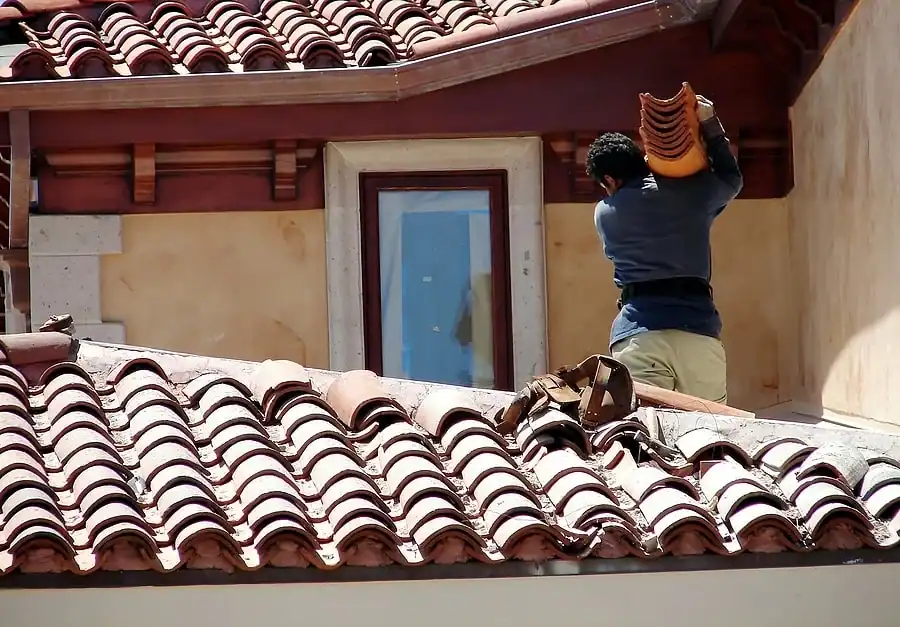
Thinking About Concrete Tile Roofer Contractors for a Home in Santa Maria California?
Creative Roofing works with clay and concrete roofing units, from a single cracked piece to a full re-lay, from Santa Maria California out to the surrounding area.
Ring 805-723-2381 and ask about the roof over your house.
Clay and Concrete Units in Plain Terms
A roof of this kind is a layered system in which each piece overlaps the next and the structure beneath does the waterproofing, and the system works only when every piece is in place. Both materials resist fire, which has made them popular where wildfire is a concern, and the style often follows the architecture of the house.
Weight, Framing and What the House Can Carry
A concrete or clay roof weighs several times more than a shingle roof, so the framing has to be up to the load, and a sagging ridge is a sign of trouble. Replacing a lighter covering with a heavier one without checking the structure is a serious mistake, and the cost of that work belongs in the plan.
Underlayment Is the Real Waterproofing
The membrane is out of sight, which is why it is easy to forget, so even a good surface can hide a tired layer. A roof can look perfect from the street and be failing underneath, and that is why age matters as much as appearance.
Strong Sun and Fired Surfaces
Clay and concrete handle strong sun far better than lighter coverings, which is a large part of their appeal here, so the look holds up. A gentle wash and a clear sealer can refresh the appearance of an older roof, and it fades or washes off with time.
What Goes Wrong on the Surface
Slipped pieces that have shifted out of line leave gaps that rain can reach, and the details are worth a closer look. Anyone who walks a roof of this kind needs to know where to step, because the wrong spot breaks the piece, so ask for a check after other work is done.
Where Pieces Meet Walls and Each Other
Valleys carry the most water on a roof, and the metal channel beneath the pieces must be sound, and that is worth keeping in mind. Cracked and crumbling mortar along the ridge lets water and wind get under the cap pieces, so look for loose or missing cap pieces.
Holding Heavy Pieces in Place
Nails, clips and foam adhesive are the common ways to secure units to the roof, and the attachment method should be in the proposal. Keeping the roof and gutters clear of leaves and needles is part of staying safe, and the pieces themselves are only part of the answer.
Matching the Work to the Condition
Many of these roofs are restored two or three times over the life of the building, and the savings from a re-lay can be considerable. A full replacement is a bigger project, but it resets the clock on the entire roof, and the new material can be a different type.
Mortar, Foam and Dry-Set Methods
Older roofs of this kind used mortar to bed the ridge and hip pieces and to seal the edges, and that mortar eventually cracks and crumbles, and the method should be named in the proposal. Eave closures and bird stops fill the gap beneath the lowest course, keeping out birds, rodents, leaves and windblown embers, so these small parts deserve attention.
Looking After the Appearance
Dust, pollen and shade can leave a roof of this type looking dull and streaked, even when it is perfectly sound, and the result can be striking. High pressure is the wrong tool for a roof made of individual pieces, because the water is driven uphill under the laps, and the roof will look and perform better.
Selecting the Layer Beneath
Basic and premium underlayment differ little in cost when set against the cost of the roof, so ask which product is specified. Combining a sturdy base layer with extra protection at critical points gives a roof two lines of defense, and it pays to think it through.
Penetrations Through Fragile Surfaces
Each penetration through the covering is a place where a unit must be cut, and cut pieces are more likely to crack later, and the answer should be written down. Every person who climbs onto a roof of this kind risks cracking something, so access should be limited to those who know how to walk it, and a short sign near the hatch helps. Valleys and low points on a roof of this kind carry the heaviest flow in a downpour, and the units along their edges are cut to fit and sealed with care, and a ladder and a soft broom are often all you need.
Picking the Right Unit for the House
Both materials are heavy, fire-resistant and durable, and either can give a house a distinctive character, and that is worth keeping in mind. Samples of full-size pieces on a roof model show more than a catalog photograph ever can, and it pays to think it through.
Getting Specific About a Heavy Roof
A thorough proposal names the material, the underlayment, the flashing and the method of attachment, so ask for them before signing. Ask how the structure will be checked and what happens if damage is found, and a confident contractor will welcome them.
How a Restoration Proceeds
Each section of the roof is stripped down to the underlayment, repaired and covered with fresh waterproofing before the units go back, and it is easy to overlook.
Preparing for Dry Winds and Embers
Trimming branches back from the roof and keeping a clear margin around the house reduces the risk to the roof and the building, and repair broken pieces before the winds arrive.
What to Save After a Restoration
Photographs taken during the work show what lies under the units, which is a view that nobody sees again for decades, so ask the roofer for copies.
Talk to Us About Your Roof
People researching Concrete Tile Roofer Contractors in Santa Maria California are welcome to call with questions, so dial 805-723-2381 when it suits you. Whether the roof is leaking now or you are planning ahead, an early conversation keeps your options open, and we are glad to help you sort it out.
Verified

Verified
Verified
Verified
Verified






















