
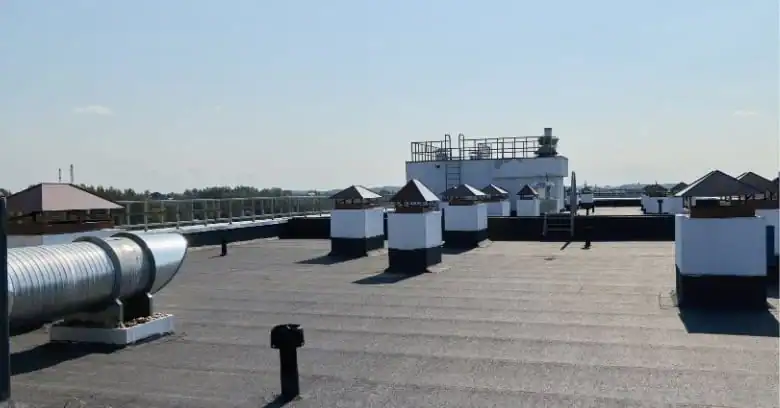
Need EPDM Roof Installation Serving Santa Maria California?
Creative Roofing installs membranes, coatings and built-up layers on roofs that barely shed water on their own, throughout Santa Maria California and the neighboring communities.
Call 805-723-2381 to arrange a visit to look at the roof.
Why Flat Roofs Need Special Care
The gentle angle of a flat roof gives water time to find every weakness, so shingles are never the answer. Careful work at the seams, edges and drains is what keeps one dry, and it pays to think it through.
Membranes, Built-Up Layers and Coatings
Thermoplastic membranes are light-colored, reflective and joined by heat into one watertight skin, and a little care goes a long way. The big rolls of rubber cover large areas with few seams, and the system suits many residential flat roofs. The multiple plies mean that a flaw in one layer is backed up by the next, and repairs can be made in place.
Details That Fail First
The open field of a membrane is usually the toughest part of the whole system, and shortcuts miss the trouble. The edges around the perimeter take the most punishment from sun and wind, and redoing sealant is routine upkeep.
Keeping a Level Roof Drained
A roof that holds puddles is telling you about a low spot or a blocked drain, and a little care goes a long way. Adding drains or enlarging scuppers helps when the old ones were undersized, and the details are worth a closer look.
Strong Sun on a Flat Surface
Dark surfaces can reach temperatures much higher than the surrounding air, and a reflective finish lowers that stress. A white or reflective coating can lower the surface temperature and protect the membrane beneath, and the benefit depends on the existing roof.
What Happens Around Machinery
These openings are the most common leak sources, so they get the most attention in an inspection, so these spots deserve regular checks. Walkway pads cost little and save the membrane from scuffing and punctures, and a quick look after any service visit catches new damage.
Repair, Recoat or Replace
Localized seams, flashings and punctures can be fixed without touching the rest of the roof, and the key is an accurate diagnosis. A restoration coat is a good choice for a roof that is dry beneath and sound in the field, and wet insulation rules out a quick fix. Starting fresh gives the best foundation for another long stretch of service, so begin conversations before the leaks become urgent.
Residential Low-Slope Roofing
Many homes combine a pitched main roof with flat sections at the back or the sides, and the two meet in a joint that needs careful flashing, and it pays to think it through. Siding, stucco and trim all have to be worked into the flashing, and the roofer has to cooperate with whoever finished the wall, and a thorough repair covers the whole junction. A deck surface over a roof has to be lifted to repair the layer beneath, which makes prevention far cheaper than correction, and the details should be planned with the whole project.
Energy and the Low-Slope Roof
Because there is often little or no open space under the deck, heat from a hot summer day passes quickly into the rooms below unless the roof is well insulated, and the combination is worth planning. Replacing only the saturated sections can restore performance while leaving the dry parts in place, and that is worth keeping in mind.
Small Habits That Prevent Big Leaks
Walking the roof once a year, in a safe and careful way, reveals problems that are invisible from the ground, and call a roofer if anything looks suspicious. Noting the date and the weather when a leak appears helps the roofer find the cause, and cover furniture beneath a drip.
Perimeter Details and Uplift
Edge metal, copings and terminations have to be fastened to a set pattern and sealed at the joints, or wind will find the gap and work it open, so ask how the edges will be attached. Stones that have been scattered by wind or foot traffic leave bare patches that expose the membrane to ultraviolet light, and replace what has blown away. The more complicated the roof, the more a clear written scope matters, since each detail represents a possible source of dispute, so be there for the visit if you can.
Skylights, Hatches and Vents on a Level Roof
A curb lifts the opening above the level of standing water, which is the main reason it exists, and the membrane must climb it and be sealed at the top, and loose sealant around a frame is a warning sign. The seal around a pipe on a low-slope roof has to be formed to match the membrane, because a generic rubber boot will not bond to every type, so ask about consolidating them. A drain bowl that is sealed to the membrane with a clamping ring and sealant keeps water from creeping under the sheet at the outlet, and clear them after storms.
Questions for a Flat Roof Contractor
The written scope should list the flashing details, the edge metal and the drainage work, so ask for the details in writing. Find out how drainage will be addressed and whether tapered insulation is included, and trust the overall impression.
Scheduling and Living With a Flat Roof Project
Most flat roof jobs on a house or small building take only a few days, though adhesives and torch work call for dry weather and some advance planning, so ask how the schedule will work.
Common Worries Before a Flat Roof Project
Plenty of owners assume a membrane has to be replaced at the first sign of wear, when a repair or a coating would have done the job, so do not hesitate to ask.
Next Steps for Your Roof
Anyone sorting out EPDM Roof Installation in Santa Maria California is one call away from a straight answer, so dial 805-723-2381 when it suits you. Even a quick call can clear up questions about membranes, coatings and timing, and a little care goes a long way.
Verified

Verified
Verified
Verified
Verified






















