
Thinking About Flat Roof Installation Around Santa Maria California?
Creative Roofing handles the seams, drains and edges where a flat roof succeeds or fails, from Santa Maria California out to the surrounding area.
Dial 805-723-2381 to arrange a visit to look at the roof.
Roofs That Do Not Shed Water by Themselves
A flat roof is never truly flat, but its slope is so slight that water drains slowly and lingers, and the materials and details are chosen for it. Because water stays on the surface, small flaws that a pitched roof would forgive become leaks on a flat one, and look at examples of their finished work.
A Guide to the Main Options
Heat-welded sheets such as TPO are among the most popular choices for new flat roofs, and repairs are made by welding on a patch. Rubber membranes are black or white, and the seams are joined with tapes or adhesives, and the seam tape is a point to watch over time. Layered asphalt systems have been used for generations and are valued for redundancy, and the gravel hides the condition of the membrane.
Seams, Edges and Where Leaks Start
Failures concentrate wherever the membrane stops or is cut, so the inspection follows a set order. Cracked sealant at the top of a wall flashing is one of the most common sources of leaks, and redoing sealant is routine upkeep.
When Water Will Not Leave
Ponding is the condition of standing water on a roof, and it accelerates wear on any membrane, and the first storm of the season shows the problems. Fixing the cause of ponding is better than repeatedly patching its effects, and a roofer can map the low areas.
How Heat Wears a Low-Slope Roof
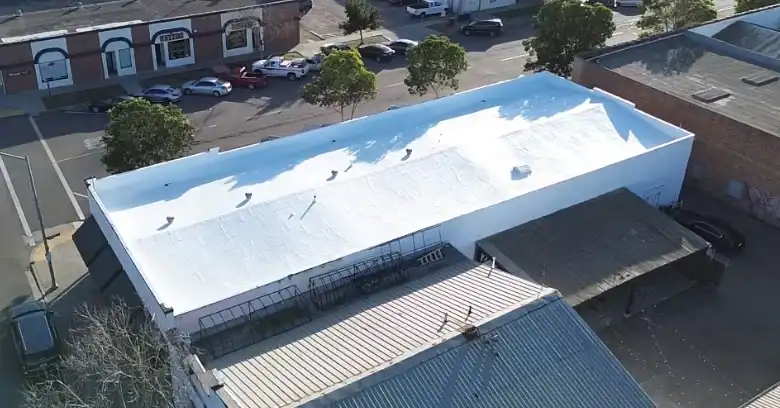
Dark surfaces can reach temperatures much higher than the surrounding air, and the movement stresses seams and fasteners. A white or reflective coating can lower the surface temperature and protect the membrane beneath, and a coating cannot rescue a roof that is wet inside.
Vents, Pipes and Rooftop Units
These openings are the most common leak sources, so they get the most attention in an inspection, and plugging with caulk is only a stopgap. Regular foot traffic wears a path in the surface unless it is protected, and a plan for traffic keeps the roof sound.
Repair, Recoat or Replace
A skilled roofer can patch a membrane so that the repair outlasts the surrounding area, and photographs help. These options depend on the condition of the insulation under the old surface, and an honest answer starts with a survey. When the roof is saturated, cracked and failing in many places, replacement is the only lasting answer, so begin conversations before the leaks become urgent.
Level Roofs at Home
Many homes combine a pitched main roof with flat sections at the back or the sides, and the two meet in a joint that needs careful flashing, and the repair needs a roofer who works with membranes. A low roof meeting a taller wall is among the most leak-prone details on a house, and it deserves close attention, so look at the wall as well as the roof. Pavers, decking and planters laid over a membrane protect it from the sun but hide it from view, and ask about drains and overflows.
Keeping Rooms Cool Below a Flat Surface
Rigid insulation boards above or below the deck slow the passage of heat, and they matter more on a level roof than on any other type, and a light-colored membrane adds to the benefit. Replacing only the saturated sections can restore performance while leaving the dry parts in place, and be skeptical of a bid that skips it.
Keeping a Flat Roof in Shape Through the Year
Drains, scuppers and gutters should be cleared first, since blocked outlets cause more damage than any other single fault, and call a roofer if anything looks suspicious. Noting the date and the weather when a leak appears helps the roofer find the cause, and call early rather than late.
Perimeter Details and Uplift
Whether a membrane is fully adhered, mechanically fastened or held down by ballast, the edges are the place where the installation either succeeds or fails, and repairs should not wait for the next storm. Raking the gravel back into an even layer is a routine job that keeps the protection continuous, and replace what has blown away. Surprises about extra details are the most common cause of disagreement over flat roof bids, and it is easy to overlook.
Everything That Breaks the Surface
Each opening is a separate detail, and each one should be listed in the written proposal, so ask how every opening will be handled. Gathering the pipes and conduits into fewer penetrations reduces the number of places where leaks can begin, and mark each one on a sketch. Drains and scuppers are also penetrations, and the flashing around them has to be watertight while still letting the water through quickly, and clear them after storms.
Questions for a Flat Roof Contractor
Specific wording is your best protection against disputes, and it lets you compare two bids fairly. The answers tell you more than a brochure or a website ever could, so write down what each company says.
Preparing the Property for a Membrane Job
Workers on a low-slope roof often arrive early, because the surface heats up quickly and some products behave better in the cool of the morning, and tell the crew about pets and schedules.
Short Answers About Low-Slope Roofing
The idea that level roofs always give trouble comes from poorly detailed examples, because careful work on seams and drains makes a real difference, and it pays to think it through.
Talk to Us About Your Flat Roof
Owners weighing Flat Roof Installation in Santa Maria California can begin by describing the building and the roof they have, and 805-723-2381 reaches someone who can help. Calling before a problem becomes urgent makes it easier to compare options and schedules, so reach out whenever you are ready.
Verified

Verified
Verified
Verified
Verified






















