
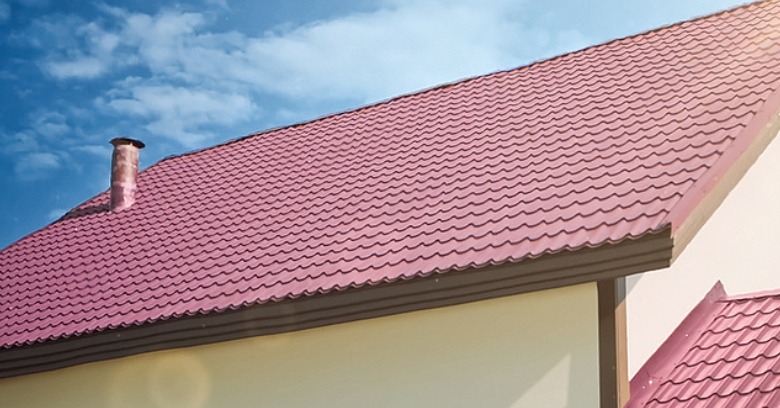
Thinking About Metal Roofing Throughout Santa Maria California?
Creative Roofing installs standing seam, corrugated and metal shingle roofs for homeowners, throughout Santa Maria California and the neighboring communities.
Call 805-723-2381 and we will explain how a metal roof goes together.
The Basics of a Metal Covering
Every metal roof is a combination of panel, fastening method and finish, so it helps to understand each part. Aluminum is lighter and resists rust naturally, which suits some situations, and the finish is as important as the metal.
Metal Roof Styles Compared
Standing seam is the style most people picture when they think of a modern metal roof, and snap-lock and mechanical-lock versions differ in how the seams close. Rounded corrugations and trapezoid ribs give the surface strength and a recognizable look, and the details are worth a closer look. Stone-coated steel panels have a granular finish fused to a formed steel base, and it is easy to overlook.
Heat and Light Over Time
Months of ultraviolet light fade finishes that are not made to resist it, and that is worth keeping in mind. Reflective and light-colored finishes send more sunlight away and keep the roof surface cooler, and it pays to think it through.
Thermal Movement Explained
Daily swings in temperature put constant stress on the fastening points, and a little care goes a long way. Periodic tightening and replacement keeps the system watertight, and neglect is what lets small leaks start.
Wind, Edges and Seasonal Gusts
Metal panels are strong and well attached, yet wind finds edges before anything else, and it is easy to overlook. Foam or metal closure strips seal the gap between the panel profile and the trim, so ask about them in the proposal.
Fire Safety on a Metal Roof
A noncombustible material, metal is popular in areas that worry about wildfire, and closures at the eave are part of the answer. A fire-safe roof needs screens on vents and clear gutters as much as a good covering, and a little care goes a long way.
Rain, Heat and Quiet Rooms
The reputation for noise comes from barns and sheds with no ceiling below the panels, and the details are worth a closer look. Raised battens or a vented space under the panels let hot air move away, and it is easy to overlook.
What Careful Installation Looks Like
Metal panels need a flat, solid deck, and any damaged sheathing is replaced before the panels go on, and not every underlayment suits a metal roof. Penetrations are sealed with purpose-made boots or formed metal pieces, and a neat result is a good sign. Panels are cut to length, hemmed at the ends and fastened in a set order that keeps them straight, so patience on the first row saves trouble on the last.
Caring for Metal Over Time
A metal roof asks for less work than most coverings, but it still deserves an occasional look, and a small bottle of matching paint helps. Copper gutters or flashing next to bare steel is a combination that invites trouble, so ask about compatibility if the house already has metal parts.
Handling a Sudden Downpour
Rain in this region tends to arrive in short, heavy bursts after months of dry weather, and that is worth keeping in mind. Water leaving a smooth panel can shoot past a standard gutter in a heavy downpour, so ask how the gutters will be positioned.
Retrofit Questions
Some metal systems are designed for installation over old shingles, while others are not, and the answer is different for every house. Removing the old layers gives the new roof a clean start and exposes any damage underneath, and a good roofer explains both options.
Low Slopes and Steep Pitches
The pitch of a roof determines which panel styles will shed water reliably, and using a panel below its minimum invites leaks. A porch roof at a shallow angle may need a different panel than the house above it, and a good installer will have done it before.
Thinking Beyond the First Installation
Longevity is the main reason owners accept the higher up-front cost of metal, and corners cut at any stage show up later. Keeping records of the installation helps when the house changes hands, and future owners will appreciate it.
Common Problems and How to Prevent Them
Oil canning, the waviness sometimes seen in flat panel areas, is mostly a matter of handling and fastening, so experience counts for more than a low figure. Heavy foot traffic on thin panels leaves marks that never go away, and it is easy to overlook.
What to Ask Before You Choose
Panel thickness is measured in gauge, and a lower number means thicker metal, and a thorough contractor will welcome the questions. A contractor with experience can explain problems before they happen, and a confident roofer will be happy to oblige.
Picking a Color That Lasts
Most residential panels carry a factory-applied finish that is cured onto the metal in a controlled process, and cheaper coatings fade faster. Samples held up against the siding and the trim reveal how colors work together, and do not decide from a screen. A quick check before ordering avoids an expensive surprise, and it is easy to overlook.
Details Around the Edge of a Metal Roof
Drip edge, fascia and gutters frame a metal roof, and each one has to be chosen and installed with the panel style in mind, so ask how the edges will be finished. Debris that collects at the valley can block the flow and force water under the panels, so schedule a check at the end of summer.
Why Metal Jobs Take a Little Longer to Start
The wait between choosing a color and receiving the material is a normal part of a metal job, and a little care goes a long way.
Tell Us What You Have in Mind
Those comparing Metal Roofing in Santa Maria California can reach us by phone, and the number is 805-723-2381. Whether the roof is leaking now or you are simply planning ahead, an early conversation keeps your options open, and the roof will tell the story once someone looks.
Verified

Verified
Verified
Verified
Verified






















