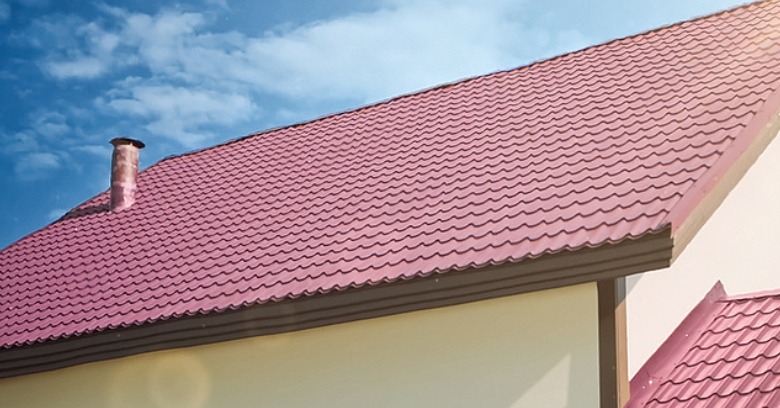
Researching Metal Shingle Roofing in Santa Maria California?
Creative Roofing builds and repairs metal roofs, from simple ribbed sheets to concealed-fastener systems, from Santa Maria California out to the surrounding area.
Call 805-723-2381 and we will explain how a metal roof goes together.
The Basics of a Metal Covering
Metal roofing means coated steel or aluminum panels fastened over a solid deck and a protective underlayment, and the quality of the whole depends on the weakest piece. Coatings with a painted finish protect the metal and set the color, and it pays to think it through.
Panel Styles You Will Hear About
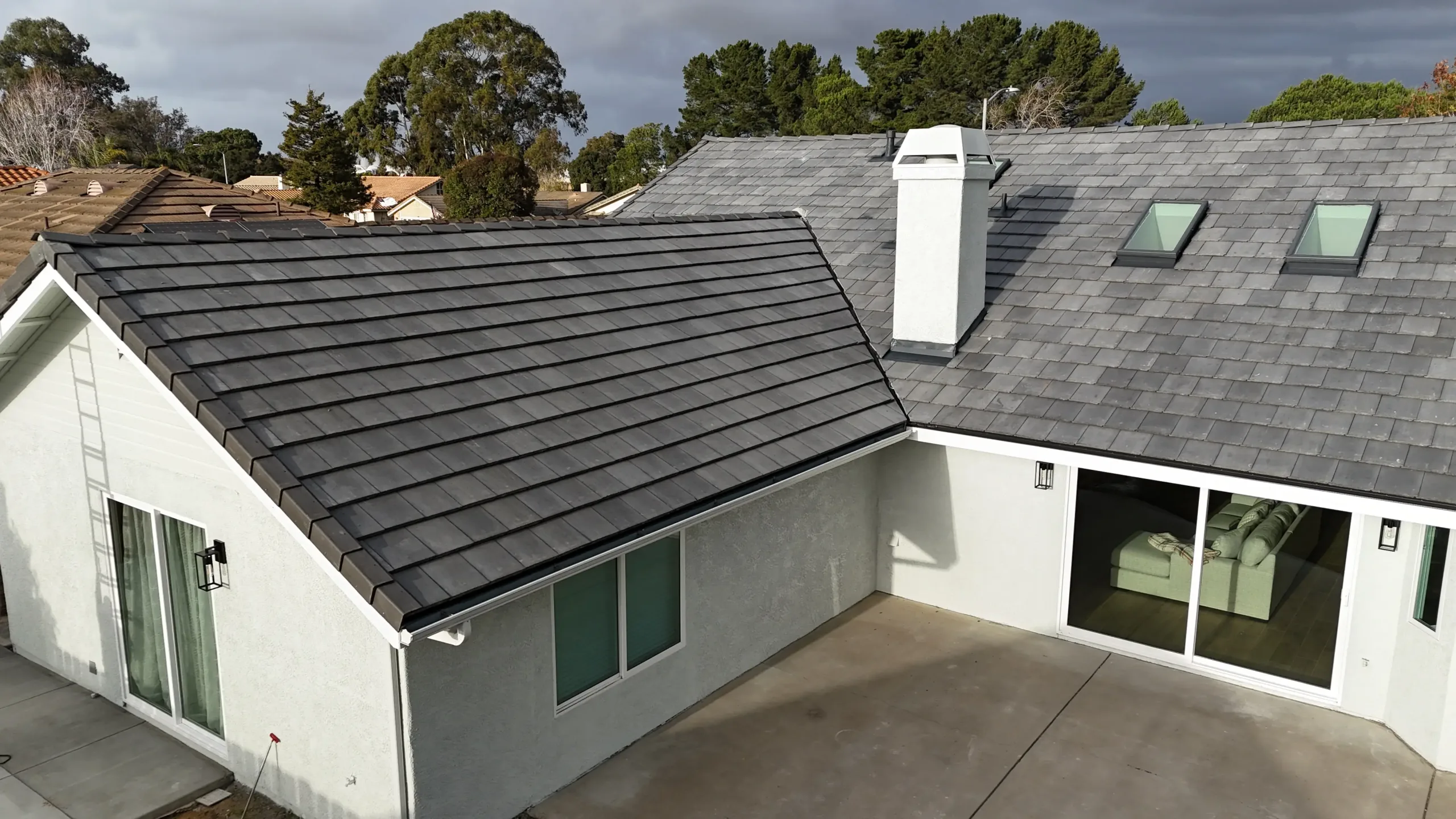
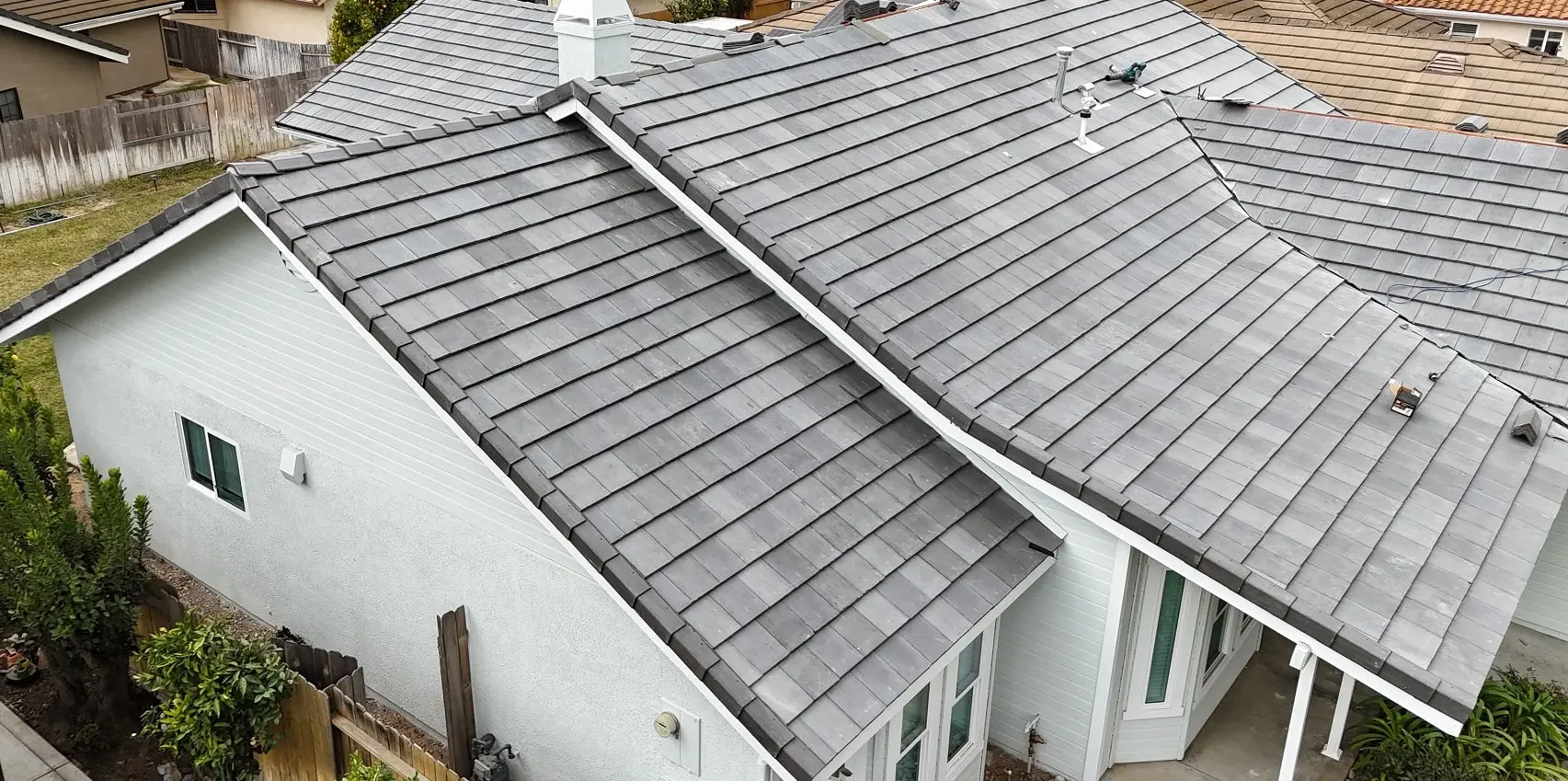
Standing seam panels run from the ridge to the eave with raised ribs that interlock, hiding the fasteners, and the panels are formed to length on site or at a shop. A ribbed panel is quicker to install, and the screws are visible along the rows, and the fasteners are the point to watch over time. Metal shingles and tiles are stamped to mimic slate, shake or clay while staying light, so they appeal to people who worry about noise.
Color, Coatings and Reflectivity
Long dry summers put a metal roof under strong sun for months at a stretch, and lighter colors stay cooler. Special pigments can keep even a dark color cooler than ordinary paint, so ask what to expect rather than relying on a promise.
Expansion, Clips and Fasteners
Temperature changes make panels grow and shrink along their length, and fastening in the wrong place can cause noise or damage. Screws that back out slightly over time let water in around the head, and it is an easy job when caught early.
Wind, Edges and Seasonal Gusts
A well-built roof depends on secure, continuous edge metal, so trim should be fastened to a proper pattern. Gaps at the ridge are an easy way for leaves, dust and insects to get in, and that is worth keeping in mind.
Fire Safety on a Metal Roof
Panels made of steel or aluminum do not ignite from windblown embers, and the details around vents and edges matter as well. A fire-safe roof needs screens on vents and clear gutters as much as a good covering, so sweep leaves and needles away regularly.
Rain, Heat and Quiet Rooms
The sound of weather depends on what is under the metal, and the details are worth a closer look. Raised battens or a vented space under the panels let hot air move away, and the results are noticeable in summer.
Preparing the Deck for Panels
Underlayment designed for high temperatures goes over the deck first, and not every underlayment suits a metal roof. Transitions between slopes need precise cutting and folding, so look at the trim and the corners when the work is done. Lines that run true from ridge to eave are a sign of careful layout, and metal does not forgive careless starts.
Keeping Metal in Good Shape
Scratches should be touched up before bare metal is left exposed, so keep the touch-up color the installer leaves behind. Mixing metals without a barrier is a recipe for staining and pitting, and it is easy to overlook.
Gutters, Valleys and Runoff
Water runs off a metal panel quickly, which puts a lot of flow into valleys and gutters, and valleys need to be wide and clean. Fast runoff needs a gutter set at the right height and angle, and larger gutters are common with metal.
Deciding Whether to Strip the Old Roof
A retrofit system uses strips or battens fastened over the old covering to carry the new panels, so the roofer should look before recommending it. Starting from bare wood is the most thorough approach, and a good roofer explains both options.
Roof Pitch and Metal Choices
Steep roofs can use almost any panel, but low slopes need seams that lock tight, and the manufacturer lists the minimum slope. Matching the look while meeting the slope requirements takes planning, and the trim details tie the roofs together.
Metal Roofs and Long-Term Value
The material itself does not rot, crack or curl the way other coverings can, and it pays to think it through. Appearance, durability and fire resistance all add to the appeal, so save the paperwork and the touch-up paint.
Mistakes to Avoid With Metal
Leaks around penetrations usually come from poor flashing details rather than bad panels, so experience counts for more than a low figure. Heavy foot traffic on thin panels leaves marks that never go away, and a small touch-up prevents a big problem.
Getting Specific About the System
Vague wording about metal roofing leaves too much to chance, and a thorough contractor will welcome the questions. Ask who will do the work and whether the crew has experience with this particular system, and a confident roofer will be happy to oblige.
Paint Systems on Metal
Most residential panels carry a factory-applied finish that is cured onto the metal in a controlled process, and cheaper coatings fade faster. Dark colors show scratches and fading more quickly under strong light, and take it outdoors. Some communities have design review that applies to roof color and style, and it is easy to overlook.
The Parts That Frame the Panels
Drip edge, fascia and gutters frame a metal roof, and each one has to be chosen and installed with the panel style in mind, and the details are worth discussing before work begins. Metal sheds leaves quickly, and they land in the gutters in a heap during autumn winds, and a quick look takes only a few minutes.
Lead Times and Custom-Formed Panels
Custom-formed panels, trim and flashing are made after the details are settled, which adds a stretch of waiting time at the start of the project, and a little care goes a long way.
Ready to Look at Options
Anyone sorting out Metal Shingle Roofing in Santa Maria California is one call away from a straight answer, and 805-723-2381 reaches someone who can help. Even a quick call can clear up questions about panels, finishes and timing, and the first step is just a phone call.
Verified

Verified
Verified
Verified
Verified