
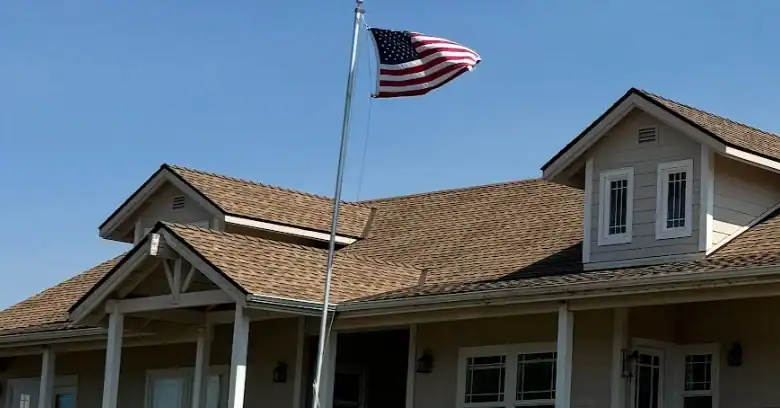
Shopping for Premium Shingle Roofing Close to Santa Maria California?
Creative Roofing works with layered shingles, starter strips, underlayment and ridge caps, serving homeowners in Santa Maria California and beyond.
Dial 805-723-2381 to talk through shingle styles and what suits the home.
Mat, Asphalt and Granules
Behind the familiar look is a layered construction, and that is worth keeping in mind. The granules do more than add color, because they shield the asphalt from ultraviolet light, so a handful of grit in a downspout tells a story.
Choosing a Weight and Style
Traditional three-tab shingles are a single flat layer cut into three tabs, and they are the lightest and plainest option, and fewer new roofs use it today. Laminated shingles are thicker, heavier and more dimensional than flat strip shingles, and the difference shows in the finished roof. A luxury shingle uses extra layers and special granules to create a handcrafted appearance, and it is easy to overlook.
Why Sunny Slopes Age First
Heat, ultraviolet light and temperature swings wear the surface steadily, and the difference shows how much the sun contributes. Cracks across the face open the way for water to reach the layers below, and it pays to think it through.
Color, Reflectivity and Cooling
A pale shade reflects more sunlight than a dark one, which can reduce heat entering the attic, so consider how the house sits in the sun. Special coatings on the granules help send solar heat away from the house, and the difference is most noticeable in the hottest months.
Nails, Courses and Starter Strips
Nails driven too high or too low weaken the hold of the whole course, so ask how many nails go into each shingle. Each course overlaps the one below so that water always sheds over a solid layer, and crooked rows are a warning. Special cap products are made to bend without cracking, and the ventilation opening below the cap should stay clear.
How Shingles Resist Wind
A shingle that never sealed can lift and flap in a gust, and a little care goes a long way. Edges and ridges are where wind does the most damage, and a roofer can reseal tabs with a dab of roofing cement.
Attic Ventilation and Shingle Life
Airflow under the deck helps a shingle roof reach its full useful life, and the eaves and the ridge are where the vents belong. Blocking the soffit vents with insulation is a common mistake that undermines the whole system, and fixing ventilation is far easier during a re-roof.
Where Shingles Meet Everything Else
The shingles shed most of the water, but the underlayment handles the rest, and it pays to think it through. Chimneys, walls and skylights need step flashing and counterflashing worked into the shingle courses, and replacing flashing during a re-roof is standard practice.
Signs of Wear and Choosing Repair or Replacement
Granules in the gutters, curling edges and bald spots are the most reliable signs of an aging shingle roof, and one sign alone may not mean much. Repairing a small area costs far less than a full replacement when the surrounding roof is sound, so ask for photographs of the problem areas. Matching old shingles is difficult, so large repairs often look patchy, and a full replacement gives a fresh start.
What Lies Under the Existing Roof
Down to bare wood is how a careful crew starts, because new shingles are only as sound as the surface they are nailed to, so the plan should allow for repairs to the wood. Putting a second layer on a tired roof can trap heat and moisture between the layers and shorten the life of both, and a little care goes a long way. Sheathing that crumbles or feels spongy underfoot must be replaced before shingles can hold, so ask how surprises will be handled.
Respect for the House and Garden
Protecting the house is part of the work, not an extra, and the plan should say how landscaping and windows will be shielded, and the crew returns it to normal when finished. Nails are the main hazard left behind after any roofing job, and a magnetic sweep of the yard and driveway is standard practice, and the work is not finished until the cleanup is. Downspouts that carry water well away from the house protect both the new roof and the walls beneath it, and it costs little to keep them clear.
Dry Months and Warm Days
Shingle work goes best in dry, mild weather, when the sealing strips bond quickly and the crew can leave the roof open without worry, and the calendar is only part of the question. Crews adjust to the heat by working early and finishing before the worst of the afternoon, which protects the material and the people, so an early arrival is nothing to worry about.
Coordinating With Other Trades
Each opening in a shingle roof needs flashing built in layers with the courses, and the work is easier when the roof is already open, and replacing them together saves money. Anyone considering rooftop solar should have the age and condition of the shingles assessed first, and that is worth keeping in mind.
Matching Shingles After a Repair
New shingles set into a sun-faded roof usually look a shade darker or brighter, and the contrast softens only after a season or two of weather, and a small color difference is not a defect.
The Edge Details That Finish a Shingle Roof
Metal edging installed under the underlayment at the eave and over it at the rake is the correct order, and it makes a visible difference to the durability of the edge, and ask the roofer to flag any rot.
Getting Specific About the Product
A proposal that only says new shingles leaves out the details that matter, and read them slowly. Check what happens if damaged sheathing is found once the old roof is off, so take notes during the conversation.
Start the Conversation
People researching Premium Shingle Roofing in Santa Maria California are welcome to call with questions, so use 805-723-2381 to set up the next step. Planning ahead usually leads to better choices than reacting to an emergency, so reach out whenever you are ready.
Verified

Verified
Verified
Verified
Verified






















