
Searching for Residential Roofing Services in Santa Maria California?
Creative Roofing stays with a roofing project from the first walk-around to the final check, working in Santa Maria California and nearby.
Reach out at 805-723-2381 to set up a time for someone to look at the roof.
Where a Roofing Job Begins
A roofing project begins with a close look at the surface, the edges and the pipes, since guessing from the ground leads to surprises later. Signs of wear on top often point to a moisture problem underneath, and each one goes into the notes.
Heat is the quiet cause behind much of the wear seen on roofs here, so the south and west slopes get the closest attention.
Choosing How Far to Go
The right answer depends on how much sound material is left on the house, and the details are worth a closer look. Findings that cannot be pointed to are findings worth questioning, and the answer tells you a lot.
When the decking underneath is damaged, the scope of the job grows, and it helps to know that before the work begins.
Material Decisions
Homeowners usually end up comparing shingles, tile and metal panels, since heavy coverings need a frame built to carry them. The shade of a roof affects how hot it runs in July, so hold a sample against the house in daylight.
Planning for Rain and Heat
Roofing here follows the weather more than the calendar, and it pays to think it through. On very hot afternoons shingles soften and workers slow down, and the plan bends to the heat rather than the other way around.
Tear-Off and Preparation
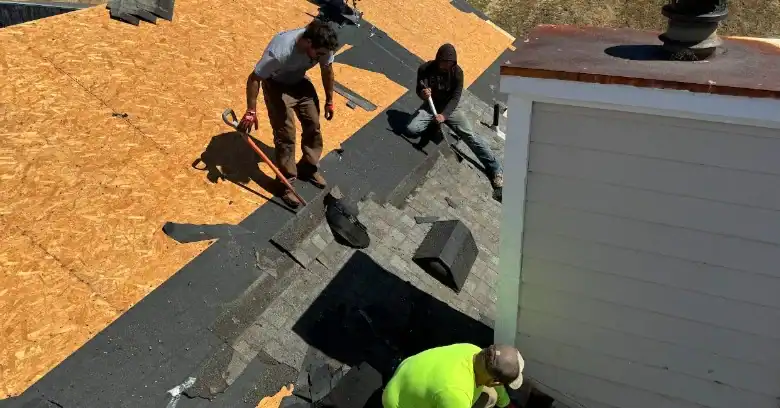
Taking the old roof off is the noisiest and messiest part of the job, and protecting the driveway and plants is worth asking about. Soft or split sheathing is cut out and new panels are fastened down, since good materials laid over a weak deck do not last.
Waterproofing Beneath the Surface
Underneath the visible covering sits a water-resistant layer that does much of the work, and it is easy to overlook. Once the underlayment is down, the house is considered dried in, and the finished surface is installed over a sound base.
Small Metal Pieces, Large Consequences
Flashing is the thin metal that keeps water out where the roof meets something else, and reusing old flashing under a new roof often comes back to bite. Pipe seals made of soft materials fail early in strong sun, so this is an easy step to ask about.
Attic Airflow
A roof without enough ventilation bakes the attic and everything stored in it, and a proper system draws air in low and sends it out high. A ventilation plan is worth a conversation before the job starts, so ask how the attic will breathe once the work is done.
The Last Day on Site
When the last piece is installed, the cleanup begins, so gutters are checked and cleared of loose granules. Looking at the ridge, the valleys and the flashing with the roofer present is time well spent, and a saved record answers questions nobody has thought to ask yet.
Approvals Before the Work Starts
Rules about reroofing differ from one city to the next, because surprises at the counter slow everything down. Areas with wildfire exposure often have extra requirements for roofing materials and vents, and a roofer working in the area should already know them. A proposal that names its materials and steps is easier to compare, so compare any two side by side.
What Happens to the Yard
A busy work site needs boundaries, and that is worth keeping in mind. Cars parked in the driveway can be struck by falling nails or pieces of shingle, and it pays to think it through. The attic gets dusty during tear-off, and anything stored there will notice, and it is best done the night before.
The Few Days of Commotion
A simple roof may go quickly while a complicated one takes longer, and nobody can promise a date through a rain delay. Roof work is loud, and the street will hear it, and early starts mean early noise. The loudest stretch is the tear-off, and it passes quickly, and that is worth keeping in mind.
Questions That Reveal the Difference
Ask how the roof will be ventilated and how the flashing will be handled, and listen to how the answer is given. A proposal that only says shingles or tile is not specific enough, and take your time reading it. Ask what happens if something unexpected turns up under the old roof, and the details are worth a closer look.
Maintenance After the Job
A roof needs less attention than most parts of a house, but it needs some, and the best times are before the rainy season and after the first big storm. Debris on the roof holds moisture and wears the surface, so it is worth doing before summer ends. Missing pieces, lifted edges or a new stain are all reasons to have someone look, and the earlier the better.
When to Schedule the Work
Planning ahead usually gives better choices than reacting to an emergency, so a few weeks of lead time is common. Late summer is hot but dependable, and crews are usually busy, and the best season is often the one that fits your calendar.
What the Crew Sees Inside the House
When the old roof comes off, the crew sees the underside of the deck, and stains, rust on nail tips and darkened wood tell the story of past leaks, and the findings can change the scope.
Getting Started in Santa Maria California
Questions about Residential Roofing Services in Santa Maria California begin with a short phone call, so use 805-723-2381 to talk through the roof and the next step. Every roof is different, so every conversation starts from the house itself, and the roof will tell the story once someone looks. Taking the first step is usually the hardest part of any home project, and nobody will rush you.
Verified

Verified
Verified
Verified
Verified






















