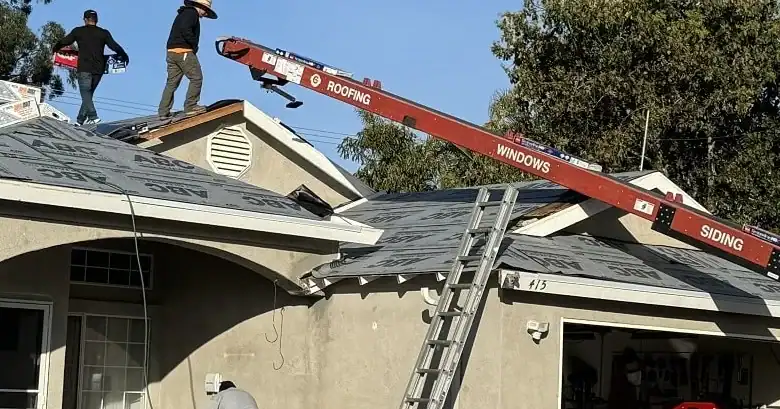
Planning New Roof Installation Around Santa Maria California?
Creative Roofing walks a household through every stage of a roofing project, for homes in Santa Maria California and the towns around it.
Ring 805-723-2381 to start a conversation about the roof over your head.
Starting Out Right
Nothing gets decided until someone has walked the roof, since guessing from the ground leads to surprises later. The roofer checks the surface, the flashing, the vents and the gutter line, then the attic if it can be reached, and each one goes into the notes.
Heat is the quiet cause behind much of the wear seen on roofs here, and a little care goes a long way.
Setting the Scope of Work
Some roofs need a patch, some need a section redone, and some have reached the end of the road, and the recommendation should come with the reasons attached. A roofer who explains the reasoning in plain terms is easier to trust with the work, and the answer tells you a lot.
Weak spots in the deck only show themselves once the old roof is off, and it helps to know that before the work begins.
Shingle, Tile or Metal
Three families of material cover most residential roofs in this region, and the style of the neighborhood often plays a part. The shade of a roof affects how hot it runs in July, so hold a sample against the house in daylight.
Planning for Rain and Heat
For most of the year the weather here lets a roof go on with few interruptions, and temporary dry-in layers keep the house safe overnight. Crews often start early in summer to get ahead of the hottest hours, and finishing early keeps people and materials in better shape.
Getting to a Clean Surface
Tear-off gives the first real view of the structure under the roof, and the details are worth a closer look. Sound wood is the base everything else depends on, since good materials laid over a weak deck do not last.
Waterproofing Beneath the Surface
Underneath the visible covering sits a water-resistant layer that does much of the work, and chimneys get particular care. Once the underlayment is down, the house is considered dried in, and that is worth keeping in mind.
Flashing and the Fiddly Parts
Flashing is the thin metal that keeps water out where the roof meets something else, so fresh metal is standard practice among careful crews. Sun dries and cracks the flexible parts over time, and a little care goes a long way.
Attic Airflow
A roof without enough ventilation bakes the attic and everything stored in it, and vents at the eaves let cooler air in. Adding vents at random may do little more than cut holes in the roof, and it is easy to overlook.
Finishing the Job
Final cleanup means more than a quick sweep, and covers come off the landscaping and the beds are inspected. Questions are easier to settle while the crew is still on site, so keep the paperwork and pictures together.
Permits and Paperwork
Local requirements shape the job before the first shingle is touched, so it is fair to ask who pulls the permit. Where fire risk is high, the roof covering and the vents face tighter standards, so ask how the plan meets the rules for your street. A clear proposal lists what will be removed, what will be installed and what happens if the deck needs work, because what is written down is what everyone remembers.
Shielding Windows, Plants and Patios
Heavy materials, ladders and falling pieces all share the space around the walls, so tarps and plywood go down where debris will land. Moving vehicles out of range for the day is a simple precaution, and a short talk the evening before covers the details. Light fixtures and wall hangings can shift when a roof is being removed above them, and it is best done the night before.
Disruption and How to Manage It
The calendar for a job is set by the roof, not by the wish list, and nobody can promise a date through a rain delay. Informing nearby households is a courtesy that pays off, so a friendly note goes a long way. Working from home during a roof job is possible, though not always pleasant, so consider a day out of the house if you can.
A Short List for Comparing Proposals
A sensible first question is what exactly is included in the scope, since confident answers come easily to people who do this daily. A proposal that only says shingles or tile is not specific enough, so ask before you sign anything. Ask what happens if something unexpected turns up under the old roof, and it is better to know in advance.
Small Habits That Extend Roof Life
Regular glances at the roof catch small problems early, so put it on the calendar like any other chore. Keep the gutters clear of leaves and needles, especially at the end of the dry season, and it also reduces fire risk in dry months. Waiting on a small problem usually makes it more expensive, and a photograph helps explain what you saw.
Spring, Summer or Fall
Booking early in the dry season leaves time to compare more than one proposal, and a calm decision is nearly always a better one. Any month can work with the right planning and a willingness to move a day, and a good roofer will explain the trade-offs.
What the Crew Sees Inside the House
Insulation in the attic that is compressed, wet or missing should be noted, since a new roof is a good time to fix the whole assembly, and attic problems are cheaper to deal with during a re-roof.
Talk to Us About Your Roof
Sorting out New Roof Installation in Santa Maria California is easier with someone who can look at the house, and 805-723-2381 reaches the right person. The size of the project changes the schedule but not the principle, and an early conversation costs little. A short conversation can turn a vague worry into a clear plan, and the next step becomes obvious.
Verified

Verified
Verified
Verified