
Searching for Roof Maintenance Around Santa Maria California?
Creative Roofing handles the planning, the tear-off and the cleanup of a roof job, for homes in Santa Maria California and the towns around it.
Reach out at 805-723-2381 and tell us what has you thinking about the roof.
Before Anything Is Torn Off
Before any material is chosen, the existing roof has to be understood, because the rest of the plan rests on the findings from that look. A proper look covers the slopes seen from the yard and the ones that are not, and that is the evidence a sensible plan is built on.
Sun and heat age a roof in ways that rain alone never would, so the south and west slopes get the closest attention.
Deciding What the Roof Needs
A roof can be repaired, partly rebuilt or removed entirely, and the evidence decides what is done, and the details are worth a closer look. Damage should be shown rather than only described, and the answer tells you a lot.
Rotted or soft sheathing changes the plan and often the schedule, and it helps to know that before the work begins.
Shingle, Tile or Metal
Three families of material cover most residential roofs in this region, since heavy coverings need a frame built to carry them. A roof that faces strong sun all afternoon behaves differently depending on its shade, and it pays to look at them at different times of day.
Timing the Work
Roofing here follows the weather more than the calendar, and it pays to think it through. Roof surfaces get hot enough in July to change how materials behave, so an early knock on the door is nothing to worry about.
Getting to a Clean Surface
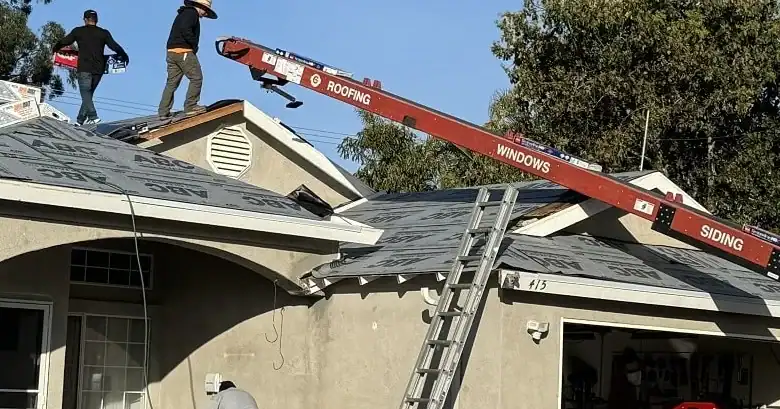
Removal of the old material is where the project gets loud, and the details are worth a closer look. The deck is checked, mended and made flat for the next layer, and it is easier to fix now than after the roof is finished.
Protection Under the Covering
The surface you see is only the outer layer of a roof, and chimneys get particular care. Once the underlayment is down, the house is considered dried in, and the finished surface is installed over a sound base.
Small Metal Pieces, Large Consequences
The places where a roof is interrupted are the places most likely to leak, and the cost is small next to the roof it protects. Pipe seals made of soft materials fail early in strong sun, so this is an easy step to ask about.
Ventilation in a Warm Climate
Attic heat is behind many worn roofs and many large cooling bills, so vents near the ridge give the hot air a way out. The design of the system matters more than the number of vents, and it is easy to overlook.
The Last Day on Site
Once the roofing is done, the property has to be put back in order, so gutters are checked and cleared of loose granules. Photographs of the completed work are worth having for your own records, and a saved record answers questions nobody has thought to ask yet.
Approvals Before the Work Starts
Local requirements shape the job before the first shingle is touched, and a little care goes a long way. Certain hillside and edge-of-town areas follow stricter material rules than the valley floor, and the proposal should reflect them. Written proposals should describe the materials, the scope and the cleanup in plain words, so keep a copy where you can find it.
Protecting the House and Yard
The ground around a house takes a beating during a roof project, and it is reasonable to ask how this will be done. Pets, children and cars are best kept away from the work area, and it pays to think it through. Attic contents are best covered or moved before the work starts, so it is wise to take down fragile pictures first.
The Few Days of Commotion
A simple roof may go quickly while a complicated one takes longer, and plan on some slack for the weather. Roof work is loud, and the street will hear it, so a friendly note goes a long way. The loudest stretch is the tear-off, and it passes quickly, and everything returns to normal once the crew packs up.
Questions Worth Asking Before You Agree
Ask how the roof will be ventilated and how the flashing will be handled, and it pays to think it through. Product names and thicknesses on the proposal let you compare like with like, and take your time reading it. A change in scope should be written down and approved before the work continues, and it is better to know in advance.
Looking After a New Roof
Even a new roof benefits from an occasional look from the ground, and the best times are before the rainy season and after the first big storm. Debris on the roof holds moisture and wears the surface, so it is worth doing before summer ends. A prompt visit after damage keeps a minor repair minor, and the earlier the better.
When to Schedule the Work
Waiting for the first storm to find the weak spot means hiring in a hurry, and calling in spring avoids the rush. Winter work happens too, with crews watching the forecast closely, and the covering you choose affects the timing as well.
Insulation, Ducts and Cables Under the Roof
Rust on the points of roofing nails and dark patches on the sheathing are signs that moisture has been present for some time, and attic problems are cheaper to deal with during a re-roof.
Getting Started in Santa Maria California
A call is the simplest way to begin planning work in Santa Maria California, and 805-723-2381 reaches the right person. Large or small, a roofing project goes best when the plan is clear before the work starts, and an early conversation costs little. A short conversation can turn a vague worry into a clear plan, and that is a good place to begin.
Verified

Verified
Verified
Verified
Verified






















