
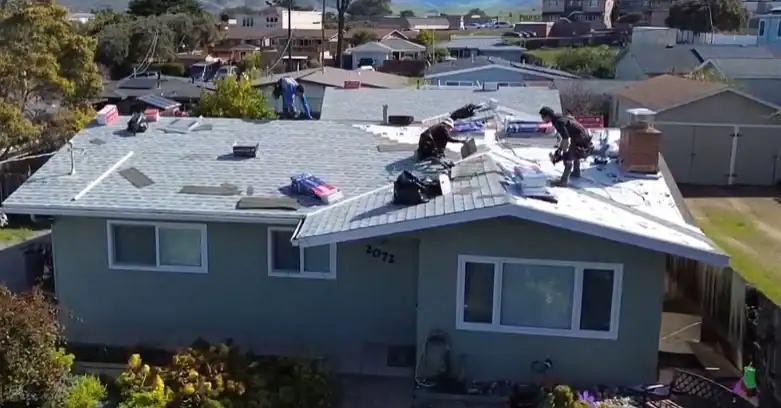
Looking for Roofing Contractor Near Santa Maria California?
Creative Roofing handles the planning, the tear-off and the cleanup of a roof job, working in Santa Maria California and nearby.
Phone 805-723-2381 to start a conversation about the roof over your head.
Day One of a Roof Project
The first visit is about gathering facts rather than picking a product, since guessing from the ground leads to surprises later. Photographs taken on that first visit become the record for everything that follows, and each one goes into the notes.
Sun and heat age a roof in ways that rain alone never would, and the sunniest side is usually the oldest-looking side.
Deciding What the Roof Needs
Not every worn roof needs replacing, and not every leak is a small one, and the recommendation should come with the reasons attached. Findings that cannot be pointed to are findings worth questioning, because you are the one living under the result.
When the decking underneath is damaged, the scope of the job grows, and it is easy to overlook.
Material Decisions
Homeowners usually end up comparing shingles, tile and metal panels, so structure comes first and appearance second. The shade of a roof affects how hot it runs in July, and it pays to look at them at different times of day.
Timing the Work
For most of the year the weather here lets a roof go on with few interruptions, so exposed areas get covered at the end of each day. On very hot afternoons shingles soften and workers slow down, and the plan bends to the heat rather than the other way around.
Tear-Off and Preparation
Old roofing comes off in layers, down to the bare decking, and protecting the driveway and plants is worth asking about. Repairs to the deck happen now, before anything new is installed, and skipping the step shortens the life of an otherwise good roof.
Protection Under the Covering
Much of the protection a roof offers is out of sight, and chimneys get particular care. Drying in gives the crew a margin against surprise weather, and rows are laid from the eave upward, each lapping the last.
Where Roofs Meet Walls and Pipes
Chimneys, skylights, vent pipes and walls all need flashing worked into the roof, so fresh metal is standard practice among careful crews. The seal around a vent pipe rarely lasts as long as the surface around it, so this is an easy step to ask about.
Keeping the Attic Cooler
Warm air trapped under the deck works on the roof from below, and a proper system draws air in low and sends it out high. More vents are not always better, because intake and exhaust have to be balanced, and the answer should be part of the proposal.
The Last Day on Site
Once the roofing is done, the property has to be put back in order, and that is part of the work, not an extra. Looking at the ridge, the valleys and the flashing with the roofer present is time well spent, and it only takes a few minutes.
Local Rules and Paper Trails
Local requirements shape the job before the first shingle is touched, and a little care goes a long way. Where fire risk is high, the roof covering and the vents face tighter standards, so ask how the plan meets the rules for your street. Written proposals should describe the materials, the scope and the cleanup in plain words, so keep a copy where you can find it.
Protecting the House and Yard
A busy work site needs boundaries, and plants and patio furniture are moved or covered. The area under the eaves is the one to avoid, so tell the crew about anything fragile or valuable. Light fixtures and wall hangings can shift when a roof is being removed above them, and a little care goes a long way.
Noise, Neighbors and Daily Life
Most residential projects are finished within days, not weeks, and plan on some slack for the weather. Roof work is loud, and the street will hear it, and it is easy to overlook. The loudest stretch is the tear-off, and it passes quickly, and the noise settles once the old roof is gone.
What to Ask Every Roofer
Ask how the roof will be ventilated and how the flashing will be handled, and listen to how the answer is given. Ask for the materials by name and manufacturer so you can look them up, and take your time reading it. Talk through how changes to the plan will be handled and agreed, and settle it before the first day.
Keeping a Roof in Good Shape
A roof needs less attention than most parts of a house, but it needs some, so put it on the calendar like any other chore. Keep the gutters clear of leaves and needles, especially at the end of the dry season, so it is worth doing before summer ends. Missing pieces, lifted edges or a new stain are all reasons to have someone look, and the earlier the better.
When to Schedule the Work
Planning ahead usually gives better choices than reacting to an emergency, and the schedule fills quickly once the rains end. Late summer is hot but dependable, and crews are usually busy, so do not feel the choice is locked in.
Attic Findings That Change the Plan
When the old roof comes off, the crew sees the underside of the deck, and stains, rust on nail tips and darkened wood tell the story of past leaks, so ask the roofer to look inside as well.
Start the Conversation
A call is the simplest way to begin planning work in Santa Maria California, so dial 805-723-2381 and say what you are seeing. Whether the job is a small section or a whole house, the questions are much the same, and an early conversation costs little. Taking the first step is usually the hardest part of any home project, and the next step becomes obvious.
Verified

Verified
Verified
Verified