
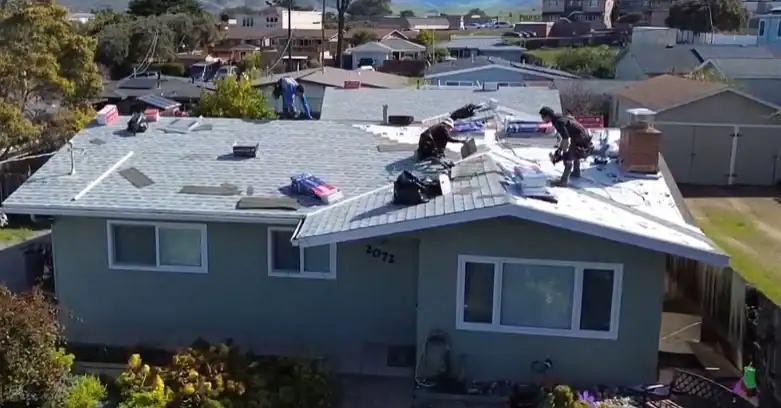
Planning Roofing Replacement Near Santa Maria California?
Creative Roofing takes a roofing job from the first look to the last sweep of the yard, working in Santa Maria California and nearby.
Ring 805-723-2381 to set up a time for someone to look at the roof.
The First Step in a Roofing Project
The first visit is about gathering facts rather than picking a product, and the notes from that visit steer every later choice. Signs of wear on top often point to a moisture problem underneath, so the visit usually takes longer than people expect.
Heat is the quiet cause behind much of the wear seen on roofs here, so the wear is rarely even from one side to the next.
Setting the Scope of Work
The right answer depends on how much sound material is left on the house, and the recommendation should come with the reasons attached. Ask to see the problem areas, either in photographs or from the ladder, and the answer tells you a lot.
Wood that has been wet for a long time has to be cut out and replaced, and it is easy to overlook.
Picking a Roof Covering
Asphalt shingles, concrete or clay tile and standing seam metal are the coverings most often put on homes here, since heavy coverings need a frame built to carry them. The shade of a roof affects how hot it runs in July, and that is worth keeping in mind.
Scheduling Around the Weather
Dry months are the busy season for roofing, since an open roof and rain do not mix, and temporary dry-in layers keep the house safe overnight. The temperature on the roof can run well above the temperature in the shade, and the plan bends to the heat rather than the other way around.
Tear-Off and Preparation
Removal of the old material is where the project gets loud, so landscaping and windows are covered before the first piece comes up. The deck is checked, mended and made flat for the next layer, so this is not the place to save time.
Underlayment and Drying In
Much of the protection a roof offers is out of sight, and valleys, eaves and penetrations get extra layers. The house is safest once the second layer is complete, and rows are laid from the eave upward, each lapping the last.
Penetrations and Edges
Flashing is the thin metal that keeps water out where the roof meets something else, and reusing old flashing under a new roof often comes back to bite. The seal around a vent pipe rarely lasts as long as the surface around it, and a little care goes a long way.
Intake and Exhaust
A roof without enough ventilation bakes the attic and everything stored in it, and vents at the eaves let cooler air in. More vents are not always better, because intake and exhaust have to be balanced, so ask how the attic will breathe once the work is done.
The Last Day on Site
A finished roof still leaves a yard full of scraps, nails and packaging, and covers come off the landscaping and the beds are inspected. Looking at the ridge, the valleys and the flashing with the roofer present is time well spent, and a saved record answers questions nobody has thought to ask yet.
What the City Wants to See
Replacing a roof usually involves the local building department in some way, and the process is easier when someone handles it for you. Where fire risk is high, the roof covering and the vents face tighter standards, since the covering you pick has to be one the town accepts. The best paperwork leaves little room for misunderstanding, because what is written down is what everyone remembers.
Keeping the Property Safe
Heavy materials, ladders and falling pieces all share the space around the walls, and that is worth keeping in mind. Moving vehicles out of range for the day is a simple precaution, so tell the crew about anything fragile or valuable. Inside the house, vibration can shake items from shelves and loosen attic insulation, and it is best done the night before.
Noise, Neighbors and Daily Life
Most residential projects are finished within days, not weeks, and the crew should give you a realistic window. Roof work is loud, and the street will hear it, so a friendly note goes a long way. Working from home during a roof job is possible, though not always pleasant, and a plan for the loud days makes them easier.
Questions Worth Asking Before You Agree
Ask how the crew protects the house when rain is in the forecast, since confident answers come easily to people who do this daily. A proposal that only says shingles or tile is not specific enough, and take your time reading it. Ask what happens if something unexpected turns up under the old roof, and settle it before the first day.
Small Habits That Extend Roof Life
Even a new roof benefits from an occasional look from the ground, and little problems stay little. Trim branches that touch or hang over the roof, and that is worth keeping in mind. A prompt visit after damage keeps a minor repair minor, and the earlier the better.
Choosing the Right Season
A roof replaced on purpose goes better than one replaced in a panic, and the schedule fills quickly once the rains end. Any month can work with the right planning and a willingness to move a day, and the covering you choose affects the timing as well.
Insulation, Ducts and Cables Under the Roof
Rust on the points of roofing nails and dark patches on the sheathing are signs that moisture has been present for some time, and attic problems are cheaper to deal with during a re-roof.
Talk to Us About Your Roof
Sorting out Roofing Replacement in Santa Maria California is easier with someone who can look at the house, so use 805-723-2381 to talk through the roof and the next step. A modest repair and a full re-roof both begin with an honest look at the roof, so there is no harm in asking questions first. A short conversation can turn a vague worry into a clear plan, and that is a good place to begin.
Verified

Verified
Verified
Verified
Verified






















