
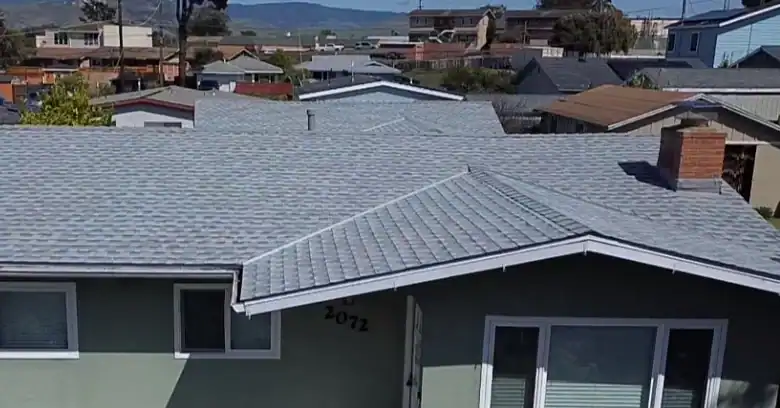
Searching for New Roofing Around Santa Maria California?
Creative Roofing walks a household through every stage of a roofing project, for homes in Santa Maria California and the towns around it.
Call 805-723-2381 and we will talk through what the roof needs.
Day One of a Roof Project
Every roofing job starts with someone climbing up to see what is actually there, and the notes from that visit steer every later choice. A proper look covers the slopes seen from the yard and the ones that are not, so the visit usually takes longer than people expect.
Months of direct sun take a steady toll on whatever covers a house, so the south and west slopes get the closest attention.
Deciding What the Roof Needs
A roof can be repaired, partly rebuilt or removed entirely, and the evidence decides what is done, and the reasons should be easy to follow. Pictures of the trouble spots take the guesswork out of the decision, and the answer tells you a lot.
Hidden damage found during tear-off is the usual reason a project grows beyond its first outline, and agreeing on the approach in advance beats debating it with the roof open.
Choosing Materials for Your Home
The common choices are shingle, tile and metal, and each suits some houses better than others, so structure comes first and appearance second. The shade of a roof affects how hot it runs in July, and that is worth keeping in mind.
Scheduling Around the Weather
Rain arrives in bursts, and a roof that is open when one comes needs protection, and temporary dry-in layers keep the house safe overnight. Roof surfaces get hot enough in July to change how materials behave, so the day usually begins at sunrise.
Tear-Off and Preparation
Old roofing comes off in layers, down to the bare decking, and protecting the driveway and plants is worth asking about. Once the deck is bare, any damaged boards are replaced, so this is not the place to save time.
The Hidden Layers
The surface you see is only the outer layer of a roof, and valleys, eaves and penetrations get extra layers. Reaching this stage quickly is a sensible way to protect the interior, and rows are laid from the eave upward, each lapping the last.
Small Metal Pieces, Large Consequences
Water finds the joints first, so flashing matters, and reusing old flashing under a new roof often comes back to bite. Plumbing vents are among the most common sources of small leaks, so replacing them along with the roof removes a predictable problem.
Air Under the Roof
Heat collects in the space beneath the roof deck unless it has somewhere to go, and vents at the eaves let cooler air in. Adding vents at random may do little more than cut holes in the roof, and it is easy to overlook.
Cleanup and the Final Walk-Through
Final cleanup means more than a quick sweep, and that is part of the work, not an extra. A walk around the finished roof with the roofer is a reasonable thing to ask for, and a saved record answers questions nobody has thought to ask yet.
Permits and Paperwork
Depending on the town, a re-roof may need a permit before any material is ordered, and the answer should be clear from the start. Certain hillside and edge-of-town areas follow stricter material rules than the valley floor, so ask how the plan meets the rules for your street. The best paperwork leaves little room for misunderstanding, and it is worth reading it slowly.
Shielding Windows, Plants and Patios
A busy work site needs boundaries, and plants and patio furniture are moved or covered. Pets, children and cars are best kept away from the work area, and a short talk the evening before covers the details. The attic gets dusty during tear-off, and anything stored there will notice, and a sheet over stored boxes keeps the grit off.
Noise, Neighbors and Daily Life
Timing depends on the size of the roof, the complexity of the layout and the covering chosen, and the details are worth a closer look. Dumpsters and trucks may take up space on the road, and the whole thing is over sooner than it seems. Pets are often the ones most bothered by the commotion, and a plan for the loud days makes them easier.
Questions Worth Asking Before You Agree
A sensible first question is what exactly is included in the scope, and anything left vague deserves a follow-up. Knowing exactly what is going on the house removes a common source of disputes, and a little care goes a long way. A change in scope should be written down and approved before the work continues, and it is better to know in advance.
Maintenance After the Job
Regular glances at the roof catch small problems early, and it is easy to overlook. Trim branches that touch or hang over the roof, and that is worth keeping in mind. Missing pieces, lifted edges or a new stain are all reasons to have someone look, and a photograph helps explain what you saw.
Choosing the Right Season
A roof replaced on purpose goes better than one replaced in a panic, and calling in spring avoids the rush. Winter work happens too, with crews watching the forecast closely, and the best season is often the one that fits your calendar.
Checking the Space Beneath the Deck
Looking at the roof from inside the attic before the work begins reveals water stains, damp insulation and daylight where none should enter, and the findings can change the scope.
Getting Started in Santa Maria California
A call is the simplest way to begin planning work in Santa Maria California, and the number is 805-723-2381. Large or small, a roofing project goes best when the plan is clear before the work starts, and we are glad to talk through the options. The decision often feels bigger before the call than it turns out to be, and that is a good place to begin.
Verified

Verified
Verified
Verified
Verified






















