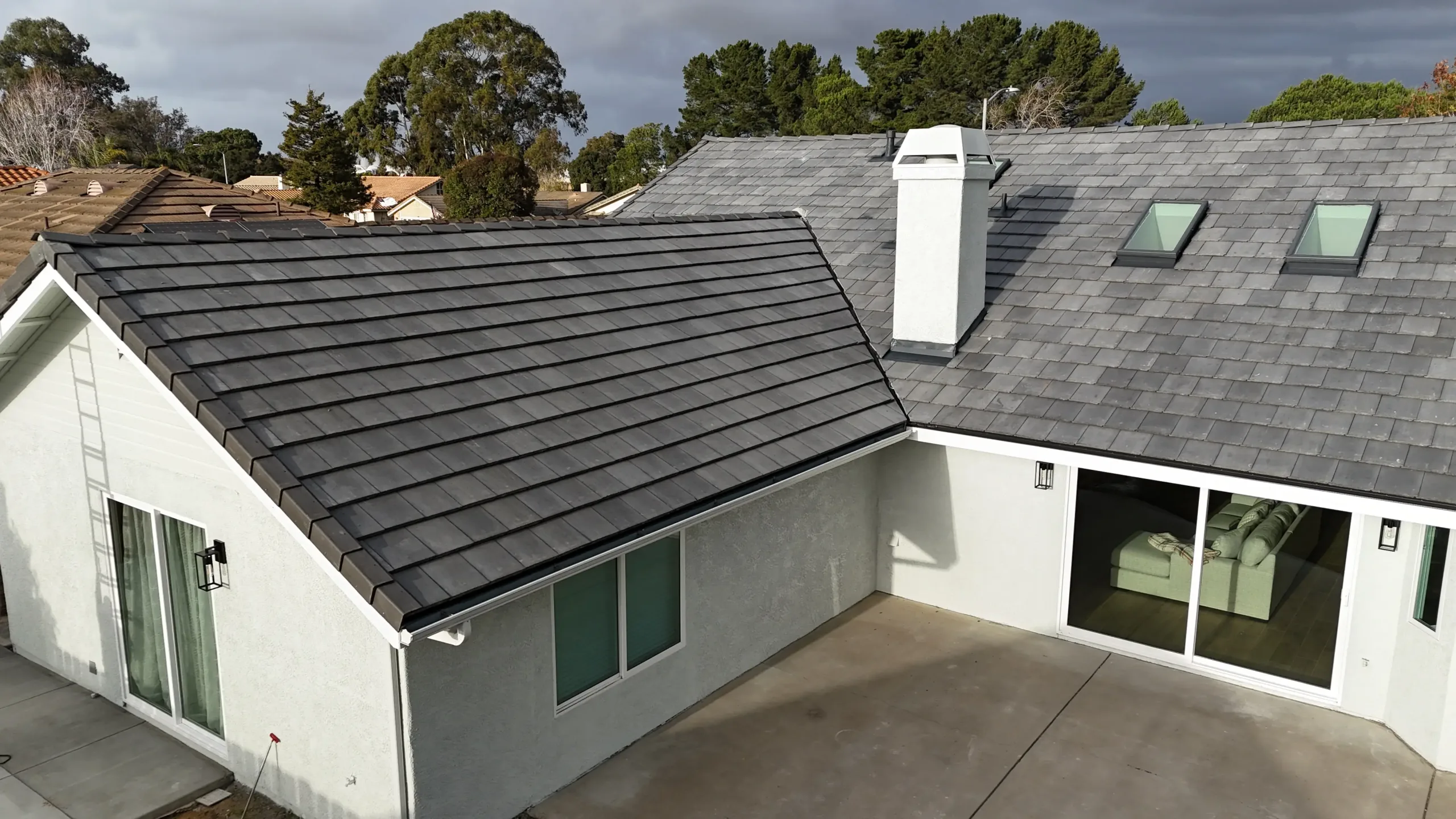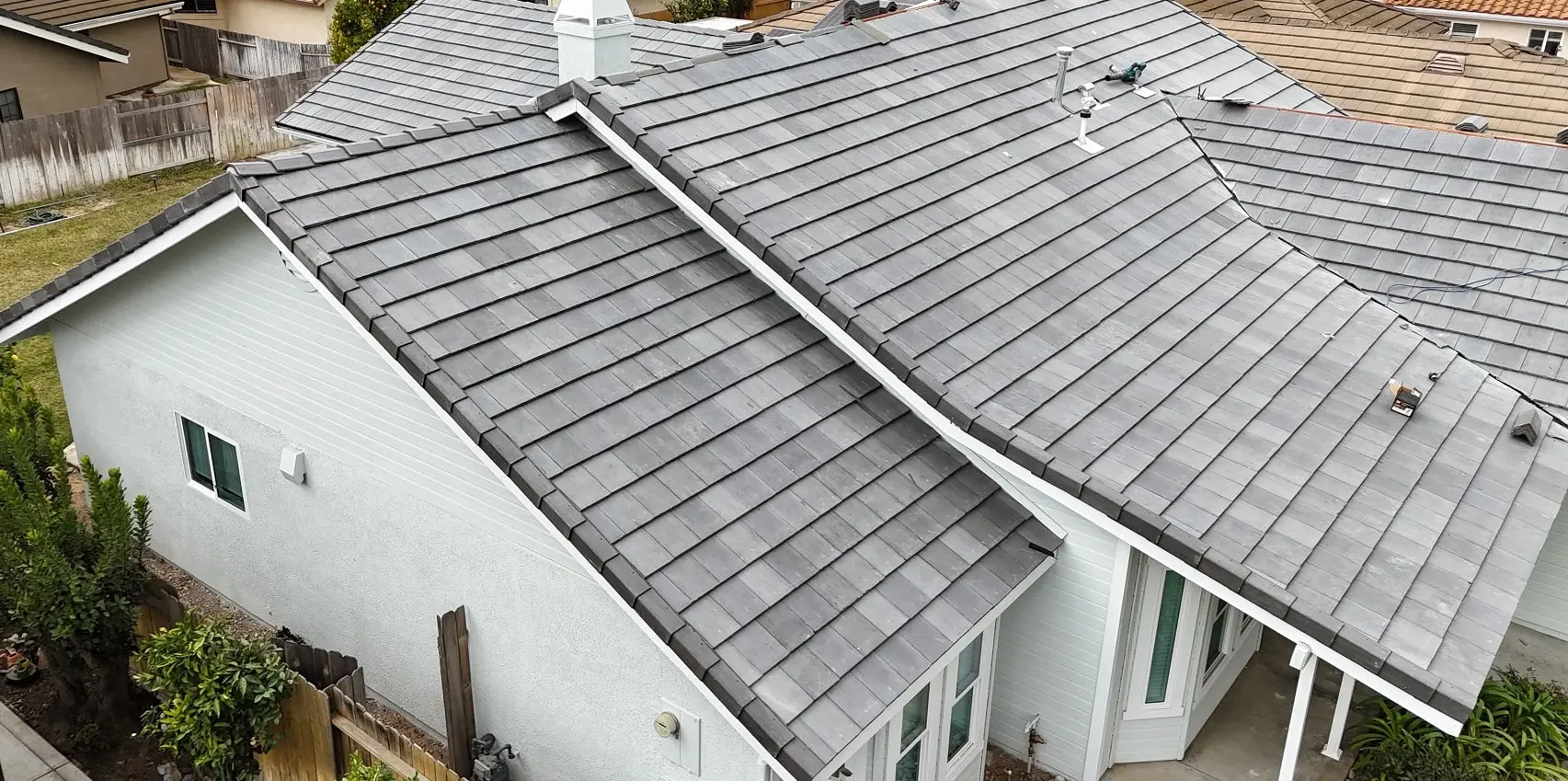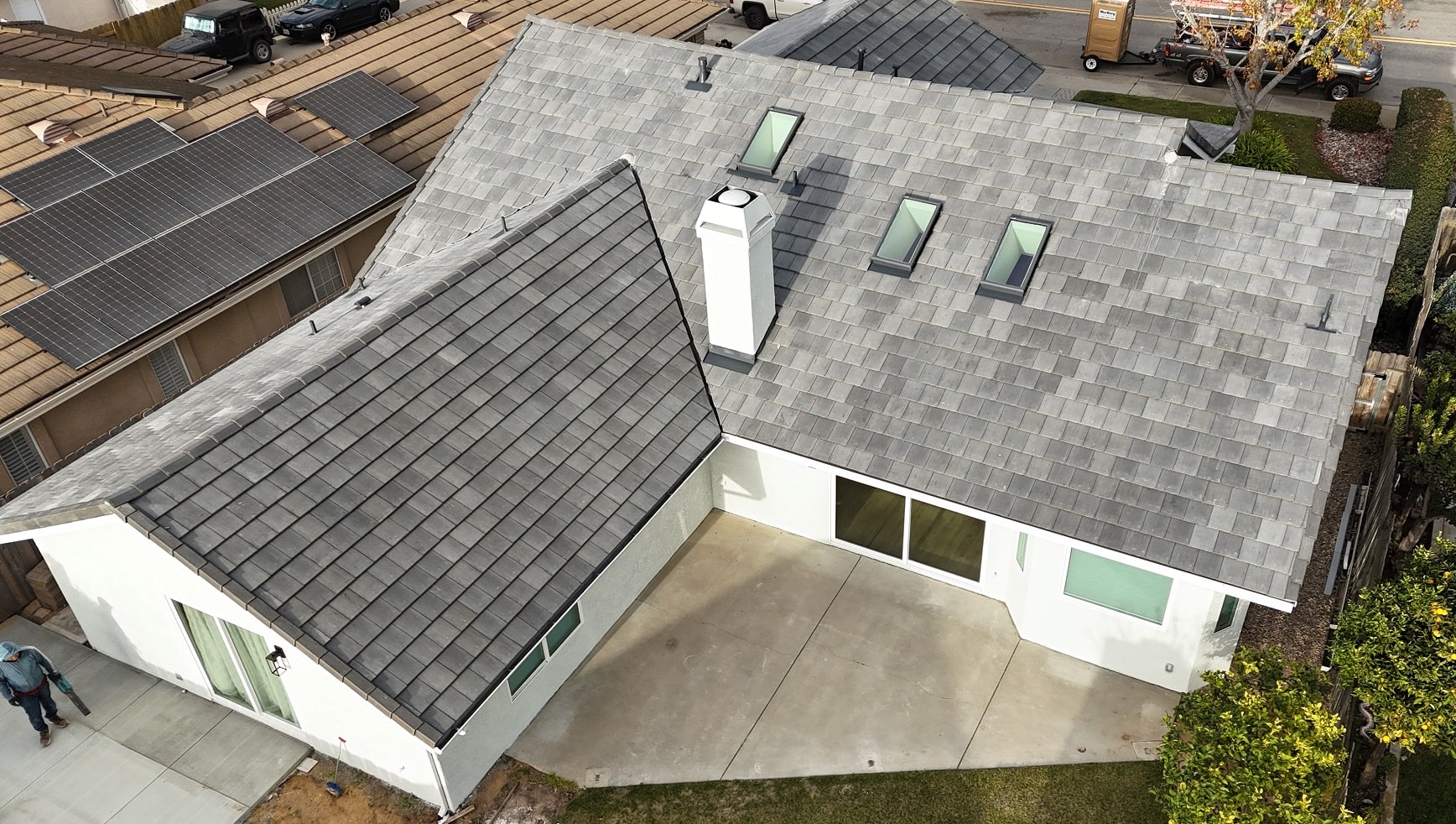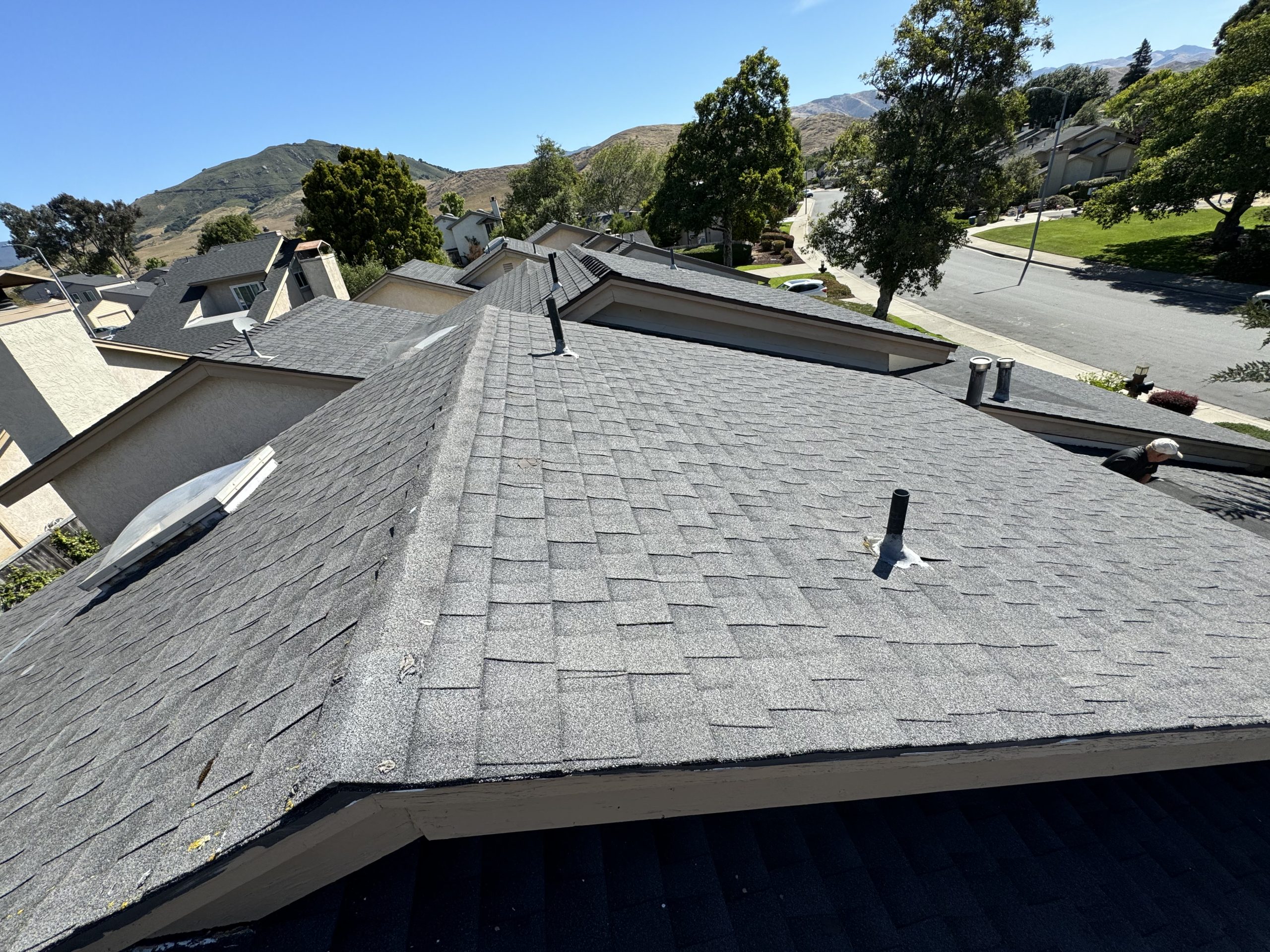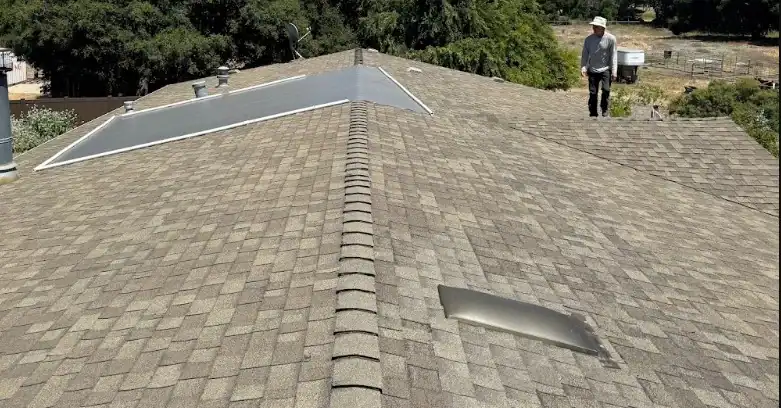
Shopping for Shingle Roofing Installation Close to Santa Maria California?
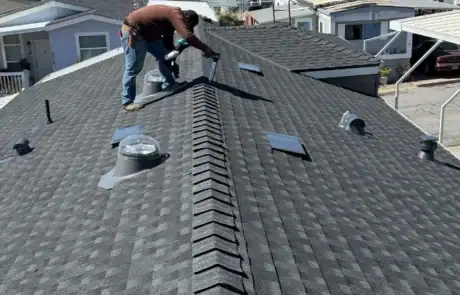
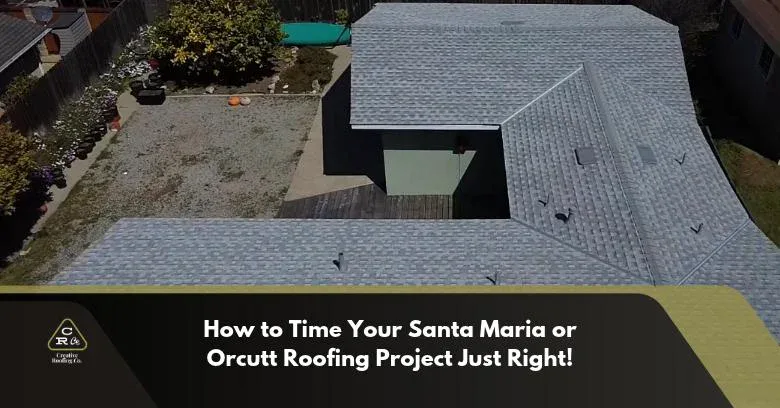
Creative Roofing installs and repairs the shingle coverings found on most houses in the area, throughout Santa Maria California and the neighboring communities.
Dial 805-723-2381 to set up a visit to look at your shingles.
Inside a Shingle
An asphalt shingle is a fiberglass mat soaked in asphalt and covered with ceramic-coated granules, and each part has a job to do. Granule loss is the clearest sign that a shingle is wearing out, and the process only gets faster over time.
Basic, Laminated and Premium
A three-tab shingle has a flat, uniform look and the thinnest profile of any common type, so many homeowners compare it with thicker lines. Architectural shingles are made of two or more laminated layers that give the roof depth and shadow, and colors come in a wide range. Premium and luxury lines go further, with thicker laminates, deeper shadow lines and designer shapes, and it is easy to overlook.
Why Sunny Slopes Age First
The sun does more to age a shingle roof in this region than any other force, so those slopes make a useful gauge of overall condition. Edges that lift, corners that curl and surfaces that crack all point to age, and it pays to think it through.
Color Choices for a Sunny Climate
A pale shade reflects more sunlight than a dark one, which can reduce heat entering the attic, and a sample held up outdoors shows the shade truthfully. Reflective granules can bring a dark color closer to the performance of a light one, and the difference is most noticeable in the hottest months.
Nails, Courses and Starter Strips
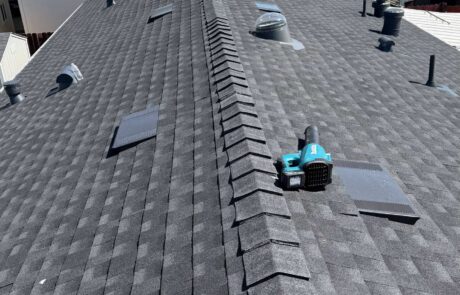
Nails driven too high or too low weaken the hold of the whole course, and check that they are driven flush. Offsetting the seams from row to row keeps leaks from lining up, and that is worth keeping in mind. The cap shingles on a ridge take extra abuse from sun and wind, and a sloppy ridge is a common weak spot.
Holding Down Under Pressure
Heat from the sun is what finishes the job on a new roof, and checking for lifted tabs after a windy spell is a good habit. Strong seasonal winds can lift tabs that have lost their seal and tear them off the roof, and the details are worth a closer look.
Attic Ventilation and Shingle Life
Poor ventilation is one of the quietest causes of early shingle failure, and the plan should be part of the proposal. Adding insulation without maintaining airflow can make an attic hotter in summer, and a roofer can assess the layout in a short visit.
The Details Beneath and Beside the Field
Self-adhering membranes at the eaves and valleys give extra protection where leaks start, and a better underlayment costs little in the whole job. Chimneys, walls and skylights need step flashing and counterflashing worked into the shingle courses, and a careful crew takes extra time at the details.
Signs of Wear and Choosing Repair or Replacement
Cracks, missing pieces and exposed nails are all signals worth acting on, so take the whole picture into account. Isolated problems from a branch or a loose tab respond well to a simple repair, and a good roofer will tell you when a repair is enough. A roof that is worn out everywhere will keep leaking in new places however many patches it gets, and the new roof will perform better than a patched old one.
What Lies Under the Existing Roof
Most shingle replacements begin with a full tear-off, in which the old layers are stripped away and the plywood or boards beneath are laid bare, and the bare deck is also the moment to check ventilation openings. Putting a second layer on a tired roof can trap heat and moisture between the layers and shorten the life of both, so ask for both options in writing. Agreeing on how replacement boards are measured and charged prevents a dispute halfway through the job, and the details are worth a closer look.
Keeping the Yard Safe During a Shingle Job
A shingle tear-off throws old material in every direction, so a careful crew covers plants, vents and the ground before the first piece comes off, and a little preparation prevents most complaints. A professional crew checks the ground more than once, including the gutters, where granules and nails often collect, and the work is not finished until the cleanup is. Checking the gutters after the first big rain is a good habit, and it takes only a few minutes, so make it part of the routine.
Choosing the Right Season for Shingles
A roof installed in warm weather bonds sooner than one finished in cool, damp conditions, and that early bond helps in wind, and the busiest months fill up quickly. Crews adjust to the heat by working early and finishing before the worst of the afternoon, which protects the material and the people, and patience pays off in the finished roof.
Rooftop Additions and Shingle Work
Roofers work around fixed obstacles all the time, but each one adds time and adds a place where water might enter, and it is easy to overlook. Ideally the roof is renewed before panels are installed, so that the new system is not removed again within a few seasons, and get the plan in writing.
Blending New Shingles Into an Older Roof
Older shingles lose color and granules in the sun, so a few fresh ones will stand out until the surrounding roof catches up, so ask the roofer what to expect.
The Edge Details That Finish a Shingle Roof
The roofline is where the roof and the rest of the house meet, and it deserves attention during any replacement, and ask the roofer to flag any rot.
Comparing Shingle Roofing Proposals
A good proposal names the shingle line, the color, the underlayment and the flashing materials, and the line items let you compare two bids fairly. Ask about the schedule and how the roof will be covered if rain is forecast, and compare the replies from each company.
Ready to Compare Options
Homeowners weighing Shingle Roofing Installation in Santa Maria California can begin by describing the house and the look they want, so dial 805-723-2381 when it suits you. Even a quick call can clear up questions about shingle grades, colors and timing, and that is worth keeping in mind.
Verified

Verified
Verified
Verified
Verified