
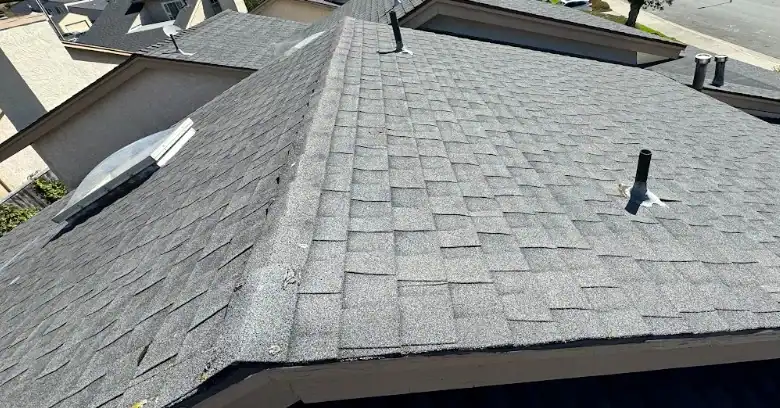
Thinking About Shingle Roof Maintenance Around Santa Maria California?
Creative Roofing lays asphalt, architectural and designer shingles over carefully prepared decks, serving homeowners in Santa Maria California and beyond.
Ring 805-723-2381 and we will go over what a shingle roof involves.
Layers You Cannot See From the Street
The common residential shingle starts as a reinforcing mat, which is coated with asphalt and then surfaced with mineral granules, and the granules protect the asphalt from the sun. Without a surface of mineral granules, the asphalt beneath would dry and crack in a short time, and bare patches show up as dark spots.
Three-Tab, Architectural and Designer Lines
The basic strip shingle is a simple product with a simple appearance, and the saving is real but so is the shorter life. Most new roofs on houses today use architectural shingles, which look richer and resist wind better, and colors come in a wide range. Premium and luxury lines go further, with thicker laminates, deeper shadow lines and designer shapes, so the roof feels more substantial.
Strong Sun on Asphalt
Long dry summers bake a shingle roof for months with very little relief from rain, so those slopes make a useful gauge of overall condition. Curling, cracking and blistering are the typical signs of a shingle that has had too much heat, so they deserve attention before the rainy season.
Color, Reflectivity and Cooling
Lighter shingles reflect more of the summer sun and keep the roof surface cooler, and a sample held up outdoors shows the shade truthfully. Reflective granules can bring a dark color closer to the performance of a light one, and the difference is most noticeable in the hottest months.
Nails, Courses and Starter Strips
The nailing line printed on the shingle marks where fasteners must go for the best grip, and a crew that cuts corners here causes trouble later. Starter shingles at the bottom edge anchor the first row and keep wind from getting underneath, and that is worth keeping in mind. The cap shingles on a ridge take extra abuse from sun and wind, and it pays to think it through.
How Shingles Resist Wind
Seal strips need warmth to activate, which is why roofs installed in cool weather may take longer to bond, and the nails hold the rest. Pieces that blow off expose the underlayment, which is not meant to sit in the sun, and a roofer can reseal tabs with a dab of roofing cement.
Keeping the Attic Breathing
A hot attic cooks the shingles from underneath, and the damage adds to what the sun does on top, so check that the soffit openings are not blocked by insulation. The right combination depends on the shape of the roof and the size of the attic, and that is worth keeping in mind.
The Details Beneath and Beside the Field
The underlayment is the water-resistant layer under the shingles that catches whatever gets past the surface, and a better underlayment costs little in the whole job. An open valley shows a strip of metal, while a closed valley is covered with shingles, so quality work here matters a great deal.
Signs of Wear and Choosing Repair or Replacement
Cracks, missing pieces and exposed nails are all signals worth acting on, and early action keeps choices open. Patching makes sense when the damage is limited and the shingles are otherwise healthy, and the savings can be substantial. A roof that is worn out everywhere will keep leaking in new places however many patches it gets, and a full replacement gives a fresh start.
The Deck Decides What Happens Next
A complete tear-off lets the roofer inspect each sheet of decking and replace any that has been stained, softened or split, and it pays to think it through. Local rules often limit the number of layers a roof may carry, and many roofers prefer a clean start in any case, and the decision deserves a little thought. Agreeing on how replacement boards are measured and charged prevents a dispute halfway through the job, so ask how surprises will be handled.
Keeping the Yard Safe During a Shingle Job
A shingle tear-off throws old material in every direction, so a careful crew covers plants, vents and the ground before the first piece comes off, and move vehicles and furniture the night before. Tires and bare feet find stray nails more often than anyone expects, so a thorough pickup at the end is essential, and that is worth keeping in mind. Gutters should be cleared of granules and debris once the new roof is on, since the first rains will wash any leftovers into the downspouts, and it pays to think it through.
Planning Around Rain and Heat
Asphalt shingles seal themselves down with heat from the sun, so warm, dry days produce the best bond and the neatest finish, and flexibility makes scheduling easier. Very hot afternoons can scuff new shingles underfoot and make nails harder to drive cleanly, so many crews start at dawn in midsummer, so an early arrival is nothing to worry about.
Coordinating With Other Trades
Roofers work around fixed obstacles all the time, but each one adds time and adds a place where water might enter, and mention any plans to add more later. Ideally the roof is renewed before panels are installed, so that the new system is not removed again within a few seasons, and get the plan in writing.
Blending New Shingles Into an Older Roof
A roofer can often borrow shingles from a hidden slope or the back of the house to repair a more visible area, which gives the best match, and a small color difference is not a defect.
The Edge Details That Finish a Shingle Roof
Shingles should overhang the drip edge by a small, consistent amount so that water drops cleanly into the gutter instead of curling back under, and ask the roofer to flag any rot.
Apples to Apples
A proposal that only says new shingles leaves out the details that matter, so ask for details in writing. Check what happens if damaged sheathing is found once the old roof is off, so take notes during the conversation.
Next Steps for Your Roof
Homeowners weighing Shingle Roof Maintenance in Santa Maria California can begin by describing the house and the look they want, so use 805-723-2381 to set up the next step. There is no pressure in asking about a new roof, so reach out whenever you are ready.
Verified

Verified
Verified
Verified
Verified






















