
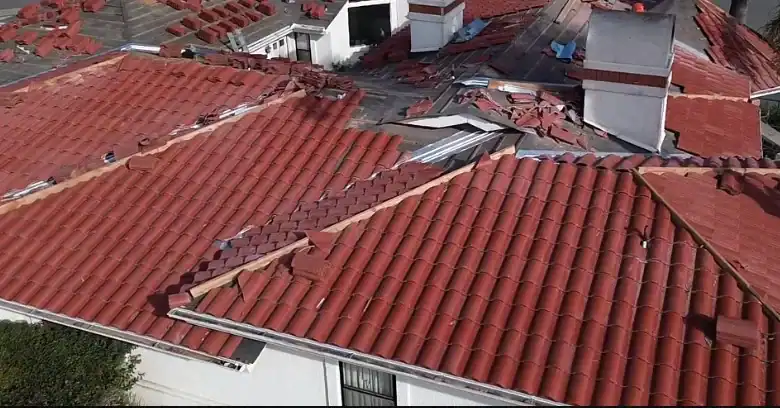
Researching Tile Roofing Serving Santa Maria California?
Creative Roofing works with clay and concrete roofing units, from a single cracked piece to a full re-lay, from Santa Maria California out to the surrounding area.
Call 805-723-2381 and describe the roof and what you are seeing.
Basics of a Roof Built From Individual Pieces
The surface you see is only the first line of defense on a roof like this, and that is worth keeping in mind. Natural clay holds its color for a very long time, while concrete may need more attention to its finish, and the look varies enormously.
Weight, Framing and What the House Can Carry
Heavy coverings put real stress on rafters, trusses and walls, which is why the structure is checked first, and a little care goes a long way. Even a roof originally built for heavy units can lose strength over time if water has damaged the wood, and a careful contractor raises the issue unprompted.
What Sits Beneath the Pieces
The units shed most of the rain, but the underlayment beneath is the layer that actually keeps the house dry, and it is easy to overlook. Replacing the underlayment when the units are removed gives the roof a fresh start, and the answer says a lot about the contractor.
Strong Sun and Fired Surfaces
The heavy mass of the pieces absorbs heat during the day and releases it slowly at night, and the weight helps with wind as well. Efflorescence, a white powdery bloom, can show on concrete units and is mostly cosmetic, and it fades or washes off with time.
Walking on a Fragile Roof
Slipped pieces that have shifted out of line leave gaps that rain can reach, and waiting makes the repair more expensive. Asking other trades to avoid walking on the roof prevents a lot of broken pieces, and a good roofer will always carry a supply.
Flashing, Valleys and Ridges
Metal flashing and sealant protect these joints, and both age in strong sun, and that is worth keeping in mind. The cap line at the top of the roof is one of its most exposed areas, and a clean ridge line is a sign of good care.
Wildfire Season and Fire Resistance
Some systems use a mechanical clip at every piece, while others rely on adhesive along the edges, so ask how the pieces will be held down. A tight installation with proper closures resists embers better than a loose one, and the pieces themselves are only part of the answer.
Matching the Work to the Condition
A re-lay means lifting the units, replacing the underlayment and flashing, and setting the pieces back in place, and the savings from a re-lay can be considerable. A full replacement is a bigger project, but it resets the clock on the entire roof, and that is worth keeping in mind.
Holding the Pieces Together
Cement bedding has been the traditional method for capping a ridge, but it is rigid and breaks as the roof flexes with temperature, so ask how the pieces will be held in place. Gaps at the ridge need the same attention, since embers and animals will find any opening, and a little care goes a long way.
Dirt, Lichen and Cosmetic Wear
Surface growth tends to be slower in dry summers, though shaded areas may still collect some, and a sealer can slow the return of stains. Soft washing with a mild solution and a gentle rinse removes growth without harming the surface, and a post-cleaning inspection is a good idea.
Felt, Synthetic and Self-Adhering Options
High-temperature rated products suit the hot conditions found beneath dark units on a sunny slope, and that is worth keeping in mind. A sticky rubberized sheet seals around fasteners and clings to the deck, providing waterproofing even if the surface layer is breached, and it adds only modestly to the cost.
Working Around Obstacles
The best time to add rooftop equipment is when the roof is being re-laid, because the openings can be built in properly, and the decision deserves some planning. Service technicians for air conditioning and chimney sweeps should be told to step only where the roof can bear a person, and replacing a unit is far cheaper than repairing the leak. When rain arrives in a sudden burst after months of dry weather, the valley is the first place where a defect shows, and it is easy to overlook.
How the Two Kinds Differ
Between the two, concrete is usually the more economical, while clay is prized for its authentic look and its long record of service, and the better choice depends on the house and the budget. Matching the profile to the style of the house is the first design decision, and it affects the cost and the installation method, and take your time with the choice.
How to Weigh Two Bids
A proposal that only says re-lay the roof does not tell you enough, and a clear proposal reflects a careful crew. Ask how the crew will handle the pieces, where they will be stored and how breakage will be managed, and keep notes to compare later.
From Lifting the Units to Setting Them Back
Each section of the roof is stripped down to the underlayment, repaired and covered with fresh waterproofing before the units go back, and the whole process takes patience.
Wildfire Season and Heavy Roofs
Clearing leaves and needles from valleys, gutters and the back of chimneys removes fuel that could ignite from a flying ember, and a tidy roof is a safer roof.
Records, Photographs and Spare Pieces
After a re-lay or a repair, keep the photographs, the proposal and a few spare units stored somewhere safe, because color and profile matching gets harder with time, so ask the roofer for copies.
Start the Conversation
Homeowners weighing Tile Roofing in Santa Maria California can begin by describing the house and the roof they have, with 805-723-2381 ready whenever you want to talk. Planning ahead usually leads to better choices than reacting to an emergency, and the first step is just a phone call.
Verified

Verified
Verified
Verified
Verified






















