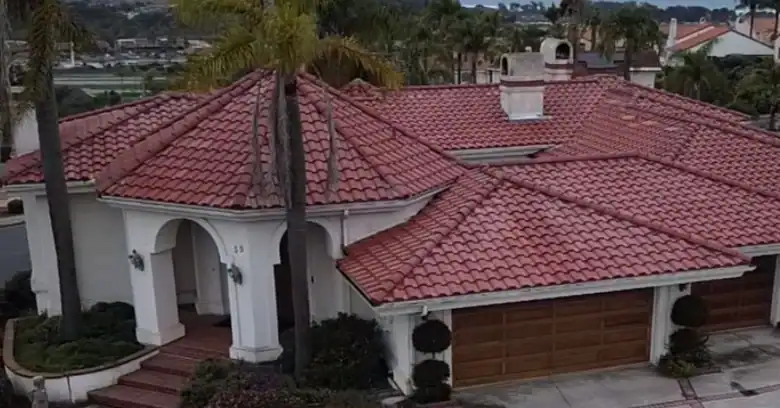
Weighing Tile Roof Installation Serving Santa Maria California?
Creative Roofing keeps barrel, flat and interlocking roofs weathertight from the deck up, for homes in Santa Maria California and the towns around it.
Dial 805-723-2381 and we will explain what is involved.
Basics of a Roof Built From Individual Pieces
Clay and concrete units are individual pieces hung on a roof, overlapping like fish scales to shed water, so the layers below matter more than most people expect. Concrete units are molded from cement and sand and colored through the body or on the surface, so samples help with the choice.
Weight, Framing and What the House Can Carry
The framing is the foundation of any heavy roof, and an engineer may be involved in a conversion. Replacing a lighter covering with a heavier one without checking the structure is a serious mistake, and a careful contractor raises the issue unprompted.
Why Leaks Start Below the Surface
Many leaks on roofs of this kind begin with a failed underlayment, not with the pieces on top, so even a good surface can hide a tired layer. Replacing the underlayment when the units are removed gives the roof a fresh start, and that is why age matters as much as appearance.
Sun, Heat and Dry Summers
The heavy mass of the pieces absorbs heat during the day and releases it slowly at night, so the look holds up. Efflorescence, a white powdery bloom, can show on concrete units and is mostly cosmetic, and a roofer can tell the difference.
Cracks, Slips and Broken Pieces
Broken pieces are the most common problem on a roof of this kind, and they usually come from foot traffic, so a close inspection from the roof is the only reliable method. Roofers who work on fragile coverings place their feet on the lower part of the unit where it is supported, and the cost of a few replacements is small.
Edges and Intersections
Valleys carry the most water on a roof, and the metal channel beneath the pieces must be sound, and that is worth keeping in mind. Repointing or replacing the ridge bedding is a routine part of keeping the roof in good shape, and it deserves attention as the roof ages.
Seasonal Gusts and Embers
Nails, clips and foam adhesive are the common ways to secure units to the roof, and edges and ridges deserve the most attention. Clay and concrete are noncombustible, which is a strong advantage in a region with wildfire seasons, and clean valleys are important.
Restoring a Roof Rather Than Starting Over
Re-laying saves the cost of new material and keeps the original look of the house, so ask for an assessment of the underlayment. Replacing the covering gives the chance to upgrade the structure, the ventilation and the details, and that is worth keeping in mind.
Ridge Bedding and Edge Details
Older roofs of this kind used mortar to bed the ridge and hip pieces and to seal the edges, and that mortar eventually cracks and crumbles, and the method should be named in the proposal. Gaps at the ridge need the same attention, since embers and animals will find any opening, and a good roofer checks them without being asked.
Looking After the Appearance
A gentle low-pressure wash can restore the appearance of a roof, but harsh pressure damages the surface and loosens the pieces, and the result can be striking. Cleaning is not a substitute for repairs, but it often reveals cracked pieces that were hidden by grime, so combine the two visits.
A Better Base for a Long-Lived Roof
Heavy felt, synthetic sheets and self-adhering membranes are the common options, and they differ in heat resistance and tear strength, and a thoughtful answer is a good sign. Combining a sturdy base layer with extra protection at critical points gives a roof two lines of defense, and the extra layer is inexpensive protection.
Planning Equipment Around the Units
The best time to add rooftop equipment is when the roof is being re-laid, because the openings can be built in properly, and the answer should be written down. Every person who climbs onto a roof of this kind risks cracking something, so access should be limited to those who know how to walk it, and inspect after every visit. Valleys and low points on a roof of this kind carry the heaviest flow in a downpour, and the units along their edges are cut to fit and sealed with care, and a small repair now prevents a leak later.
Picking the Right Unit for the House
Clay units are fired at high temperature, and their color runs all the way through, so a chip or scratch does not show a different shade beneath, and compare how they look in daylight. Flat profiles give a contemporary look and are often used on modern houses, while barrel shapes suit traditional architecture, and think about the neighbors as well.
What Should Be Written Down
A thorough proposal names the material, the underlayment, the flashing and the method of attachment, and compare two bids line by line. Ask how the structure will be checked and what happens if damage is found, and trust the tone of the conversation.
Stages of a Careful Re-Lay
Each section of the roof is stripped down to the underlayment, repaired and covered with fresh waterproofing before the units go back, so a re-lay is slower than a shingle job.
Roofs of Fired Clay and Concrete in Wind and Fire Country
Closure strips at the eaves and the ridge keep embers and animals out of the space beneath the units, so make it part of the late-summer routine.
Documenting the Work for the Future
After a re-lay or a repair, keep the photographs, the proposal and a few spare units stored somewhere safe, because color and profile matching gets harder with time, so ask the roofer for copies.
Start the Conversation
Anyone sorting out Tile Roof Installation in Santa Maria California is one call away from a straight answer, so dial 805-723-2381 when it suits you. Calling before a problem becomes urgent makes it easier to compare materials and schedules, and we are glad to help you sort it out.
Verified

Verified
Verified
Verified