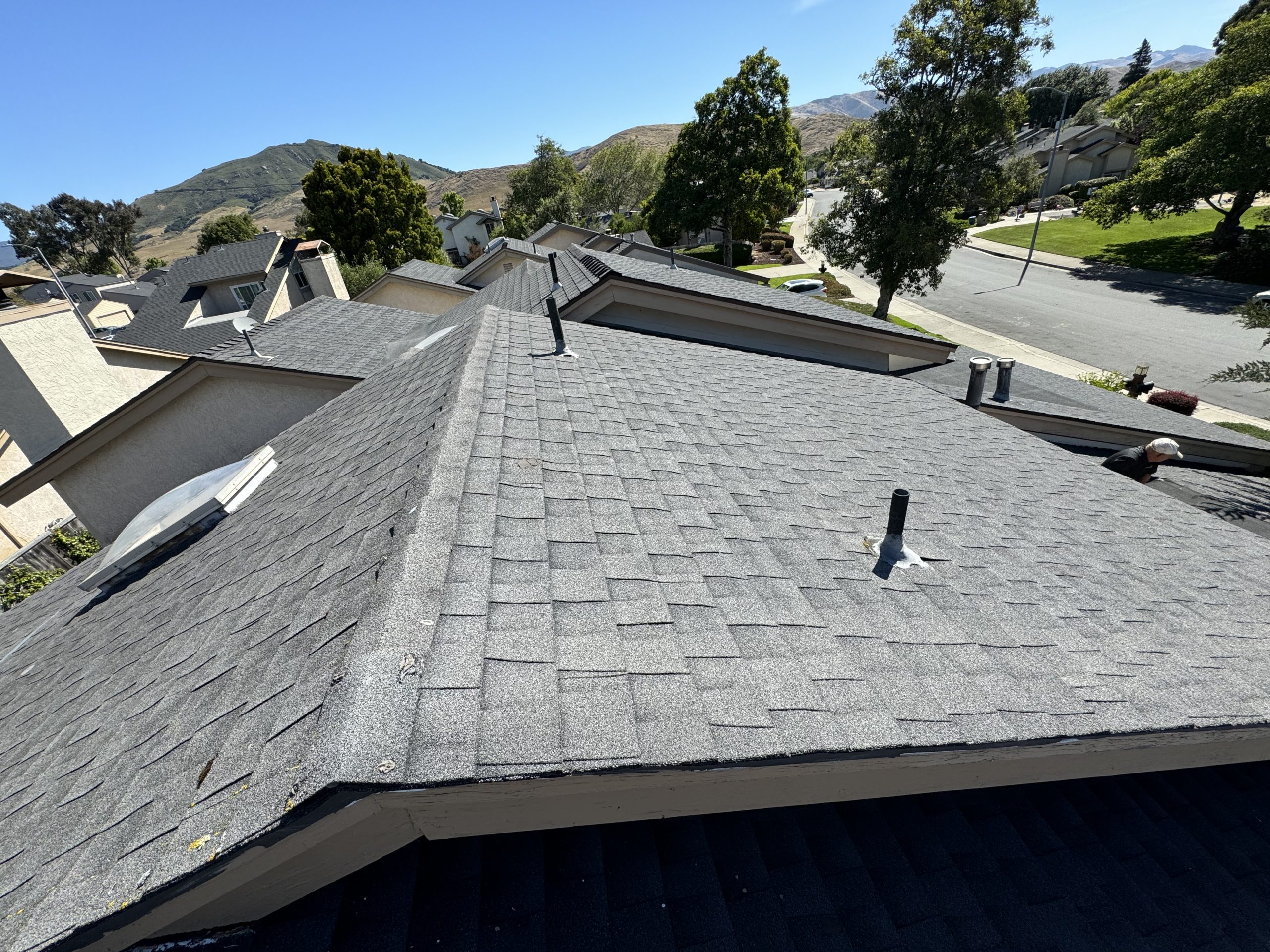
When it comes to homeownership, one of the most significant and often unexpected expenses is roof repair.
Whether a minor leak or a major replacement, the cost of fixing a roof in Santa Maria or Nipomo, California, can vary widely depending on several key factors.
Understanding these factors can help homeowners make more informed decisions, potentially saving money in the long run.
While it's always best to consult an experienced roofing contractor for a detailed estimate, knowing what influences roof repair costs can provide a clearer picture of what to expect.
This article will explore the five most prominent factors that impact roof repair costs.
1. Roof Size and Complexity
The size and layout of your roof are some of the most critical factors in determining repair costs.
A larger roof generally means more materials and labor are needed, directly increasing the overall cost.
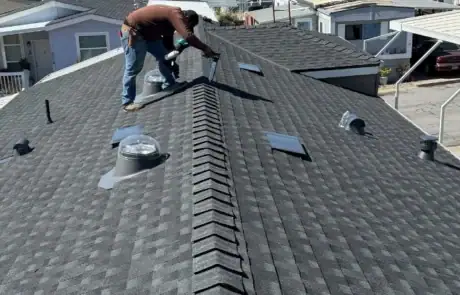
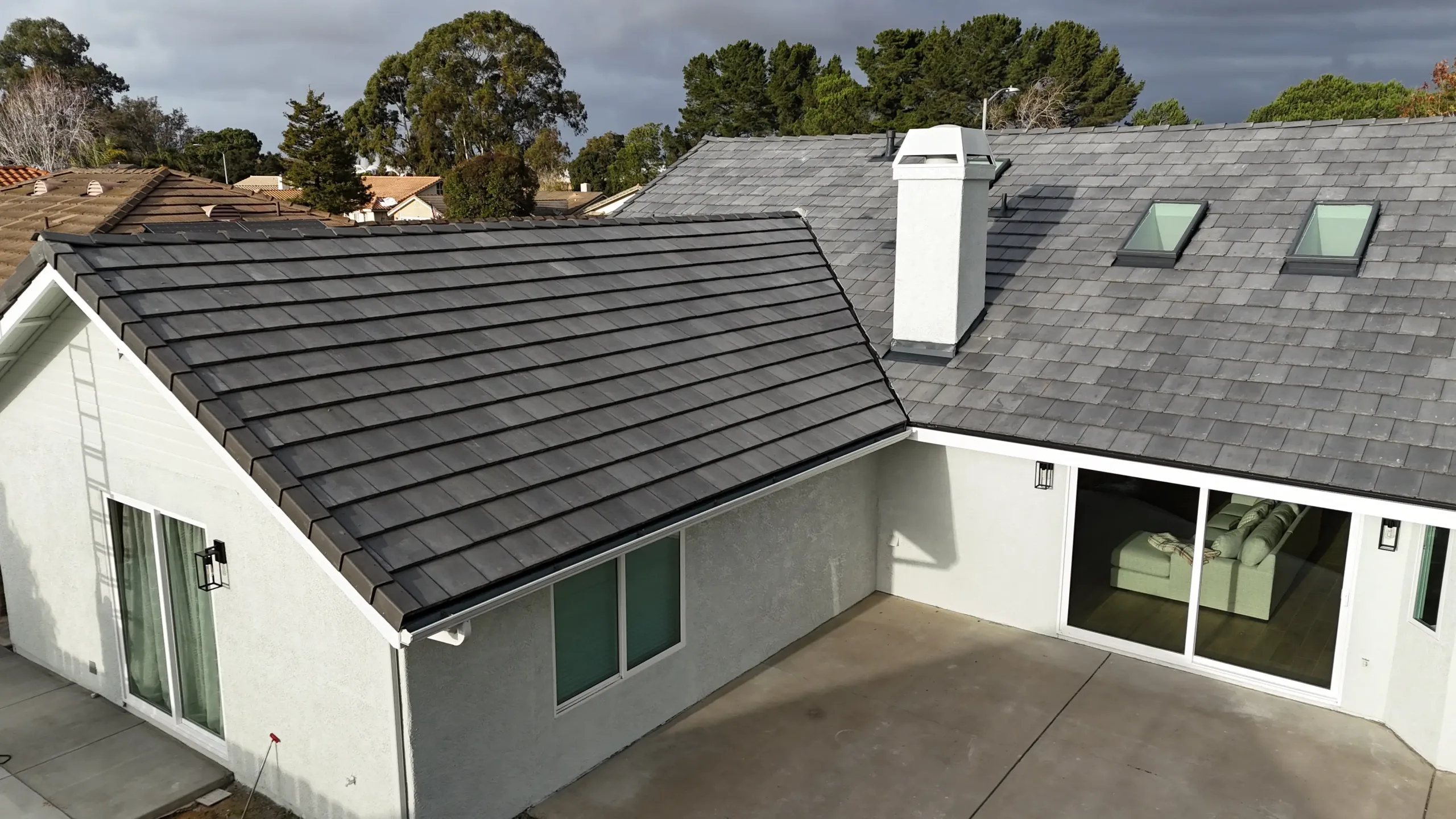
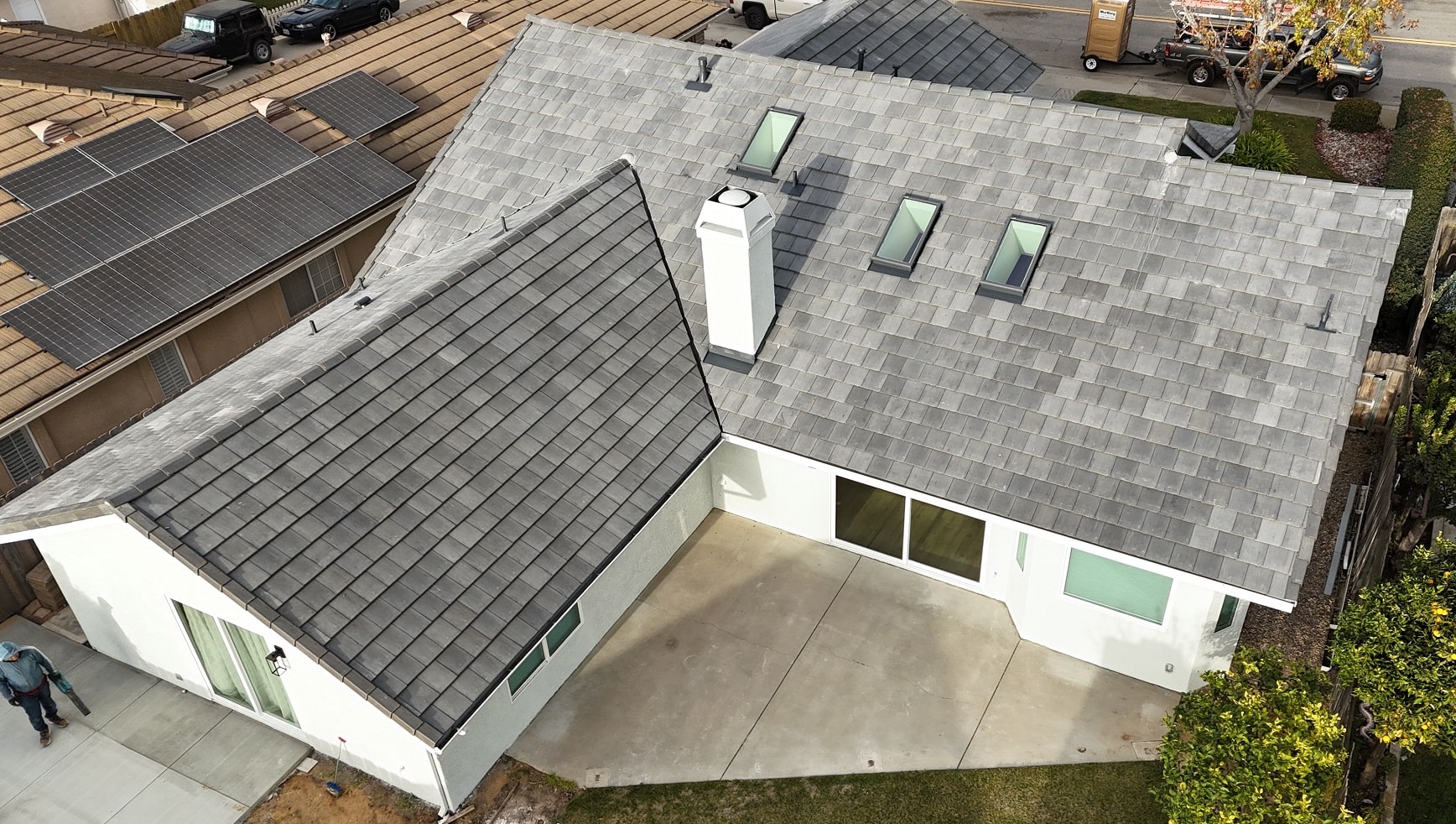
Additionally, if your roof has multiple slopes, skylights, or unusual features, it becomes more complex and may require additional time and expertise to repair. Roofers will need to work around these elements, potentially driving up labor costs.
For example, a simple gable roof with few features will typically be less expensive to repair than a multi-level, hip roof with several chimneys and valleys.
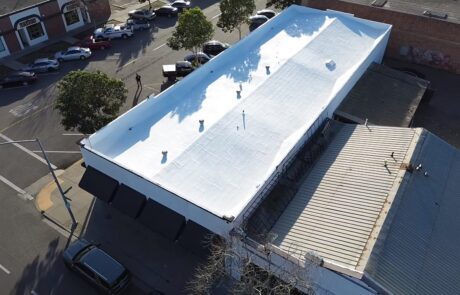
The more intricate the roof, the higher the cost of repairs, especially if repairs are needed in hard-to-reach areas or require specialized equipment.
2. Type of Roofing Material
The material of your roof plays a significant role in repair costs.
Different roofing materials have varying labor and material prices.
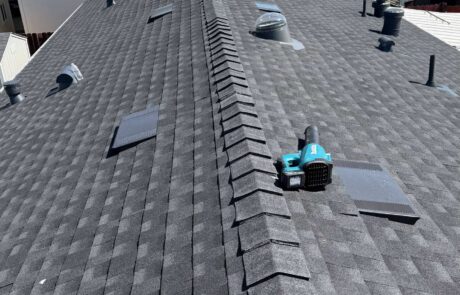
Asphalt shingles, the most common roofing material in the U.S., are generally more affordable to repair than slate, tile, or metal roofs, which can be more expensive due to the higher material costs and specialized labor required.
For instance, repairing a metal roof can cost more than an asphalt roof because metal roofing materials often require precise tools and techniques to fix leaks or damage.
Similarly, tile roofs may require additional care and time, as each tile must be carefully replaced without breaking surrounding tiles.
Always ask your roofing contractor about the materials they specialize in, as this will help you better understand potential repair costs based on your roof's composition.
3. Extent of Damage
The severity of the damage is another major factor influencing roof repair costs.
Minor issues, such as a few missing shingles or a small leak, may be relatively inexpensive to fix, often requiring only patchwork or a small section of shingles to be replaced.
Conversely, if your roof has sustained significant damage, such as structural issues or widespread leaks, the cost of repair can quickly escalate.
In cases where water has penetrated the roof and caused damage to the underlying structure (e.g., decking or insulation), the repair process may involve replacing or reinforcing the structure, which can increase labor costs.
If the damage is extensive, roofers may need to remove and replace entire sections of the roof, which can be far more costly.
4. Roof Age and Condition
The age and overall condition of your roof can also impact repair costs.
Older installations may require more frequent roof repairs due to wear and tear from weather exposure, aging materials, and a lack of proper maintenance.
Repairs may become more complex and expensive as roofing materials degrade over time.
In some cases, if the roof is nearing the end of its lifespan, a simple repair might not suffice, and a full roof replacement could be recommended.
On the flip side, a newer roof in good condition will generally be easier and cheaper to repair since the materials are still intact and the structure is sound.
Roofs that have been regularly maintained and have no underlying issues will require less labor and fewer materials, keeping the cost of repairs lower.
5. Labor Costs and Location
Labor costs vary greatly depending on where you live and the roofing contractors you hire.
Higher labor rates are expected in regions with higher costs of living, such as Santa Maria or Nipomo, California, and major metropolitan areas.
The labor cost will also be higher if your roof requires specialized labor or involves difficult-to-access areas.
Roofers working in more remote or rural areas may charge less, but you should also consider the cost of traveling to the job site.
Another critical factor is the availability of skilled roofers in your area.
Demand can drive up prices in regions with a shortage of roofing professionals, as contractors may be in high demand.
Always get multiple quotes from roofing contractors to ensure you're getting a fair price for the work.
Conclusion
Roof repair costs can vary significantly based on a variety of factors.
From the size and complexity of your roof to the materials used and the extent of damage, each element contributes to the final price.
Homeowners in Santa Maria and Nipomo, California, should also consider the age and condition of their roofs and local labor rates when budgeting for repairs.
Consulting with experienced local roofers and getting a detailed estimate will help you plan for the repair or replacement of your roof.
Understanding these key factors will help you make informed decisions and ensure the long-term protection and integrity of your home.
Key Takeaways
- Roof Size and Complexity: Larger, more intricate roofs with features like skylights or multiple slopes will increase repair costs due to the additional labor and materials required.
- Type of Roofing Material: The material used on your roof significantly impacts repair costs. Asphalt shingles are more affordable to repair than materials like metal, tile, or slate, which require specialized tools and expertise.
- Extent of Damage: The more extensive the damage, the higher the cost. Minor issues like missing shingles are cheaper to fix, but severe damage involving structural issues or widespread leaks will require more expensive repairs.
- Roof Age and Condition: Older roofs may need more frequent repairs due to wear and tear, while newer roofs in good condition are generally easier and less costly to repair.
- Labor Costs and Location: Labor rates can vary by location and availability of skilled roofers. High-demand areas or hard-to-reach locations may increase the cost of repairs.
FAQs
1. How do I know if my roof needs repair or replacement?
- If you notice leaks, missing shingles, or visible damage, it's a sign that your roof may need repair. A roofing contractor can assess the extent of the damage and determine whether a repair is sufficient or if a full replacement is necessary.
2. Can roof repairs be done during winter?
- Yes, roof repairs can often be done in the winter, but colder temperatures can make some materials more difficult to work with. It's essential to hire experienced roofers who are equipped for winter repairs.
3. How much does it cost to repair a roof?
- The cost of roof repairs can vary widely based on the size, material, and severity of the damage. On average, repairs can range from a few hundred to several thousand dollars, depending on these factors.
4. What roofing materials are the most expensive to repair?
- Slate, tile, and metal roofs are generally more expensive to repair than asphalt shingles. These materials require specialized tools and skilled labor, making repairs more costly.
5. Does my home's location affect roof repair costs?
- Yes, the cost of roof repairs can be influenced by your location. Areas with a higher cost of living may have higher labor rates, and remote or hard-to-access home locations could increase costs due to travel fees or additional equipment needs.
6. How long does it take to repair a roof?
- The timeline for roof repair depends on the extent of the damage. Small repairs may take a few hours, while larger repairs could take a few days. A roofing contractor can give you a more accurate estimate based on your specific situation.
7. Can I repair my roof myself?
- While minor repairs, like replacing a few shingles, might be manageable for some homeowners, it's best to hire a professional roofing contractor for more complex or safety-critical repairs. Improper repairs can lead to more damage or even personal injury.
8. Will my homeowner's insurance cover roof repairs?
- In many cases, homeowner's insurance can help cover roof repairs if a covered peril, like a storm or fire, causes it. However, routine maintenance or wear and tear is typically not covered. Always check with your insurance provider for specifics.
9. How can I lower the cost of roof repairs?
- To lower repair costs, consider performing regular maintenance to catch issues early, get multiple quotes from roofing contractors, and choose cost-effective materials when possible. In some cases, regular inspections can help prevent major repairs.
10. What should I look for in a roofing contractor?
- When choosing a roofing contractor, look for experience, proper licensing and insurance, and good reviews from previous customers. Before making a decision, it's essential to ask for a detailed estimate and understand the scope of the work.