
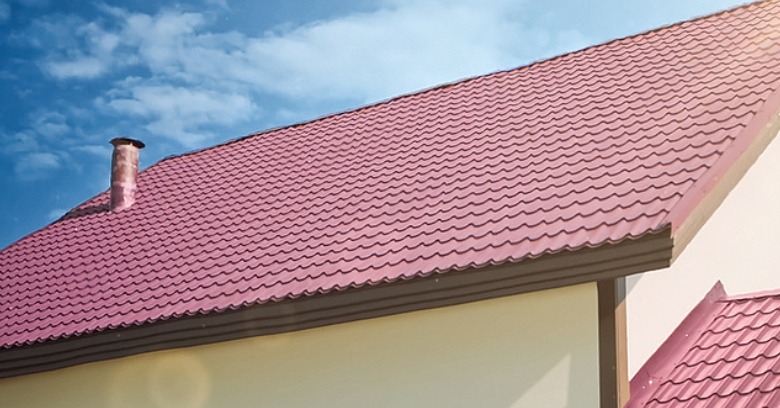
Looking Into Metal Roofing Services for a Home in Central Coast California?
Creative Roofing installs standing seam, corrugated and metal shingle roofs for homeowners, working across Central Coast California and nearby.
Reach us at 805-723-2381 to set up a visit to look at the roof.
Panels, Clips and Coatings
Most residential metal roofs start with sheets rolled to a profile and finished with a baked-on coating, and the quality of the whole depends on the weakest piece. Aluminum is lighter and resists rust naturally, which suits some situations, and your roofer can compare them for you.
Standing Seam, Corrugated and More
Hidden fasteners are the signature of a standing seam system, and snap-lock and mechanical-lock versions differ in how the seams close. Corrugated and ribbed panels are fastened with screws that pass through the face of the sheet, and the fasteners are the point to watch over time. Stone-coated steel panels have a granular finish fused to a formed steel base, and installation uses small pieces rather than long panels.
Heat and Light Over Time
The summer sun is the main test for a coating on a roof here, and quality finishes are made for that exposure. Reflective finishes can help reduce the load on an air conditioner, and it pays to think it through.
Thermal Movement Explained
Metal expands when it warms and contracts when it cools, and a long panel moves noticeably over a day, and clips are designed to let the panel slide. Exposed fasteners rely on rubber washers that harden and crack in strong sun, so a check every few seasons is wise.
Edge Details That Matter
Metal panels are strong and well attached, yet wind finds edges before anything else, so trim should be fastened to a proper pattern. Ridge caps and closures keep wind-driven rain and debris out of the ridge opening, and they are easy to overlook.
Fire, Embers and Metal
A metal covering does not burn, so it avoids one of the main ways a roof can catch fire, and the details around vents and edges matter as well. Keeping the roof clean is part of keeping a house safer in dry months, and a metal roof makes the job easier.
Does Metal Sound Louder
In a house with a normal attic, rain on metal is usually a soft background sound, and the insulation helps even more. Ventilation under the roof deck still deserves attention with any covering, and the results are noticeable in summer.
The Steps Behind the Surface
A good metal roof begins with good preparation of the surface beneath, and that is worth keeping in mind. Flashing around chimneys, skylights, walls and pipes is custom bent from the same type of metal, and a neat result is a good sign. Panels are cut to length, hemmed at the ends and fastened in a set order that keeps them straight, and small errors add up quickly.
Keeping Metal in Good Shape
Yearly attention to fasteners, seams and trim keeps a metal roof sound, and the work takes very little time. Choosing matching metals for trim, flashing and fasteners prevents a common failure, and it is easy to overlook.
Gutters, Valleys and Runoff
Water runs off a metal panel quickly, which puts a lot of flow into valleys and gutters, and the dry months are the time to prepare. Water leaving a smooth panel can shoot past a standard gutter in a heavy downpour, and it pays to think it through.
Deciding Whether to Strip the Old Roof
A retrofit system uses strips or battens fastened over the old covering to carry the new panels, so the roofer should look before recommending it. Removing the old layers gives the new roof a clean start and exposes any damage underneath, and there is no single right answer.
Low Slopes and Steep Pitches
Not every metal panel is suited to every roof slope, and it is easy to overlook. Porches, patios and additions often have lower slopes than the main roof, and a good installer will have done it before.
Weighing the Long View
A well-installed metal roof can outlast several rounds of shingles on the same house, so the whole system deserves attention. A roof that looks good and needs little upkeep appeals to many buyers, so save the paperwork and the touch-up paint.
Lessons From Roofs That Struggled
Most problems with metal could have been prevented at the start, and it is far easier to prevent than to repair. Anyone who must go on the roof after installation should be careful where they step, and call a professional for anything serious.
Comparing Metal Roofing Proposals
The proposal should state whether fasteners are concealed or exposed, so ask for details in writing. Metal roofing is a skill, and installing standing seam differs from installing screw-down panels, and it pays to think it through.
Choosing Colors and Finishes
Baked-on paint systems protect metal panels and give them their color for many seasons, and check the sample for color stability. Lighter and mid-tone colors tend to hide dust and minor wear better, and take it outdoors. Some communities have design review that applies to roof color and style, and approvals take less effort when started early.
The Parts That Frame the Panels
A clean edge detail matters on a smooth metal surface, where every line shows from the street, and a neat edge is the mark of a careful crew. Leaf and debris protection over the gutters is a real consideration on a metal roof in a dry, tree-lined area, and a quick look takes only a few minutes.
Why Metal Jobs Take a Little Longer to Start
The wait between choosing a color and receiving the material is a normal part of a metal job, so plan ahead and allow for the wait.
Next Steps for Your Roof
People researching Metal Roofing Services in Central Coast California are welcome to call with questions, so dial 805-723-2381 when it suits you. There is no pressure in asking about a metal roof, so reach out whenever you are ready.






















