
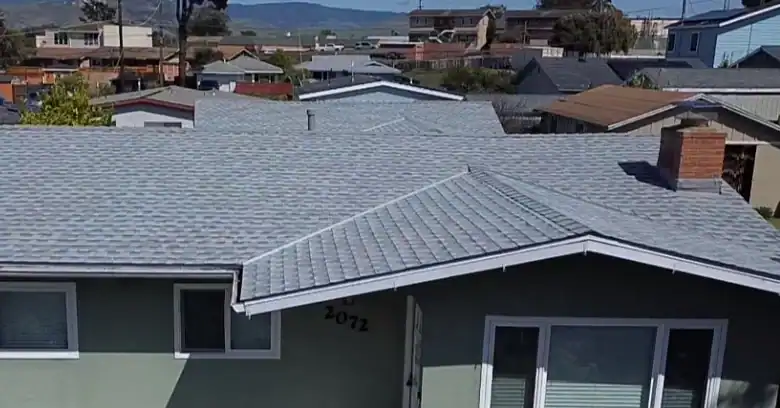
Searching for Roofing for a Home in Santa Maria California?
Creative Roofing handles the planning, the tear-off and the cleanup of a roof job, across Santa Maria California and the neighboring communities.
Call 805-723-2381 and we will talk through what the roof needs.
Where a Roofing Job Begins
Nothing gets decided until someone has walked the roof, because the rest of the plan rests on the findings from that look. A proper look covers the slopes seen from the yard and the ones that are not, and the findings are worth asking to see.
Sunny slopes and shaded slopes tell different stories, and both matter, and the sunniest side is usually the oldest-looking side.
Choosing How Far to Go
Some roofs need a patch, some need a section redone, and some have reached the end of the road, and the reasons should be easy to follow. A roofer who explains the reasoning in plain terms is easier to trust with the work, and a good roofer expects the question.
When the decking underneath is damaged, the scope of the job grows, so a note on how it will be handled saves arguments later.
Material Decisions
Three families of material cover most residential roofs in this region, and the style of the neighborhood often plays a part. The shade of a roof affects how hot it runs in July, so do not settle the question from a photograph.
Scheduling Around the Weather
Roof work is easiest to schedule in the long dry stretch between rains, and temporary dry-in layers keep the house safe overnight. Roof surfaces get hot enough in July to change how materials behave, and a little care goes a long way.
Stripping Down to the Deck
Tear-off gives the first real view of the structure under the roof, and debris goes into a bin or trailer rather than onto the lawn. Sound wood is the base everything else depends on, and skipping the step shortens the life of an otherwise good roof.
What Goes Down First
Much of the protection a roof offers is out of sight, and chimneys get particular care. The house is safest once the second layer is complete, and rows are laid from the eave upward, each lapping the last.
Small Metal Pieces, Large Consequences
Chimneys, skylights, vent pipes and walls all need flashing worked into the roof, since worn metal under new material becomes the weak link. Sun dries and cracks the flexible parts over time, so this is an easy step to ask about.
Ventilation in a Warm Climate
Warm air trapped under the deck works on the roof from below, and a proper system draws air in low and sends it out high. A ventilation plan is worth a conversation before the job starts, because airflow is easy to plan now and hard to add later.
Finishing the Job
The job is not over until the yard looks like a yard again, so gutters are checked and cleared of loose granules. Photographs of the completed work are worth having for your own records, so keep the paperwork and pictures together.
Approvals Before the Work Starts
Municipal offices have their own expectations for roof work, and a little care goes a long way. Certain hillside and edge-of-town areas follow stricter material rules than the valley floor, and a roofer working in the area should already know them. The best paperwork leaves little room for misunderstanding, and it is easy to overlook.
Protecting the House and Yard
Roof work is hard on landscaping unless it is planned for, so tarps and plywood go down where debris will land. The area under the eaves is the one to avoid, and keep a path clear for deliveries. Attic contents are best covered or moved before the work starts, so it is wise to take down fragile pictures first.
Noise, Neighbors and Daily Life
The calendar for a job is set by the roof, not by the wish list, and nobody can promise a date through a rain delay. A quick word with the people next door can head off complaints, and most people are tolerant when they know what to expect. Pets are often the ones most bothered by the commotion, and the noise settles once the old roof is gone.
Questions That Reveal the Difference
Find out who will be on the roof and who will be in charge of the job, and anything left vague deserves a follow-up. The product line matters as much as the type of covering, and it should be written on the proposal. Surprises are normal, and a process for them is a sign of a well-run job, and keep the discussion friendly but specific.
Small Habits That Extend Roof Life
Even a new roof benefits from an occasional look from the ground, and it is easy to overlook. Trim branches that touch or hang over the roof, and that is worth keeping in mind. Waiting on a small problem usually makes it more expensive, and a photograph helps explain what you saw.
Choosing the Right Season
Planning ahead usually gives better choices than reacting to an emergency, and calling in spring avoids the rush. Any month can work with the right planning and a willingness to move a day, and the covering you choose affects the timing as well.
Attic Findings That Change the Plan
Looking at the roof from inside the attic before the work begins reveals water stains, damp insulation and daylight where none should enter, and the findings can change the scope.
Getting Started in Santa Maria California
Sorting out Roofing in Santa Maria California is easier with someone who can look at the house, so use 805-723-2381 to talk through the roof and the next step. A modest repair and a full re-roof both begin with an honest look at the roof, and we are glad to talk through the options. The sooner the roof is looked at, the more choices you tend to have, so pick up the phone when you are ready.
Verified

Verified
Verified
Verified






















