
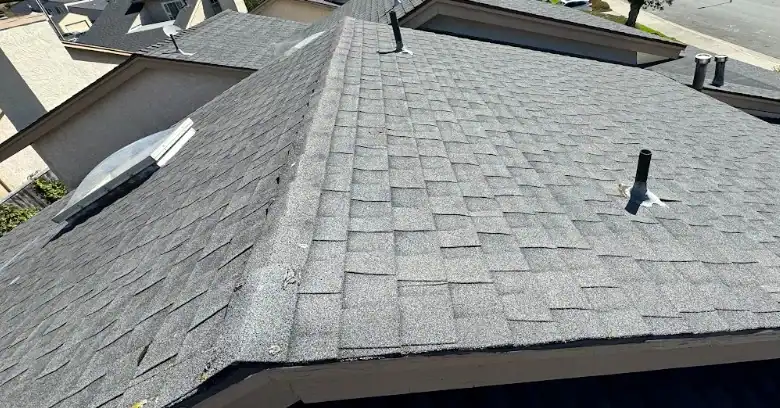
Ready for Shingle Roof Contractors Near Me in Central Coast California?
Creative Roofing lays asphalt, architectural and designer shingles over carefully prepared decks, serving homeowners in Central Coast California and beyond.
Ring 805-723-2381 and we will go over what a shingle roof involves.
Inside a Shingle
Behind the familiar look is a layered construction, and that is worth keeping in mind. Granule loss is the clearest sign that a shingle is wearing out, and the process only gets faster over time.
Choosing a Weight and Style
Traditional three-tab shingles are a single flat layer cut into three tabs, and they are the lightest and plainest option, and the saving is real but so is the shorter life. Dimensional shingles imitate the look of shake or slate at a modest cost, and the thicker body stands up better to sun. Premium and luxury lines go further, with thicker laminates, deeper shadow lines and designer shapes, and the framing should be checked before choosing the heaviest types.
Strong Sun on Asphalt
Heat, ultraviolet light and temperature swings wear the surface steadily, so those slopes make a useful gauge of overall condition. A shingle that has begun to curl no longer lies flat against the roof, and it pays to think it through.
Picking a Shade That Works in the Sun
Color is a practical decision as much as a matter of taste, and nearby roofs offer a useful preview. Cool shingle lines are designed to lower roof temperatures without changing the look much, and the actual benefit depends on the house.
How Shingles Are Laid
Nails driven too high or too low weaken the hold of the whole course, and a crew that cuts corners here causes trouble later. Starter shingles at the bottom edge anchor the first row and keep wind from getting underneath, and a straight line of shingles is a sign of care. A properly installed ridge looks neat and stays tight against the weather, and the ventilation opening below the cap should stay clear.
Seal Strips and Warm Weather
Heat from the sun is what finishes the job on a new roof, so the two work together. Pieces that blow off expose the underlayment, which is not meant to sit in the sun, so a loose shingle should not wait for the next storm.
Balanced Intake and Exhaust
A balanced system of intake and exhaust keeps the temperature under the roof closer to the air outside, so check that the soffit openings are not blocked by insulation. Adding insulation without maintaining airflow can make an attic hotter in summer, and that is worth keeping in mind.
Where Shingles Meet Everything Else
The underlayment is the water-resistant layer under the shingles that catches whatever gets past the surface, and it matters most when the roof is open to weather. Every pipe and vent through the deck needs a boot or collar that is sealed and replaced with the roof, and these details cause most leaks on shingle roofs.
Is It Time for a New Roof
Several signs together point to a roof that needs more than a patch, and one sign alone may not mean much. Spot repairs are a good choice when most of the roof still has plenty of life left, and it is easy to overlook. When the whole roof is brittle, curling and shedding granules, repairs become a losing game, so plan the project before the leaks begin.
Stripping Down Before Building Up
Old shingles come off in sections and go straight into a bin, leaving a clean deck ready for the next step, so the plan should allow for repairs to the wood. A roof-over saves effort in the short run, yet it prevents any look at what the old roof has been hiding, and the savings are usually smaller than they seem. Rotted boards and delaminated plywood are usually found around leaks, valleys and plumbing vents, and good communication keeps everyone calm.
What the Site Should Look Like at the End
Planning where the dumpster, the ladders and the materials will go avoids damage to lawns, driveways and sprinklers, and move vehicles and furniture the night before. Rolling magnets across the lawn, the driveway and the planting beds collects what a rake and the eye miss, and point out anything that was missed. Checking the gutters after the first big rain is a good habit, and it takes only a few minutes, and it pays to think it through.
Dry Months and Warm Days
Most replacements here are scheduled for the long dry season, which gives the roof time to settle before the first winter storm, and flexibility makes scheduling easier. Very hot afternoons can scuff new shingles underfoot and make nails harder to drive cleanly, so many crews start at dawn in midsummer, and the details are worth a closer look.
Rooftop Additions and Shingle Work
A re-roof is the right moment to replace worn skylight curbs, chimney flashing and cracked sealant, before they cause trouble, and it is easy to overlook. Replacing a roof beneath an existing array is a coordination job involving the roofer and the solar company, and a little planning saves a lot of expense.
Blending New Shingles Into an Older Roof
Older shingles lose color and granules in the sun, so a few fresh ones will stand out until the surrounding roof catches up, and place the repair where it is least visible.
Where Shingles End and Gutters Begin
Metal edging installed under the underlayment at the eave and over it at the rake is the correct order, and it makes a visible difference to the durability of the edge, and old fascia boards are easy to replace while the roof is open.
Questions for a Shingle Roofer
Specific wording is the best protection against surprises, and a thorough contractor will be happy to explain. Ask how many layers of old roofing will be removed and how the deck will be inspected, so take notes during the conversation.
Next Steps for Your Roof
A conversation about Shingle Roof Contractors Near Me in Central Coast California usually starts with the age of the current roof, so use 805-723-2381 to set up the next step. Even a quick call can clear up questions about shingle grades, colors and timing, so reach out whenever you are ready.






















