
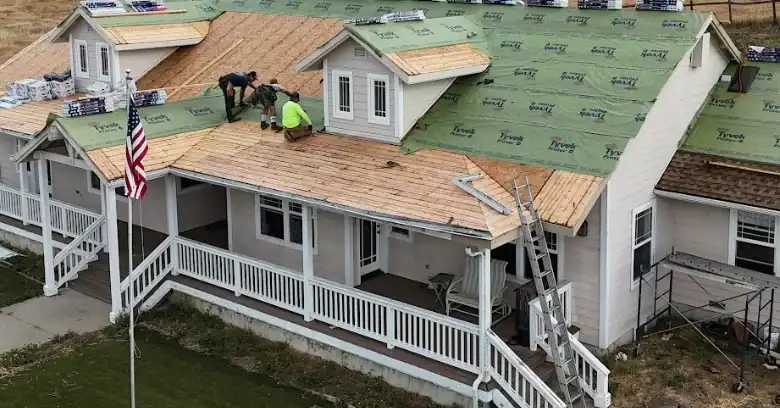
Comparing Residential Roofers Serving Lompoc California Homes?
Creative Roofing works with homeowners on how to find, question and work alongside the people on the roof, across Lompoc California and nearby communities.
Call 805-723-2381 and ask whatever you would ask a roofer you were hiring.
From Estimator to Installer
Roofers work with shingles, tile, metal and flat membranes, and not every roofer does every material, and it is perfectly normal to ask. A number of roofers focus on new construction, while others spend their days on repairs and replacements for existing homes, and ask for examples of similar jobs. Experience matters in this trade because roofs hide their problems under layers, and watching a crew work tells you a lot. Knowing who does what saves confusion once work is under way, so write down a direct number for the job. A number of roofers run their own crews while others hire labor by the job, and both models can work well, and the answer shapes how you communicate.
Where to Start Looking
Word of mouth from people who just had a roof done beats any online ranking, and you can look at the finished work from the sidewalk. A slow first reply tends to stay slow after you sign, and good communicators are easier to work with. A short drive to a building supply counter can turn up names that never appear in a search, and a good report is worth following up.
Getting Straight Answers
Ask how the roofer handles an unexpected find, such as rotted boards under the old covering, and hesitation is information too. Ask how the roofer decides between repairing and replacing, and what evidence they rely on, and listen for whether the answers are concrete. Ask who is on the job site if you need to reach someone during the day, and good answers are easy to compare. Responsible roofers have answers ready, and the answers tell you how organized the firm is, and it is better to know before the work begins.
What a Clear Scope of Work Includes
A written proposal should describe the materials, the areas covered, the preparation and the cleanup, so ask about anything that is missing. Look for a start window, an expected duration and a description of what happens if weather interferes, and a thorough document is easier to trust. The condition of the deck, the plan for rotted boards and the way hidden damage is handled all belong in writing, and good paperwork protects both sides. Compare proposals by what they cover, not only by the total at the bottom, and a change order should always be in writing.
Warning Signs During the Hiring Process
Reluctance to explain a finding or show a photo of a problem should make you cautious, and a reputable roofer expects you to compare. Storm chasers arrive after bad weather with offers that expire quickly, and homeowners rarely benefit from the rush, and a real emergency can be covered with a temporary fix. On the other side, a roofer who shows up when promised, listens to your concerns and explains the scope calmly is a good sign, and good habits show up early. Roofers who volunteer to show you what they found on the roof tend to be the ones who do careful work, and it is worth more than a flashy truck.
What Happens Once the Job Begins
A short planning talk the day before saves confusion on the morning the crew arrives, and a short note on the door keeps everyone informed. Expect people on the roof from early morning, and expect the sound of removal to be the loudest part, and a quick walk with the lead settles most questions. Ask for photographs of anything unexpected that is found when the old roofing comes off, and a calm tone makes for a better job. On the last day the crew sweeps the yard, checks the gutters and loads the last of the waste, and the lead will tell you when the roof is complete.
When Rain or Heat Changes the Plan
Rain that arrives in bursts can push a start back by a day or a week, and gusty days are unsafe on a roof, so build a little flexibility into your plans. Roofers keep an eye on forecasts and may start earlier or later to make the best use of the weather, so keep your phone close. Smoke, heat and gusty winds all affect when a crew can safely climb onto a roof, and the work resumes as soon as conditions allow. A crew should always dry in the roof before leaving for the day, and the roofer should not ask you to accept risk.
After the Last Shingle, Tile or Panel
Done means the roof is finished, the site is clean and the paperwork is complete, so nothing is forgotten in the rush of finishing. Ask the lead to explain what was done at the valleys and how water is directed away from the walls, and the details are worth ten minutes of your attention. Keep every document from the job in a folder where you can find it later, and a small problem is easiest to fix right away.
Start the Conversation
Sorting out Residential Roofers in Lompoc California gets easier after a single honest conversation, and the number is 805-723-2381. Roofers are used to questions that start with I do not know much about this, and you will learn quickly what matters. Describe what you see and what worries you, and we will take it from there, so there is nothing to prepare. Whether the roof is leaking, aging or simply on your mind, the conversation is the same, and a call is a low-pressure first move. Good communication on the way in tends to carry through to the end of the job, and a conversation costs nothing. You will see the crew at your house every morning, so it helps to like and respect them, and it is a decision worth taking a little time over.
Verified

Verified
Verified
Verified
Verified






















