
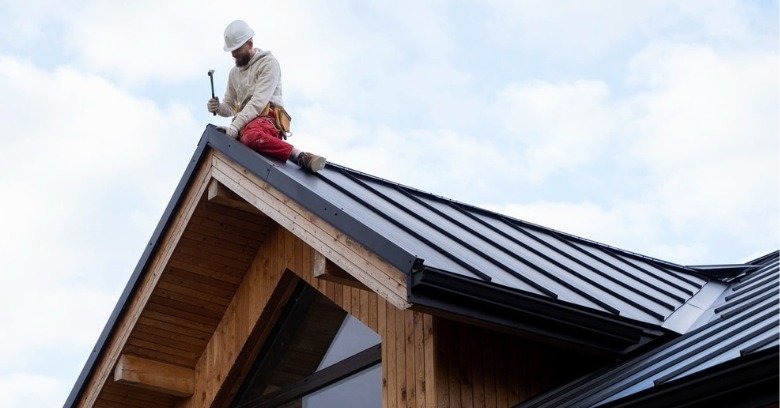
Researching Metal Roofer Services Around Central Coast California?
Creative Roofing installs standing seam, corrugated and metal shingle roofs for homeowners, working across Central Coast California and nearby.
Dial 805-723-2381 and ask about metal for your roof.
Panels, Clips and Coatings
The panels are what you see, but the layers underneath and the trim around the edges matter just as much, and a good installer explains all of them. Copper and zinc are used on special projects and age with a distinctive patina, so the choice depends on the house and the budget.
Panel Styles You Will Hear About
Standing seam is the style most people picture when they think of a modern metal roof, and a little care goes a long way. Exposed-fastener metal is the traditional barn and shed style and is also used on homes, and the details are worth a closer look. Stone-coated steel panels have a granular finish fused to a formed steel base, so they appeal to people who worry about noise.
Heat and Light Over Time
Long dry summers put a metal roof under strong sun for months at a stretch, so look at the finish as carefully as the panel. Reflective and light-colored finishes send more sunlight away and keep the roof surface cooler, and ventilation underneath still matters.
Fastening That Lets the Panel Breathe
Movement is a fact of life for metal, and the design has to allow for it, and fastening in the wrong place can cause noise or damage. Fasteners are the most common maintenance item on screw-down roofs, and replacement screws are cheap.
Holding Metal Down in the Wind
A well-built roof depends on secure, continuous edge metal, and a loose piece of edge metal is a warning. Gaps at the ridge are an easy way for leaves, dust and insects to get in, and replacing a worn one is simple.
A Noncombustible Covering
Wildfire season has made many homeowners look closely at noncombustible roofing, so ask how openings are protected from embers. Keeping the roof clean is part of keeping a house safer in dry months, so sweep leaves and needles away regularly.
Rain, Heat and Quiet Rooms
The reputation for noise comes from barns and sheds with no ceiling below the panels, and the details are worth a closer look. Metal roofs reflect heat and can help keep an attic cooler when installed with a proper air gap, and a good answer is specific.
Preparing the Deck for Panels
Waviness or soft spots in the deck show through thin metal and can cause trouble, and not every underlayment suits a metal roof. Penetrations are sealed with purpose-made boots or formed metal pieces, so look at the trim and the corners when the work is done. Panels are cut to length, hemmed at the ends and fastened in a set order that keeps them straight, and a little care goes a long way.
Checking on the Finish and the Fasteners
Debris that sits on metal holds moisture and can lead to staining and corrosion, and the details are worth a closer look. Copper gutters or flashing next to bare steel is a combination that invites trouble, and it is easy to overlook.
Handling a Sudden Downpour
The first big rain of the season tests every drainage detail on a house, and valleys need to be wide and clean. Fast runoff needs a gutter set at the right height and angle, and the installer should plan for it.
Overlay or Tear-Off
A retrofit system uses strips or battens fastened over the old covering to carry the new panels, so the roofer should look before recommending it. Removing the old layers gives the new roof a clean start and exposes any damage underneath, and it costs more in time and disposal.
What the Roof Angle Allows
Not every metal panel is suited to every roof slope, and the specification sheet settles the matter. Matching the look while meeting the slope requirements takes planning, and a good installer will have done it before.
What Owners Say Matters Most
Metal roofs are known for lasting a long time when installed well and kept in good order, and it pays to think it through. Keeping records of the installation helps when the house changes hands, and ask what documentation comes with the job.
Mistakes to Avoid With Metal
Leaks around penetrations usually come from poor flashing details rather than bad panels, and the details are worth a closer look. Heavy foot traffic on thin panels leaves marks that never go away, and call a professional for anything serious.
Comparing Metal Roofing Proposals
Look for the base metal, the finish and the attachment method written out in plain terms, so ask for details in writing. Questions about past projects of the same type are reasonable, and trust your sense of the conversation.
Choosing Colors and Finishes
Color on a metal roof comes from the coating rather than from the metal itself, and check the sample for color stability. Most people choose a color that complements the house and the surroundings, so view the sample at different hours. Some communities have design review that applies to roof color and style, and the proposal should reflect them.
Drip Edge, Fascia and Gutters
A clean edge detail matters on a smooth metal surface, where every line shows from the street, and that is worth keeping in mind. Leaf and debris protection over the gutters is a real consideration on a metal roof in a dry, tree-lined area, and the roof will repay the effort.
Ordering Metal for Your Roof
Standard shingles can be delivered the next day, but metal panels and matching trim often have to be produced to order first, and ask for an honest estimate of the wait.
Tell Us What You Have in Mind
A conversation about Metal Roofer Services in Central Coast California usually starts with the style of the home, and 805-723-2381 reaches someone who can help. Whether the roof is leaking now or you are simply planning ahead, an early conversation keeps your options open, and the details are worth a closer look.






















