
Weighing Residential Roof Contractors Around Central Coast California?
Creative Roofing takes a roofing job from the first look to the last sweep of the yard, working in Central Coast California and nearby.
Reach out at 805-723-2381 and describe the project you have in mind.
Starting Out Right
Every roofing job starts with someone climbing up to see what is actually there, and a rushed visit tends to cost more than it saves. Loose granules, lifted edges, cracked flashing and soft spots all say something about the layers below, and that is the evidence a sensible plan is built on.
Sunny slopes and shaded slopes tell different stories, and both matter, so the south and west slopes get the closest attention.
Deciding What the Roof Needs
Whether to fix or replace comes down to the condition of the layers beneath the surface, so a clear explanation matters more than a quick quote. Ask to see the problem areas, either in photographs or from the ladder, because you are the one living under the result.
When the decking underneath is damaged, the scope of the job grows, and nobody should be surprised when it happens.
Picking a Roof Covering
Asphalt shingles, concrete or clay tile and standing seam metal are the coverings most often put on homes here, since heavy coverings need a frame built to carry them. The shade of a roof affects how hot it runs in July, and it pays to look at them at different times of day.
Planning for Rain and Heat
Dry months are the busy season for roofing, since an open roof and rain do not mix, and crews watch the forecast closely. Heat affects the work as well, so an early knock on the door is nothing to worry about.
Getting to a Clean Surface
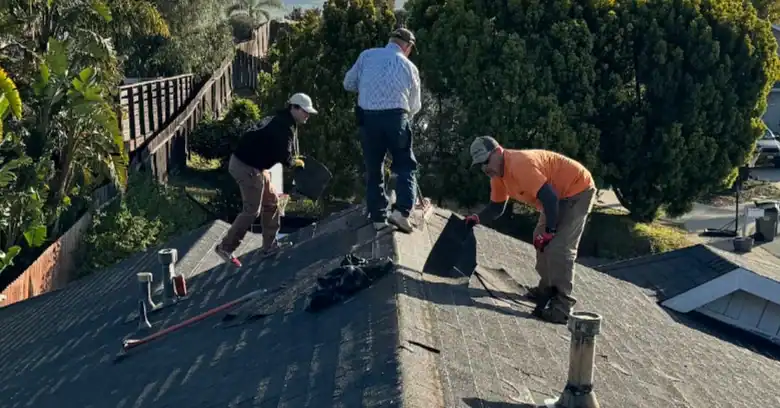
The existing covering is stripped away and the deck is left exposed for inspection, and the details are worth a closer look. The deck is checked, mended and made flat for the next layer, because new material is only as good as what it is fastened to.
What Goes Down First
The surface you see is only the outer layer of a roof, and valleys, eaves and penetrations get extra layers. Once the underlayment is down, the house is considered dried in, and the finished surface is installed over a sound base.
Penetrations and Edges
Water finds the joints first, so flashing matters, so fresh metal is standard practice among careful crews. Plumbing vents are among the most common sources of small leaks, and putting in new boots costs little when the roof is already open.
Keeping the Attic Cooler
A roof without enough ventilation bakes the attic and everything stored in it, and vents at the eaves let cooler air in. Adding vents at random may do little more than cut holes in the roof, because airflow is easy to plan now and hard to add later.
The Last Day on Site
A finished roof still leaves a yard full of scraps, nails and packaging, and covers come off the landscaping and the beds are inspected. Questions are easier to settle while the crew is still on site, and a saved record answers questions nobody has thought to ask yet.
The Paperwork Side of a Roof
Local requirements shape the job before the first shingle is touched, and the process is easier when someone handles it for you. Wildfire concerns have changed what many local codes ask of a roof, and a roofer working in the area should already know them. Written proposals should describe the materials, the scope and the cleanup in plain words, so compare any two side by side.
What Happens to the Yard
Roof work is hard on landscaping unless it is planned for, and a careful crew sets them before the work begins. Moving vehicles out of range for the day is a simple precaution, and it pays to think it through. Hammering on the deck above can rattle a ceiling and drop dust into the rooms below, and it is best done the night before.
Noise, Neighbors and Daily Life
A new roof usually takes a few days for an average house, though weather and size change that, and nobody can promise a date through a rain delay. Neighbors appreciate a heads-up before the noise begins, so a friendly note goes a long way. Remote workers may want a quiet spot elsewhere for a day or two, and the noise settles once the old roof is gone.
Questions That Reveal the Difference
Ask how the roof will be ventilated and how the flashing will be handled, since confident answers come easily to people who do this daily. Ask for the materials by name and manufacturer so you can look them up, so ask before you sign anything. Talk through how changes to the plan will be handled and agreed, and keep the discussion friendly but specific.
Maintenance After the Job
Checking the roof twice a year takes only a few minutes, and binoculars make the job easy. Overhanging trees drop material that collects in corners and valleys, and it also reduces fire risk in dry months. A prompt visit after damage keeps a minor repair minor, so do not wait for the next storm.
Choosing the Right Season
Many homeowners wait until a leak appears before they think about a roof, so a few weeks of lead time is common. Late summer is hot but dependable, and crews are usually busy, and the details are worth a closer look.
Roof Work and Your Attic
When the old roof comes off, the crew sees the underside of the deck, and stains, rust on nail tips and darkened wood tell the story of past leaks, and bring a flashlight if you can.
Start the Conversation
Sorting out Residential Roof Contractors in Central Coast California is easier with someone who can look at the house, with 805-723-2381 ready whenever you are. Whether the job is a small section or a whole house, the questions are much the same, and an early conversation costs little. The decision often feels bigger before the call than it turns out to be, and it pays to think it through.






















