
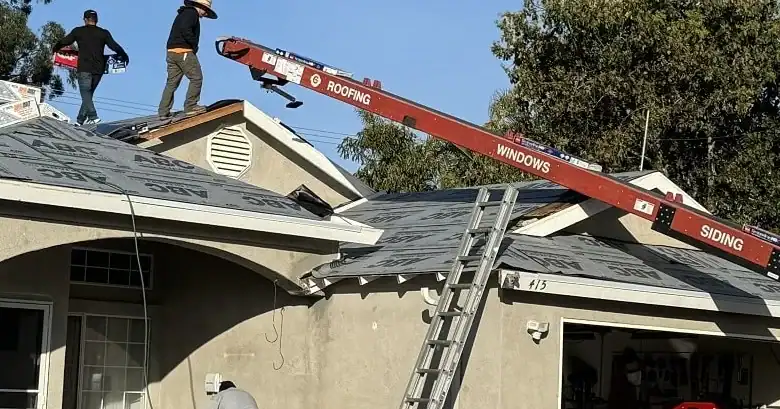
Looking for New Roof Services Around Central Coast California?
Creative Roofing stays with a roofing project from the first walk-around to the final check, working in Central Coast California and nearby.
Call 805-723-2381 and we will talk through what the roof needs.
Before Anything Is Torn Off
A roofing project begins with a close look at the surface, the edges and the pipes, and that is worth keeping in mind. A proper look covers the slopes seen from the yard and the ones that are not, so the visit usually takes longer than people expect.
Sunny slopes and shaded slopes tell different stories, and both matter, so the wear is rarely even from one side to the next.
What Should Actually Be Done
A roof can be repaired, partly rebuilt or removed entirely, and the evidence decides what is done, and an honest roofer will say which one applies. A roofer who explains the reasoning in plain terms is easier to trust with the work, because you are the one living under the result.
When the decking underneath is damaged, the scope of the job grows, and agreeing on the approach in advance beats debating it with the roof open.
Matching the Covering to the House
Homeowners usually end up comparing shingles, tile and metal panels, and the style of the neighborhood often plays a part. The shade of a roof affects how hot it runs in July, and that is worth keeping in mind.
Planning for Rain and Heat
Roof work is easiest to schedule in the long dry stretch between rains, and it pays to think it through. The temperature on the roof can run well above the temperature in the shade, and a little care goes a long way.
Getting to a Clean Surface
The existing covering is stripped away and the deck is left exposed for inspection, and magnets and rakes pick up the nails that fall. Once the deck is bare, any damaged boards are replaced, because new material is only as good as what it is fastened to.
Waterproofing Beneath the Surface
Underneath the visible covering sits a water-resistant layer that does much of the work, and chimneys get particular care. Once the underlayment is down, the house is considered dried in, so the rest of the work can proceed without worry.
Penetrations and Edges
Flashing is the thin metal that keeps water out where the roof meets something else, and it pays to think it through. The seal around a vent pipe rarely lasts as long as the surface around it, so replacing them along with the roof removes a predictable problem.
Intake and Exhaust
Warm air trapped under the deck works on the roof from below, so vents near the ridge give the hot air a way out. More vents are not always better, because intake and exhaust have to be balanced, because airflow is easy to plan now and hard to add later.
The Last Day on Site
Final cleanup means more than a quick sweep, and that is worth keeping in mind. Looking at the ridge, the valleys and the flashing with the roofer present is time well spent, and it pays to think it through.
What the City Wants to See
Local requirements shape the job before the first shingle is touched, because surprises at the counter slow everything down. Fire safety rules in some neighborhoods affect which coverings are allowed, so ask how the plan meets the rules for your street. The best paperwork leaves little room for misunderstanding, so keep a copy where you can find it.
Shielding Windows, Plants and Patios
The ground around a house takes a beating during a roof project, and it is reasonable to ask how this will be done. Pets, children and cars are best kept away from the work area, and a short talk the evening before covers the details. Light fixtures and wall hangings can shift when a roof is being removed above them, and a little care goes a long way.
Noise, Neighbors and Daily Life
Most residential projects are finished within days, not weeks, and nobody can promise a date through a rain delay. Neighbors appreciate a heads-up before the noise begins, and the whole thing is over sooner than it seems. Working from home during a roof job is possible, though not always pleasant, and everything returns to normal once the crew packs up.
Getting Clear Before the Work Begins
Ask how the roof will be ventilated and how the flashing will be handled, and anything left vague deserves a follow-up. Product names and thicknesses on the proposal let you compare like with like, and it should be written on the proposal. Talk through how changes to the plan will be handled and agreed, and keep the discussion friendly but specific.
Looking After a New Roof
Regular glances at the roof catch small problems early, so put it on the calendar like any other chore. Debris on the roof holds moisture and wears the surface, and that is worth keeping in mind. Waiting on a small problem usually makes it more expensive, and it pays to think it through.
When to Schedule the Work
Waiting for the first storm to find the weak spot means hiring in a hurry, and a little care goes a long way. Spring can bring the first showers, so flexibility helps, and the covering you choose affects the timing as well.
What the Crew Sees Inside the House
Rust on the points of roofing nails and dark patches on the sheathing are signs that moisture has been present for some time, so ask the roofer to look inside as well.
Talk to Us About Your Roof
Sorting out New Roof Services in Central Coast California is easier with someone who can look at the house, with 805-723-2381 ready whenever you are. Whether the job is a small section or a whole house, the questions are much the same, and that is worth keeping in mind. Taking the first step is usually the hardest part of any home project, and the next step becomes obvious.






















