
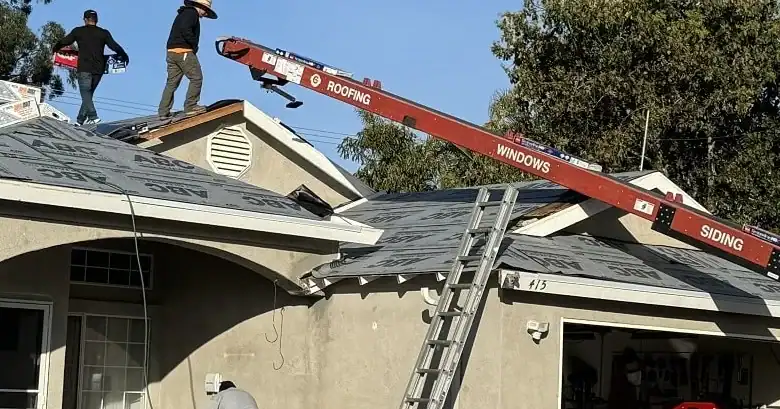
Searching for Roof Installation Serving Sacramento California?
Creative Roofing stays with a roofing project from the first walk-around to the final check, for homes in Sacramento California and the towns around it.
Phone 805-723-2381 to set up a time for someone to look at the roof.
Before Anything Is Torn Off
Every roofing job starts with someone climbing up to see what is actually there, and that is worth keeping in mind. Loose granules, lifted edges, cracked flashing and soft spots all say something about the layers below, and it pays to think it through.
Sunny slopes and shaded slopes tell different stories, and both matter, and a little care goes a long way.
Deciding What the Roof Needs
Not every worn roof needs replacing, and not every leak is a small one, and the details are worth a closer look. Damage should be shown rather than only described, since the plan should make sense to the person paying for it.
Wood that has been wet for a long time has to be cut out and replaced, so a note on how it will be handled saves arguments later.
Shingle, Tile or Metal
Three families of material cover most residential roofs in this region, and the style of the neighborhood often plays a part. Color deserves more thought than it usually gets, and it pays to look at them at different times of day.
Timing the Work
Dry months are the busy season for roofing, since an open roof and rain do not mix, and crews watch the forecast closely. The temperature on the roof can run well above the temperature in the shade, so an early knock on the door is nothing to worry about.
Removing the Old Roof
The existing covering is stripped away and the deck is left exposed for inspection, and protecting the driveway and plants is worth asking about. Soft or split sheathing is cut out and new panels are fastened down, and skipping the step shortens the life of an otherwise good roof.
Waterproofing Beneath the Surface
Much of the protection a roof offers is out of sight, and chimneys get particular care. The house is safest once the second layer is complete, and the finished surface is installed over a sound base.
Small Metal Pieces, Large Consequences
Chimneys, skylights, vent pipes and walls all need flashing worked into the roof, since worn metal under new material becomes the weak link. Vent boots and pipe collars are rubber or lead pieces that wear out before the roof does, and a new roof should not depend on a seal that is already tired.
Attic Airflow
A roof without enough ventilation bakes the attic and everything stored in it, since warm air rises on its own when it is given a path. More vents are not always better, because intake and exhaust have to be balanced, and the answer should be part of the proposal.
Finishing the Job
The job is not over until the yard looks like a yard again, so gutters are checked and cleared of loose granules. Photographs of the completed work are worth having for your own records, and it pays to think it through.
The Paperwork Side of a Roof
Depending on the town, a re-roof may need a permit before any material is ordered, and the answer should be clear from the start. Certain hillside and edge-of-town areas follow stricter material rules than the valley floor, and the proposal should reflect them. A clear proposal lists what will be removed, what will be installed and what happens if the deck needs work, because what is written down is what everyone remembers.
Protecting the House and Yard
A roofing job puts a lot of weight, noise and debris around a house, and that is worth keeping in mind. Cars parked in the driveway can be struck by falling nails or pieces of shingle, and keep a path clear for deliveries. Hammering on the deck above can rattle a ceiling and drop dust into the rooms below, and a little care goes a long way.
Living Through a Roof Project
Most residential projects are finished within days, not weeks, so ask for the expected start and finish up front. Neighbors appreciate a heads-up before the noise begins, and it is easy to overlook. Pets are often the ones most bothered by the commotion, so consider a day out of the house if you can.
Questions That Reveal the Difference
Find out who will be on the roof and who will be in charge of the job, and anything left vague deserves a follow-up. Knowing exactly what is going on the house removes a common source of disputes, and a good roofer will be glad you asked. Talk through how changes to the plan will be handled and agreed, and you will have a clear record.
Maintenance After the Job
A roof that is never looked at tends to fail when it is least convenient, and binoculars make the job easy. Overhanging trees drop material that collects in corners and valleys, and that is worth keeping in mind. Waiting on a small problem usually makes it more expensive, and a photograph helps explain what you saw.
Is There a Best Time for a New Roof
Planning ahead usually gives better choices than reacting to an emergency, and calling in spring avoids the rush. Early fall is popular because the weather is still dry and the heat has eased, and a good roofer will explain the trade-offs.
Checking the Space Beneath the Deck
When the old roof comes off, the crew sees the underside of the deck, and stains, rust on nail tips and darkened wood tell the story of past leaks, and attic problems are cheaper to deal with during a re-roof.
Ready When You Are
Sorting out Roof Installation in Sacramento California is easier with someone who can look at the house, with 805-723-2381 ready whenever you are. Whether the job is a small section or a whole house, the questions are much the same, so there is no harm in asking questions first. A short conversation can turn a vague worry into a clear plan, and the next step becomes obvious.
Verified

Verified
Verified
Verified
Verified






















