
Thinking About Roof Inspections Near Santa Barbara California?
Creative Roofing stays with a roofing project from the first walk-around to the final check, for homes in Santa Barbara California and the towns around it.
Dial 805-723-2381 and describe the project you have in mind.
The First Step in a Roofing Project
A roofing project begins with a close look at the surface, the edges and the pipes, and the notes from that visit steer every later choice. Signs of wear on top often point to a moisture problem underneath, and the findings are worth asking to see.
Long dry summers and strong sun leave their mark on nearly every roof in California, and a roofer who knows the area expects exactly that.
Deciding What the Roof Needs
Whether to fix or replace comes down to the condition of the layers beneath the surface, so a clear explanation matters more than a quick quote. Pictures of the trouble spots take the guesswork out of the decision, because you are the one living under the result.
Hidden damage found during tear-off is the usual reason a project grows beyond its first outline, and nobody should be surprised when it happens.
Picking a Roof Covering
Three families of material cover most residential roofs in this region, but the framing and the slope decide more than preference does. Lighter colors reflect more of the summer sun, while darker ones soak it up, so hold a sample against the house in daylight.
Scheduling Around the Weather
For most of the year the weather here lets a roof go on with few interruptions, and a careful crew never leaves an opening to chance. Heat affects the work as well, and a little care goes a long way.
Getting to a Clean Surface
Tear-off gives the first real view of the structure under the roof, and debris goes into a bin or trailer rather than onto the lawn. Repairs to the deck happen now, before anything new is installed, since good materials laid over a weak deck do not last.
Protection Under the Covering
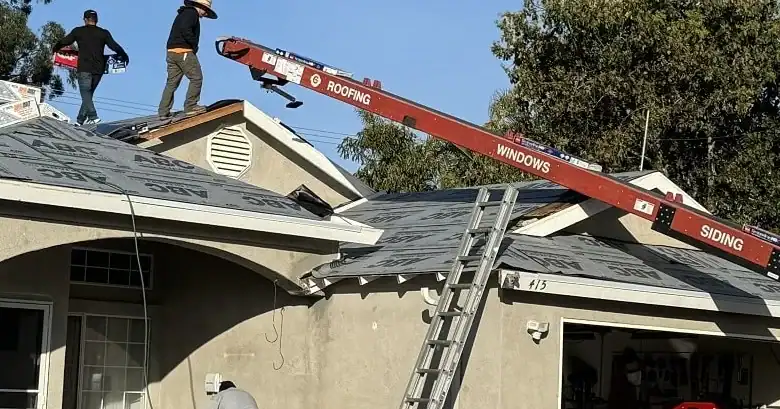
The first layer laid over the deck is a barrier against moisture, so self-adhering membrane goes where leaks tend to begin. With the barrier in place the roof can shed rain even before the covering is finished, and the visible covering goes on from there.
Details That Decide Whether It Leaks
Flashing is the thin metal that keeps water out where the roof meets something else, so fresh metal is standard practice among careful crews. Sun dries and cracks the flexible parts over time, and a new roof should not depend on a seal that is already tired.
Attic Airflow
Heat collects in the space beneath the roof deck unless it has somewhere to go, so vents near the ridge give the hot air a way out. More vents are not always better, because intake and exhaust have to be balanced, so ask how the attic will breathe once the work is done.
Cleanup and the Final Walk-Through
A finished roof still leaves a yard full of scraps, nails and packaging, and that is worth keeping in mind. Looking at the ridge, the valleys and the flashing with the roofer present is time well spent, and it pays to think it through.
Permits and Paperwork
Replacing a roof usually involves the local building department in some way, so it is fair to ask who pulls the permit. Where fire risk is high, the roof covering and the vents face tighter standards, so ask how the plan meets the rules for your street. A clear proposal lists what will be removed, what will be installed and what happens if the deck needs work, so keep a copy where you can find it.
Looking After Your Property During the Work
Roof work is hard on landscaping unless it is planned for, and it is reasonable to ask how this will be done. Pets, children and cars are best kept away from the work area, and a short talk the evening before covers the details. Inside the house, vibration can shake items from shelves and loosen attic insulation, and a sheet over stored boxes keeps the grit off.
Living Through a Roof Project
A simple roof may go quickly while a complicated one takes longer, and plan on some slack for the weather. Dumpsters and trucks may take up space on the road, and most people are tolerant when they know what to expect. Household routines bend a little while the work is under way, so consider a day out of the house if you can.
Questions Worth Asking Before You Agree
Ask what will be done with the old material and how the deck will be handled, and anything left vague deserves a follow-up. Product names and thicknesses on the proposal let you compare like with like, and a good roofer will be glad you asked. The way a roofer handles the unexpected says a lot about the whole operation, and the details are worth a closer look.
Small Habits That Extend Roof Life
Even a new roof benefits from an occasional look from the ground, and binoculars make the job easy. Sweeping leaves off the roof and out of valleys prevents trouble, and a small broom is often enough. A prompt visit after damage keeps a minor repair minor, and a photograph helps explain what you saw.
Timing a Roof Project Through the Year
Waiting for the first storm to find the weak spot means hiring in a hurry, so a few weeks of lead time is common. Any month can work with the right planning and a willingness to move a day, and the covering you choose affects the timing as well.
Checking the Space Beneath the Deck
The attic is the roof as seen from below, and it often gives the clearest picture of how the roof has been performing, and it is easy to overlook.
Start the Conversation
Homeowners comparing Roof Inspections in Santa Barbara California can simply pick up the phone, and 805-723-2381 reaches the right person. Whether the job is a small section or a whole house, the questions are much the same, and the roof will tell the story once someone looks. A short conversation can turn a vague worry into a clear plan, and it pays to think it through.
Verified

Verified
Verified
Verified
Verified






















