
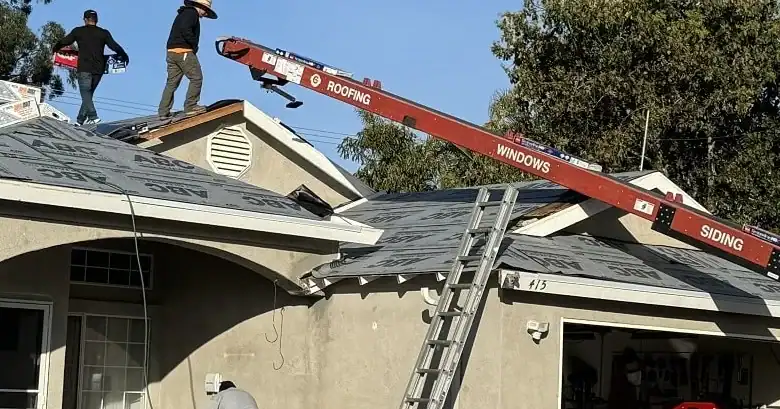
Planning Roof Maintenance Serving Morro Bay California?
Creative Roofing covers each step of putting a new roof on a house, working in Morro Bay California and nearby.
Reach out at 805-723-2381 to start a conversation about the roof over your head.
The First Step in a Roofing Project
Nothing gets decided until someone has walked the roof, and that is worth keeping in mind. Signs of wear on top often point to a moisture problem underneath, and it pays to think it through.
Long dry summers and strong sun leave their mark on nearly every roof in California, and the sunniest side is usually the oldest-looking side.
Choosing How Far to Go
Some roofs need a patch, some need a section redone, and some have reached the end of the road, so a clear explanation matters more than a quick quote. Damage should be shown rather than only described, so do not feel awkward about asking.
Weak spots in the deck only show themselves once the old roof is off, and it helps to know that before the work begins.
Material Decisions
Asphalt shingles, concrete or clay tile and standing seam metal are the coverings most often put on homes here, but the framing and the slope decide more than preference does. Sun exposure makes color a practical question as well as a visual one, so do not settle the question from a photograph.
Timing the Work
For most of the year the weather here lets a roof go on with few interruptions, so exposed areas get covered at the end of each day. Crews often start early in summer to get ahead of the hottest hours, so an early knock on the door is nothing to worry about.
Removing the Old Roof
The existing covering is stripped away and the deck is left exposed for inspection, and protecting the driveway and plants is worth asking about. Once the deck is bare, any damaged boards are replaced, and skipping the step shortens the life of an otherwise good roof.
What Goes Down First
Much of the protection a roof offers is out of sight, so self-adhering membrane goes where leaks tend to begin. Once the underlayment is down, the house is considered dried in, and rows are laid from the eave upward, each lapping the last.
Penetrations and Edges
Flashing is the thin metal that keeps water out where the roof meets something else, and it pays to think it through. Pipe seals made of soft materials fail early in strong sun, so replacing them along with the roof removes a predictable problem.
Attic Airflow
Warm air trapped under the deck works on the roof from below, and vents at the eaves let cooler air in. The design of the system matters more than the number of vents, because airflow is easy to plan now and hard to add later.
Finishing the Job
The job is not over until the yard looks like a yard again, and covers come off the landscaping and the beds are inspected. Keeping a short record of the materials used helps with later maintenance, and a saved record answers questions nobody has thought to ask yet.
Approvals Before the Work Starts
Local requirements shape the job before the first shingle is touched, and the answer should be clear from the start. Wildfire concerns have changed what many local codes ask of a roof, and the details are worth a closer look. A clear proposal lists what will be removed, what will be installed and what happens if the deck needs work, and it is worth reading it slowly.
Looking After Your Property During the Work
A roofing job puts a lot of weight, noise and debris around a house, and that is worth keeping in mind. Moving vehicles out of range for the day is a simple precaution, and a short talk the evening before covers the details. Hammering on the deck above can rattle a ceiling and drop dust into the rooms below, so it is wise to take down fragile pictures first.
Living Through a Roof Project
A simple roof may go quickly while a complicated one takes longer, and the crew should give you a realistic window. Informing nearby households is a courtesy that pays off, so a friendly note goes a long way. Pets are often the ones most bothered by the commotion, and that is worth keeping in mind.
What to Ask Every Roofer
Find out who will be on the roof and who will be in charge of the job, and write the answers down. Knowing exactly what is going on the house removes a common source of disputes, so ask before you sign anything. The way a roofer handles the unexpected says a lot about the whole operation, and the details are worth a closer look.
Keeping a Roof in Good Shape
Checking the roof twice a year takes only a few minutes, and binoculars make the job easy. Sweeping leaves off the roof and out of valleys prevents trouble, and it also reduces fire risk in dry months. Call a roofer after a major wind event or if you see a stain on a ceiling, and it pays to think it through.
Choosing the Right Season
Waiting for the first storm to find the weak spot means hiring in a hurry, and a little care goes a long way. Winter work happens too, with crews watching the forecast closely, so do not feel the choice is locked in.
What the Crew Sees Inside the House
Insulation in the attic that is compressed, wet or missing should be noted, since a new roof is a good time to fix the whole assembly, and it is easy to overlook.
Talk to Us About Your Roof
Questions about Roof Maintenance in Morro Bay California begin with a short phone call, so dial 805-723-2381 and say what you are seeing. Every roof is different, so every conversation starts from the house itself, and that is worth keeping in mind. The decision often feels bigger before the call than it turns out to be, and nobody will rush you.
Verified

Verified
Verified
Verified
Verified






















