
Thinking About Roof Replacement Near Me Around Santa Maria California?
Creative Roofing takes a roofing job from the first look to the last sweep of the yard, serving Santa Maria California and the places close by.
Call 805-723-2381 and describe the project you have in mind.
Where a Roofing Job Begins
Every roofing job starts with someone climbing up to see what is actually there, because the rest of the plan rests on the findings from that look. Loose granules, lifted edges, cracked flashing and soft spots all say something about the layers below, and that is the evidence a sensible plan is built on.
Months of direct sun take a steady toll on whatever covers a house, so the south and west slopes get the closest attention.
Setting the Scope of Work
Whether to fix or replace comes down to the condition of the layers beneath the surface, so a clear explanation matters more than a quick quote. A roofer who explains the reasoning in plain terms is easier to trust with the work, so do not feel awkward about asking.
Hidden damage found during tear-off is the usual reason a project grows beyond its first outline, and it is easy to overlook.
Picking a Roof Covering
Three families of material cover most residential roofs in this region, and the style of the neighborhood often plays a part. Color deserves more thought than it usually gets, and it pays to look at them at different times of day.
Scheduling Around the Weather
Roof work is easiest to schedule in the long dry stretch between rains, and it pays to think it through. Crews often start early in summer to get ahead of the hottest hours, so the day usually begins at sunrise.
Stripping Down to the Deck
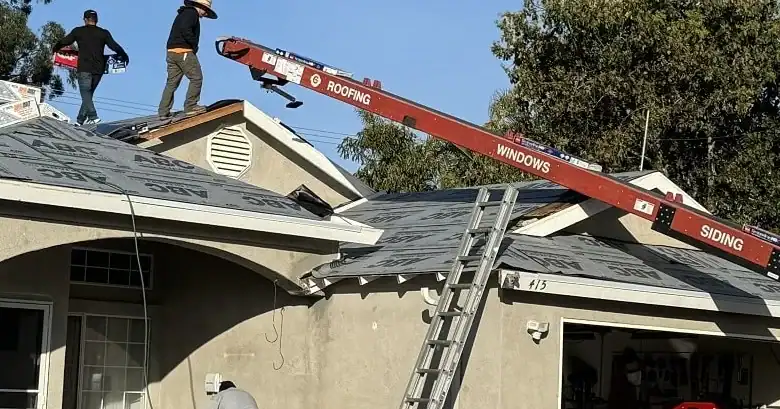
Taking the old roof off is the noisiest and messiest part of the job, and debris goes into a bin or trailer rather than onto the lawn. Soft or split sheathing is cut out and new panels are fastened down, and it is easier to fix now than after the roof is finished.
What Goes Down First
The first layer laid over the deck is a barrier against moisture, so self-adhering membrane goes where leaks tend to begin. Once the underlayment is down, the house is considered dried in, so the rest of the work can proceed without worry.
Penetrations and Edges
Flashing is the thin metal that keeps water out where the roof meets something else, and the cost is small next to the roof it protects. Pipe seals made of soft materials fail early in strong sun, so this is an easy step to ask about.
Ventilation in a Warm Climate
An attic under a hot roof can reach extreme temperatures in summer, and a proper system draws air in low and sends it out high. Adding vents at random may do little more than cut holes in the roof, because airflow is easy to plan now and hard to add later.
Leaving the Property Clean
A finished roof still leaves a yard full of scraps, nails and packaging, and that is part of the work, not an extra. Looking at the ridge, the valleys and the flashing with the roofer present is time well spent, and it pays to think it through.
The Paperwork Side of a Roof
Local requirements shape the job before the first shingle is touched, because surprises at the counter slow everything down. Areas with wildfire exposure often have extra requirements for roofing materials and vents, and a roofer working in the area should already know them. Written proposals should describe the materials, the scope and the cleanup in plain words, so keep a copy where you can find it.
Shielding Windows, Plants and Patios
Heavy materials, ladders and falling pieces all share the space around the walls, and plants and patio furniture are moved or covered. Pets, children and cars are best kept away from the work area, and a little planning prevents most accidents. Light fixtures and wall hangings can shift when a roof is being removed above them, and a little care goes a long way.
Noise, Neighbors and Daily Life
The calendar for a job is set by the roof, not by the wish list, so ask for the expected start and finish up front. A quick word with the people next door can head off complaints, and early starts mean early noise. Working from home during a roof job is possible, though not always pleasant, so consider a day out of the house if you can.
Getting Clear Before the Work Begins
Ask how the roof will be ventilated and how the flashing will be handled, since confident answers come easily to people who do this daily. Product names and thicknesses on the proposal let you compare like with like, and it should be written on the proposal. Surprises are normal, and a process for them is a sign of a well-run job, and settle it before the first day.
Keeping a Roof in Good Shape
Even a new roof benefits from an occasional look from the ground, so put it on the calendar like any other chore. Overhanging trees drop material that collects in corners and valleys, so it is worth doing before summer ends. Early attention to a leak is almost always cheaper than late attention, and it is far easier to repair than to rebuild.
Choosing the Right Season
Booking early in the dry season leaves time to compare more than one proposal, and the schedule fills quickly once the rains end. Late summer is hot but dependable, and crews are usually busy, and the best season is often the one that fits your calendar.
Roof Work and Your Attic
Rust on the points of roofing nails and dark patches on the sheathing are signs that moisture has been present for some time, so ask the roofer to look inside as well.
Talk to Us About Your Roof
Anyone researching Roof Replacement Near Me in Santa Maria California is one call away from a straight answer, so dial 805-723-2381 and say what you are seeing. A modest repair and a full re-roof both begin with an honest look at the roof, and the roof will tell the story once someone looks. The decision often feels bigger before the call than it turns out to be, so pick up the phone when you are ready.
Verified

Verified
Verified
Verified
Verified






















