
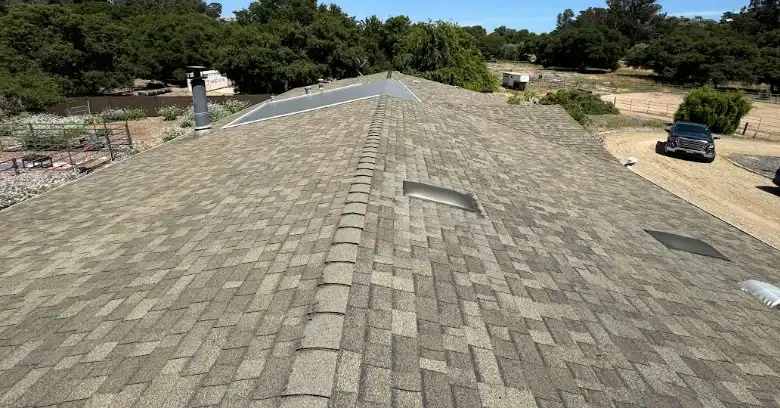
Choosing Architectural Shingle Roof Installations Close to Lompoc California?
Creative Roofing lays asphalt, architectural and designer shingles over carefully prepared decks, across Lompoc California and nearby.
Call 805-723-2381 and we will go over what a shingle roof involves.
What a Shingle Roof Is Made Of
Most roofs on houses here wear shingles built from a glass-fiber core with an asphalt skin, so the whole shingle depends on all of them. Stone granules reflect part of the sun and keep the asphalt from baking, and it pays to think it through.
Three-Tab, Architectural and Designer Lines
The basic strip shingle is a simple product with a simple appearance, and a little care goes a long way. The extra layer adds weight and strength, and the cut pattern breaks up the lines, and the details are worth a closer look. Premium and luxury lines go further, with thicker laminates, deeper shadow lines and designer shapes, so the roof feels more substantial.
Why Sunny Slopes Age First
Heat, ultraviolet light and temperature swings wear the surface steadily, and that is worth keeping in mind. Edges that lift, corners that curl and surfaces that crack all point to age, and the pattern across the roof shows how far the wear has gone.
Picking a Shade That Works in the Sun
Color is a practical decision as much as a matter of taste, and the effect is easiest to see on a hot day. Cool shingle lines are designed to lower roof temperatures without changing the look much, and the difference is most noticeable in the hottest months.
How Shingles Are Laid
The nailing line printed on the shingle marks where fasteners must go for the best grip, and it is easy to overlook. Starter shingles at the bottom edge anchor the first row and keep wind from getting underneath, and crooked rows are a warning. A properly installed ridge looks neat and stays tight against the weather, and the ventilation opening below the cap should stay clear.
How Shingles Resist Wind
The adhesive bond is what keeps tabs flat against the roof in a strong wind, so the two work together. Wind rarely harms a well-sealed roof, but it finds every weak spot on an old one, and a roofer can reseal tabs with a dab of roofing cement.
Air Movement Under the Deck
A hot attic cooks the shingles from underneath, and the damage adds to what the sun does on top, so check that the soffit openings are not blocked by insulation. Adding insulation without maintaining airflow can make an attic hotter in summer, and fixing ventilation is far easier during a re-roof.
Valleys, Walls and Pipes
The shingles shed most of the water, but the underlayment handles the rest, and it pays to think it through. Valley flashing has to be formed correctly and sealed well, or water finds a way in, and a little care goes a long way.
Reading the Roof
Look for lines of shadow where shingles have lifted and for stains inside the house, so take the whole picture into account. A few damaged shingles can often be replaced without touching the rest of the roof, so ask for photographs of the problem areas. Putting money into a failing roof delays the inevitable and may cost more in the end, and a full replacement gives a fresh start.
The Deck Decides What Happens Next
A complete tear-off lets the roofer inspect each sheet of decking and replace any that has been stained, softened or split, and anything hidden gets found at this point. Putting a second layer on a tired roof can trap heat and moisture between the layers and shorten the life of both, and the savings are usually smaller than they seem. Rotted boards and delaminated plywood are usually found around leaks, valleys and plumbing vents, and the cost of a few sheets is rarely large.
What the Site Should Look Like at the End
Protecting the house is part of the work, not an extra, and the plan should say how landscaping and windows will be shielded, so ask how the yard will be protected. Tires and bare feet find stray nails more often than anyone expects, so a thorough pickup at the end is essential, and point out anything that was missed. A new shingle roof sheds a little loose grit in its first months, and some of it ends up in the gutters, and it costs little to keep them clear.
Planning Around Rain and Heat
A roof installed in warm weather bonds sooner than one finished in cool, damp conditions, and that early bond helps in wind, so booking ahead is wise. On a scorching day the surface of a roof becomes too hot to handle, and the asphalt softens enough to mark if walked on carelessly, and the details are worth a closer look.
Openings, Brackets and Penetrations
A re-roof is the right moment to replace worn skylight curbs, chimney flashing and cracked sealant, before they cause trouble, so list everything on the roof when you ask for proposals. Solar panels bolted to a shingle roof have to be removed and reinstalled when the roof is replaced, so the two projects should be planned together, and that is worth keeping in mind.
Blending New Shingles Into an Older Roof
Manufacturers change colors and blends over time, so an exact match for a discontinued shingle may simply not exist anymore, and it pays to think it through.
Carrying Water Away From the House
The roofline is where the roof and the rest of the house meet, and it deserves attention during any replacement, and fixing it now costs less than later.
Questions for a Shingle Roofer
The written scope should list tear-off, deck repair, ventilation and cleanup, so ask for details in writing. Check what happens if damaged sheathing is found once the old roof is off, and compare the replies from each company.
Next Steps for Your Roof
A conversation about Architectural Shingle Roof Installations in Lompoc California usually starts with the age of the current roof, so use 805-723-2381 to set up the next step. Calling before a problem becomes urgent makes it easier to compare materials and schedules, and the first step is just a phone call.
Verified

Verified
Verified
Verified
Verified






















