
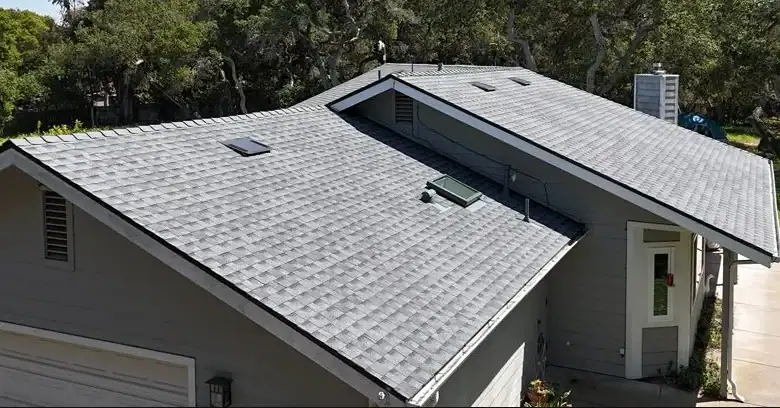
Comparing Asphalt Shingle Roof Services Around Central Coast California?
Creative Roofing installs and repairs the shingle coverings found on most houses in the area, across Central Coast California and nearby.
Ring 805-723-2381 and describe the roof you are weighing.
The Anatomy of an Asphalt Shingle
Most roofs on houses here wear shingles built from a glass-fiber core with an asphalt skin, and each part has a job to do. The granules do more than add color, because they shield the asphalt from ultraviolet light, and the process only gets faster over time.
Shingle Grades Explained
A three-tab shingle has a flat, uniform look and the thinnest profile of any common type, so many homeowners compare it with thicker lines. Dimensional shingles imitate the look of shake or slate at a modest cost, and the thicker body stands up better to sun. Designer shingles are heavier and carefully styled to resemble natural slate or cedar, and the added weight is a benefit in wind.
Heat Is the Slow Enemy
Months of direct sunshine take a toll that the eye picks up slowly, and the effects are visible on the south and west slopes first. Edges that lift, corners that curl and surfaces that crack all point to age, and the pattern across the roof shows how far the wear has gone.
Cool Shingles and Heat Gain
Color is a practical decision as much as a matter of taste, and a sample held up outdoors shows the shade truthfully. A reflective product can ease the burden on air conditioning, and the actual benefit depends on the house.
How Shingles Are Laid
The nailing line printed on the shingle marks where fasteners must go for the best grip, and a crew that cuts corners here causes trouble later. The row at the eave is the most exposed to wind and water, which is why it gets special treatment, and crooked rows are a warning. The cap shingles on a ridge take extra abuse from sun and wind, and it pays to think it through.
Seal Strips and Warm Weather
Heat from the sun is what finishes the job on a new roof, and the nails hold the rest. Edges and ridges are where wind does the most damage, and a prompt repair prevents a leak.
Keeping the Attic Breathing
Airflow under the deck helps a shingle roof reach its full useful life, and it is easy to overlook. More vents is not better, and mixing types can short-circuit the flow, and fixing ventilation is far easier during a re-roof.
Waterproofing Layers and Metal Pieces
The shingles shed most of the water, but the underlayment handles the rest, and it matters most when the roof is open to weather. Every pipe and vent through the deck needs a boot or collar that is sealed and replaced with the roof, and replacing flashing during a re-roof is standard practice.
Spotting Trouble Early
Several signs together point to a roof that needs more than a patch, and early action keeps choices open. A few damaged shingles can often be replaced without touching the rest of the roof, and a good roofer will tell you when a repair is enough. When the whole roof is brittle, curling and shedding granules, repairs become a losing game, and the new roof will perform better than a patched old one.
Stripping Down Before Building Up
A complete tear-off lets the roofer inspect each sheet of decking and replace any that has been stained, softened or split, and it pays to think it through. Putting a second layer on a tired roof can trap heat and moisture between the layers and shorten the life of both, and a little care goes a long way. Rotted boards and delaminated plywood are usually found around leaks, valleys and plumbing vents, and the details are worth a closer look.
What the Site Should Look Like at the End
Protecting the house is part of the work, not an extra, and the plan should say how landscaping and windows will be shielded, so ask how the yard will be protected. A professional crew checks the ground more than once, including the gutters, where granules and nails often collect, and that is worth keeping in mind. A new shingle roof sheds a little loose grit in its first months, and some of it ends up in the gutters, and it pays to think it through.
Choosing the Right Season for Shingles
Asphalt shingles seal themselves down with heat from the sun, so warm, dry days produce the best bond and the neatest finish, and the calendar is only part of the question. Very hot afternoons can scuff new shingles underfoot and make nails harder to drive cleanly, so many crews start at dawn in midsummer, and the schedule bends to the weather.
Rooftop Additions and Shingle Work
A re-roof is the right moment to replace worn skylight curbs, chimney flashing and cracked sealant, before they cause trouble, and mention any plans to add more later. Solar panels bolted to a shingle roof have to be removed and reinstalled when the roof is replaced, so the two projects should be planned together, and a little planning saves a lot of expense.
Matching Shingles After a Repair
Older shingles lose color and granules in the sun, so a few fresh ones will stand out until the surrounding roof catches up, and a small color difference is not a defect.
Where Shingles End and Gutters Begin
Metal edging installed under the underlayment at the eave and over it at the rake is the correct order, and it makes a visible difference to the durability of the edge, and ask the roofer to flag any rot.
Apples to Apples
Specific wording is the best protection against surprises, and the details are worth a closer look. Find out how the crew will protect the house and landscaping during the work, and the answers are worth writing down.
Start the Conversation
Those comparing Asphalt Shingle Roof Services in Central Coast California can reach us by phone, with 805-723-2381 ready whenever you want to talk. Calling before a problem becomes urgent makes it easier to compare materials and schedules, and we are glad to help you sort it out.






















